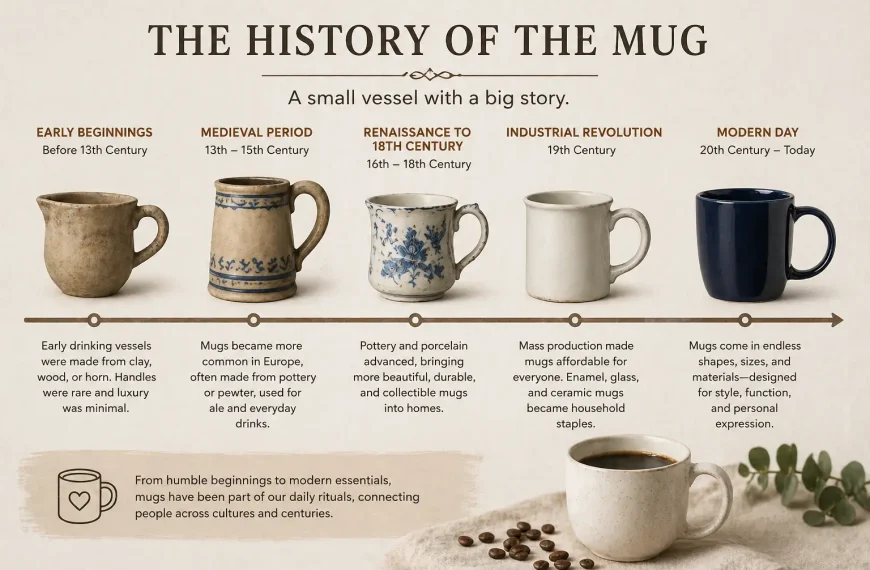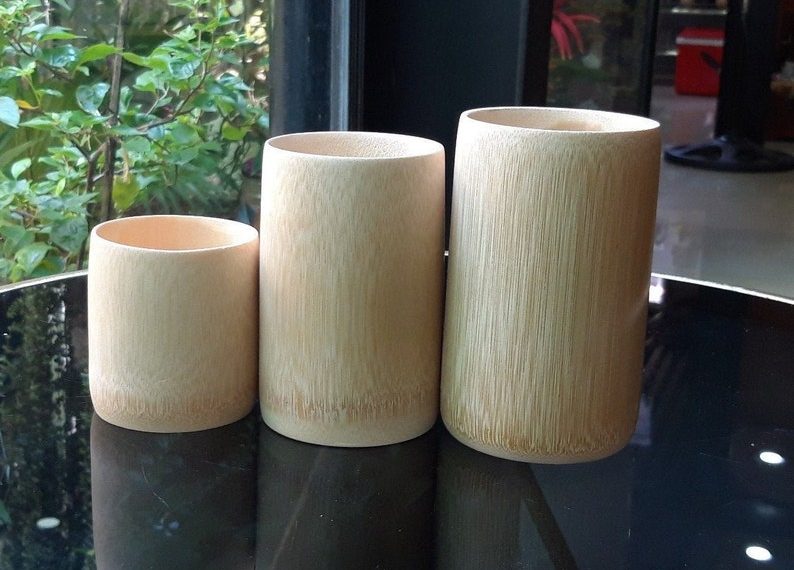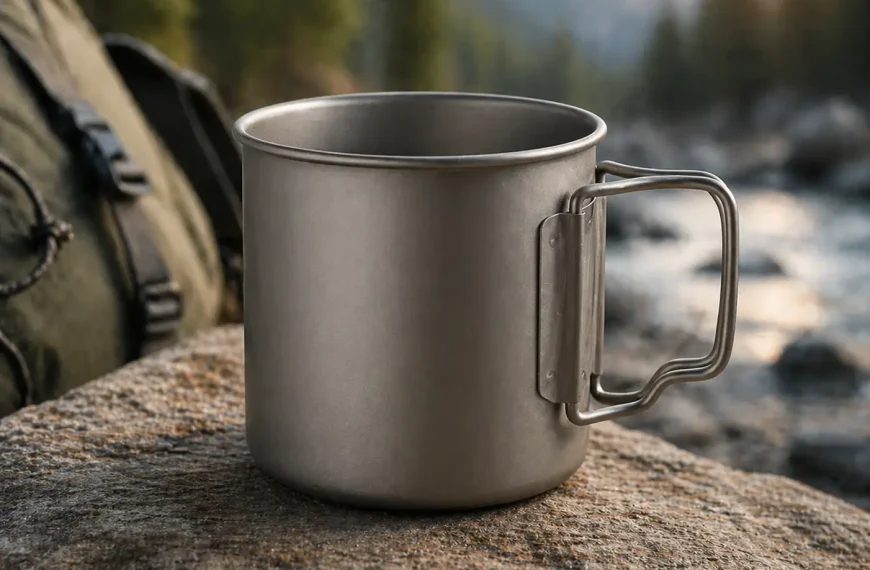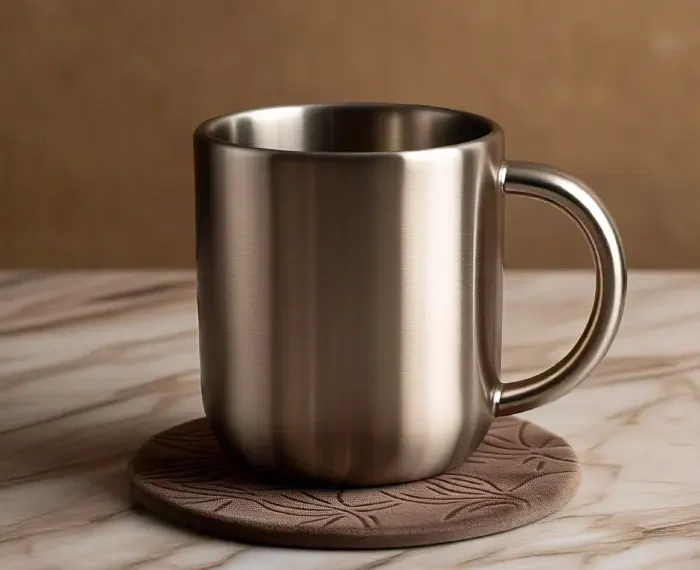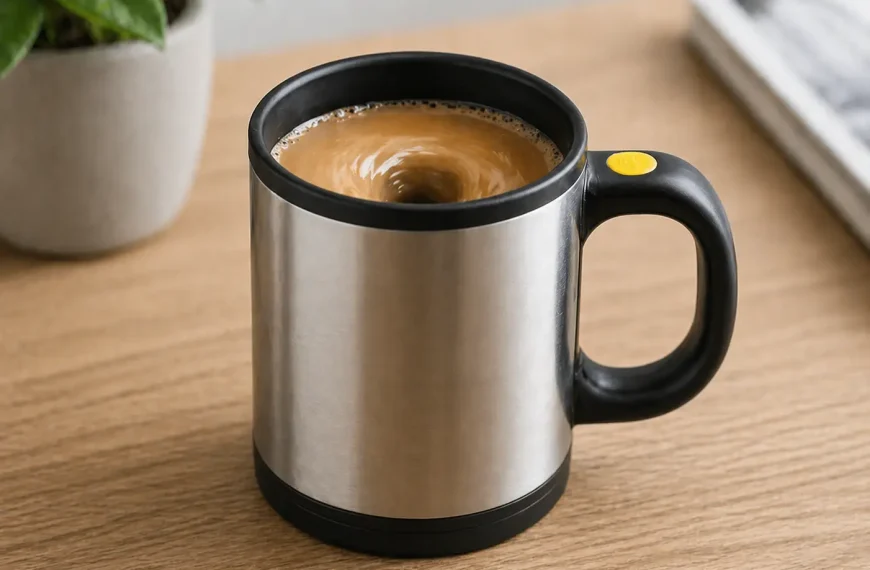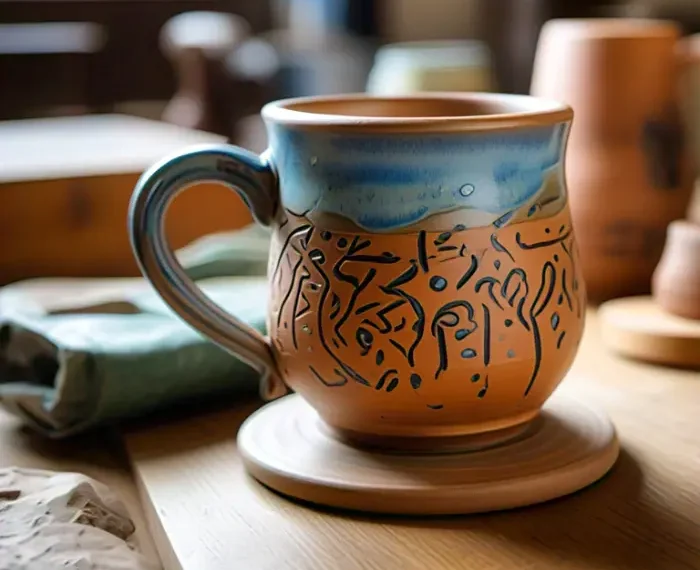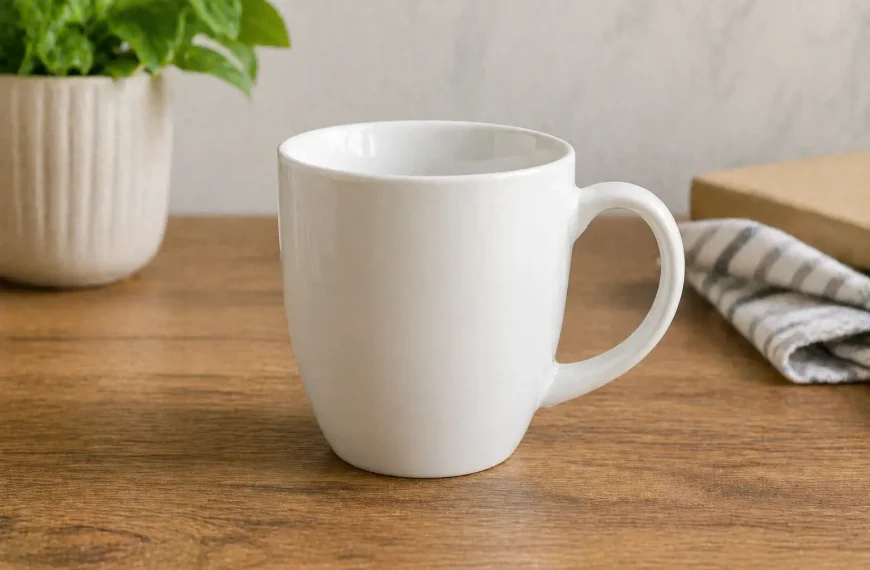

Mug use cases extend beyond daily hydration to include gifting, brand marketing, and special occasions. In office, travel, and commuting settings, “mug use cases” means the functional application of a cylindrical drinking vessel across domestic, professional, and mobile environments. The mug’s handle, thermal mass, and volume support a wide set of outcomes: brewing and serving hot or cold drinks, portioned microwave meals, desk and bathroom organisation, and “second-life” repurposing for crafts, planters, and candles. In reuse-heavy routines, the mug also becomes an environmental and hygiene object: a life cycle summary commissioned by RECYC-QUÉBEC reports ceramic mugs can have lower potential environmental impact than paper cups with lids when used at least 200–300 times, and notes travel-mug impacts are strongly influenced by hand-washing.
Real-world behaviour studies tie these routines to measurable changes in workplaces and campuses: a field study ran across 12 university and business sites over 5 weeks, testing simple measures (messaging, providing reusable options, and a disposable-cup charge) and reporting increased reusable-cup use without reducing total hot-drink sales. And because everyday use often includes shared kitchens and repeated cleaning, hygiene becomes part of the “use case” too; American Society for Microbiology reports experiments where common foodborne bacteria survived up to 16 days on sponges used in foodservice-style cleaning contexts.
Taken together, these patterns frame mugs as tools for beverages, single-serve food, organisation, creativity, gifting, and even social media aesthetics, with reuse and cleaning shaping the real-world outcomes. This diversity of practical application is what grounds the social significance and historical longevity discussed throughout our Usage & Culture collection. The full utility becomes clearest by starting with the functional applications that exist outside traditional beverage consumption. (ASM.org)
What can you use a coffee mug for besides drinking?
A coffee mug is used for three practical buckets beyond drinking: culinary single-serves, organisational storage, and creative reuse. A “mug” is defined as a large cup with a handle, which is the core reason it tends to do more “jobs” than smaller handleless cups in kitchens, offices, and on the move. (Cambridge Dictionary)
There are 3 main categories of non-drinking use cases:
- Culinary
- Organisational
- Creative
How are mugs used for beverages, brewing, and home-barista routines?
Mugs are used for beverage routines because their depth, heat tolerance (in common ceramics), and stable base support brewing, mixing, and temperature management at home and at desks. A real-world field study tracking daily hot-drink sales across 12 café and university sites found the share of hot drinks served in reusable cups rose from 3.3% to 7.6% after interventions such as environmental messaging, reusable options, and incentives, showing that “bring-and-use” mug behaviour is measurable and moveable in everyday settings.
For environmental impact, Recyc-Québec’s LCA summary reports that ceramic mugs show a smaller potential environmental impact than paper cups with lids when used at least 200–300 times, which connects routine “on-site mug use” to long-run waste reduction.

How are mugs used for coffee, tea steeping, and seasonal hot drinks?
Mugs are used for tea steeping and hot drinks because their depth keeps tea bags or infusers fully submerged and their handle keeps fingers away from heat. Tea steeping works cleanly in a mug because the bag or infuser sits below the rim without folding or floating out. Seasonal hot drinks commonly served in mugs include eggnog-style warm drinks and hot toddies, because the mug’s thermal mass slows heat loss while the handle improves grip.
How are mugs used for cold drinks, iced tea brewing, and water?
Mugs are used for cold drinks at desks and at home because their wide base resists tipping and their volume supports longer sipping windows. Flash-chilled iced tea brewing fits a mug because tea can be brewed hot in the mug and immediately poured over ice, keeping the process simple and contained. For water at work, a mug acts as a stable hydration cup that stays in one “home position” on a desk without rolling or sliding.
How are mugs used for beer, cocktails, and hot toddies?
Mugs are used for beer and cocktails because thick walls and a sturdy base support mixed drinks, foamy pours, and warm alcoholic beverages. Beer steins and mug-style beer vessels are commonly made in sizes around 500 ml or more, which suits slow sipping and head retention.
For cocktails, a well-known example is the Moscow Mule, which is strongly associated with being served in a copper mug.
How are mugs used as milk frothing vessels and for coffee tasting?
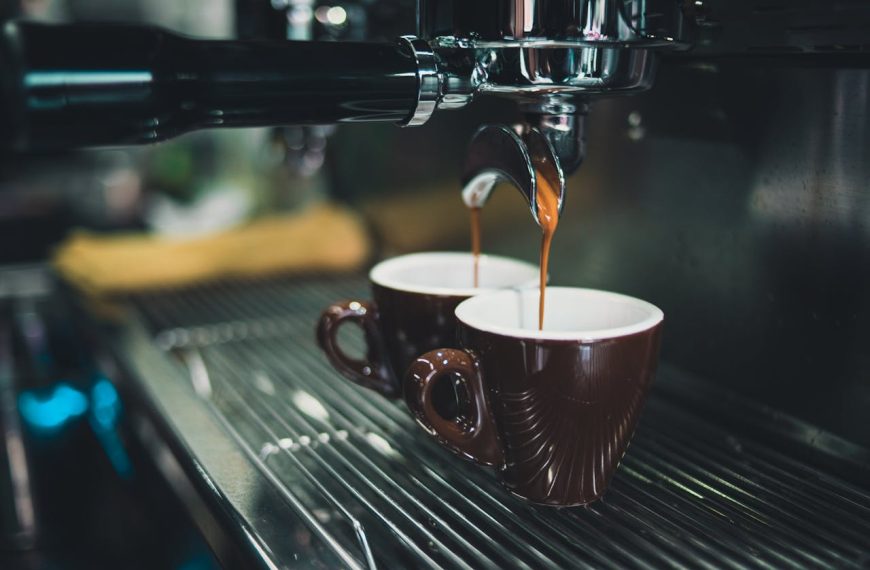
Mugs are used as “catch” vessels because they can sit under a home espresso spout to catch shots cleanly, then become the serving cup without extra transfers. For milk prep, a mug can function as a temporary steaming or mixing vessel when a dedicated pitcher is not available, as long as the volume leaves headspace to prevent overflow. For tasting, professional cupping uses standardised cups or bowls, but mugs still work as a practical sampling set at home because identical vessels make side-by-side comparison easier.
What can you make in a mug besides mug cake? (Culinary Use Cases)
A mug is used for mug-based meals because it supports single-serving portions that are quick to heat, easy to eat from, and easy to carry from kitchen to desk. The “one vessel” format reduces cleanup and keeps portion size consistent. The handle also matters in microwave routines because it provides a safe grip point when the food is hot.
How are mugs used for soup serving, instant noodles, and microwave meals?
Mugs are used for microwave cooking because they act like a small, deep bowl that can heat and serve in the same container. Mug meals include reheating leftovers, making instant noodles in dorms or offices, and serving soup starters without needing a full bowl. The handle becomes a built-in safety feature for lifting hot food from the microwave without grabbing the heated body.
How are mugs used for ice cream, cereal, and snacks?
Mugs are used for desserts and snacks because their depth keeps small servings contained and their handle gives a controlled grip for kids and for walking around the house. Snack use cases include yoghurt with fruit, cereal portions, and snack cups for children where the handle reduces spill risk by giving a second grip point. For ice cream, the mug’s shape functions like a deep dessert bowl that slows dripping and keeps toppings in one place.
Can you use a mug as a measuring cup or for kitchen prep?
A mug is used as a rough measuring guide when precision is not required and the goal is quick portioning. Many everyday mugs fall in the 8–12 ounce range, so a familiar mug can serve as a repeatable “house measure” for water, cereal portions, or mixing ingredients.
In prep work, mugs also function as staging containers for sugar, salt, spices, and small ingredients during cooking because they keep items upright and reachable without cluttering a counter.
What are the best ways to use a mug as a desk organiser?
A mug is used as a desk organiser because it provides vertical storage that saves surface space on crowded desks. This use case is common in offices because mugs are already present as drinkware and can be repurposed instantly. The weight of ceramic also helps keep small items from tipping the container.
How are mugs used as pen holders and for small desk tools?
Mugs are used as pen holders because they can hold tall items upright while staying stable even when loaded. They store pens, pencils, scissors, letter openers, and other small tools without needing a dedicated organiser. A logo or personalised mug also functions as a visible identity object on a desk, which is why branded mugs often stay on workstations long after the drink is finished.
How are mugs used to manage USB sticks and tiny tech accessories?
Mugs are used as tech catch-alls because an open-top container prevents small parts from disappearing into drawers and bags. They store USB sticks, dongles, adapters, spare ear tips, webcam covers, and short cables in one “drop zone.” This reduces loss by creating a single consistent location for tiny items that otherwise scatter across a desk.
What are practical ways to use mugs for home storage and bathroom organization?
Mugs are used for home storage because they are durable containers that look intentional on shelves, counters, and bedside tables. In bathrooms, bedrooms, and entryways, they act as small “bins” that are easy to rinse and reposition. This is especially useful in small homes where every flat surface becomes multipurpose.
How are mugs used as toothbrush holders and bathroom organizers?
Mugs are used as toothbrush holders because ceramic is easy to wash and the mug’s base resists tipping compared with light plastic cups. They hold toothbrushes, toothpaste, razors, combs, and makeup brushes in one upright cluster. A dedicated mug for bathroom tools also reduces countertop clutter by keeping items vertical instead of spread flat.
How are mugs used as coin banks, key bowls, and jewelry catch-alls?
Mugs are used as landing zones because their high sides stop small items from sliding away. Entryway use cases include holding keys, coins, and pocket items at the end of the day. Nightstand use cases include holding rings, watches, and earbuds so they do not vanish into bedding or fall behind furniture.
How are mugs used as pet water bowls and aquarium ornaments?
Heavy mugs are used as small-pet water bowls because weight reduces tipping for small animals that push or climb near the rim. For aquariums, clean and food-safe ceramic mugs can be used as simple hides or decor pieces when the glaze is intact and the mug is cleaned thoroughly, because the structure creates a small sheltered space.
What are creative ways to reuse and repurpose old coffee mugs?
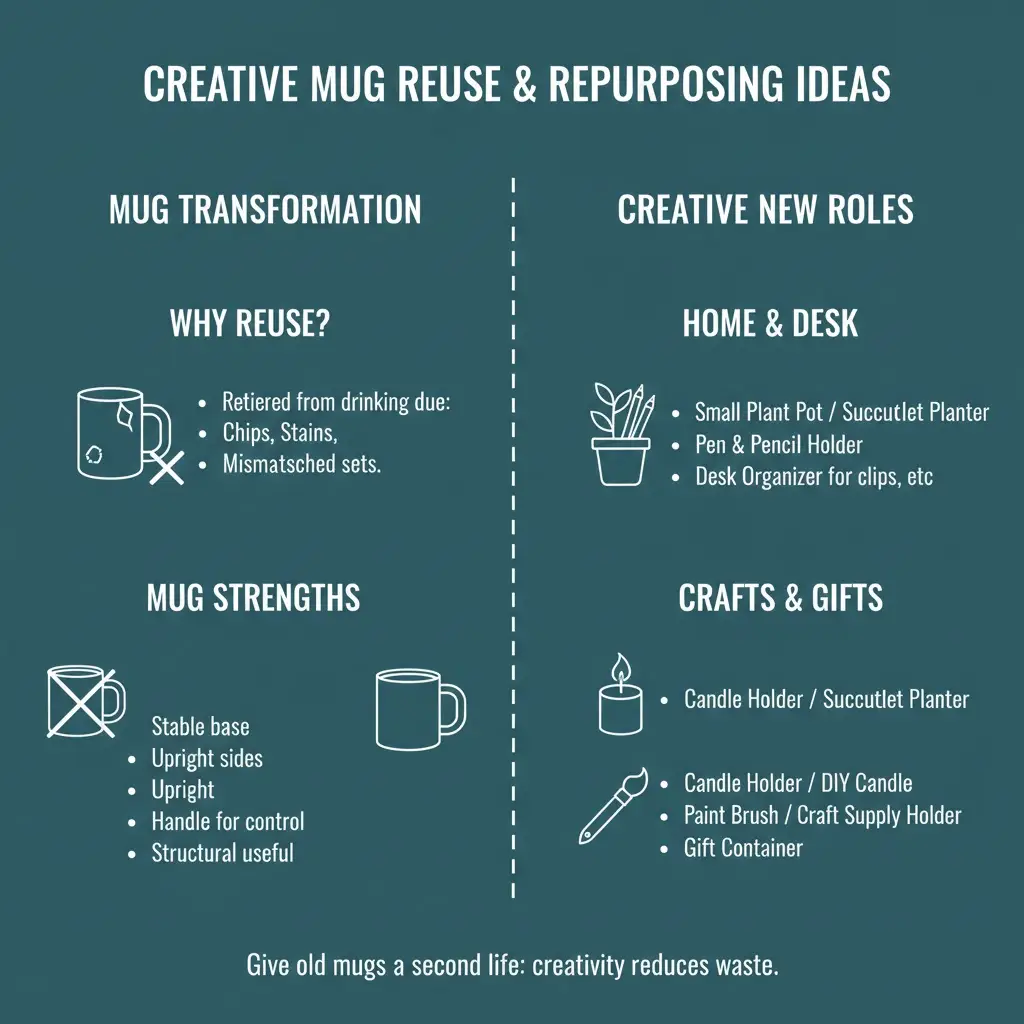
Old mugs are reused because the object often becomes “retired” from drinking duty long before it becomes structurally useless. Chips, stains, or mismatched sets usually push a mug into a second-life role rather than the bin. Creative reuse works best when the new role matches the mug’s strengths: stable base, upright sides, and a handle for controlled movement.
How are mugs used as paint cups and craft supply holders?
Mugs are used in crafts because they hold liquids and small parts without tipping easily. Paint-water use is practical because the handle lets the cup be moved safely without sloshing, which matters when rinsing brushes between colours. For storage, mugs hold beads, stickers, sewing notions, clips, and small tools in a way that keeps items visible and reachable.
Can you turn an old mug into a planter or a flower vase?
A mug is used as a mini planter or vase because it supports short-stemmed blooms and small plants with a stable footprint. For flowers, the mug suits cut stems that do not need a tall neck to stand upright. For planters without drainage holes, there are 2 reliable approaches:
- Use a nursery pot insert inside the mug so water drains within the insert rather than pooling against roots.
- Use a gravel layer as a base buffer and water lightly so moisture does not accumulate.
Can you make a candle in a coffee mug?
A mug is used as a candle container because it can hold wax securely and present a finished candle without extra packaging. Candle-making in a mug follows a simple sequence: fix a wick, pour melted wax into the mug, then allow it to set. Small mugs also work as tea-light holders, especially when the goal is to keep a flame contained and stable on a table.
How are mugs used for gifting, marketing, and special occasions?
Mugs are used as gifts and promotional objects because they combine daily utility with high visibility and a large printable surface for names, dates, or logos. In a behaviour-change intervention study evaluating reusable-cup adoption, 156 participants completed surveys and the intervention was reported to successfully increase participants’ reusable cup use, linking “gifted or provided cups” and workplace routines to measurable changes in behaviour.
This is why mugs show up repeatedly in birthdays, anniversaries, workplace events, and corporate onboarding packs. (PubMed)
How are personalized mugs used as keepsakes and corporate gifts?
Personalised mugs are used as keepsakes because the mug acts as a message carrier that is seen during routine use. Common keepsake formats include photo mugs, parent mugs, teacher gifts, and quote mugs that place a short message in a daily ritual. In offices, team mugs are used for morale and identity because the object sits in public view and is used repeatedly, not stored away like many gifts.
How are mugs used as promotional merchandise and souvenirs?
Branded mugs are used as promotional merchandise because they stay on desks and in cupboards for long periods, keeping a logo visible in daily life. Souvenir mugs are used either as drinkware or as display pieces depending on practicality: highly decorative shapes and fragile finishes tend to be displayed, while sturdy, dishwasher-safe mugs tend to be used. Mugs are also used in fundraising and auctions because they are low-cost to produce at scale and easy to bundle with other small gifts.
How are mugs used to create social media content and viral trends?
Mugs are used in social media content because they are highly recognisable props in “daily routine” clips and close-up beverage preparation shots. Coffee-making videos often focus on the sound and rhythm of brewing, pouring, and stirring, and the mug becomes the central frame object. Visually distinctive mug shapes and seasonal designs also become repeatable trend items because they are easy for creators to show, compare, and collect.
How do these use cases define our relationship with the humble mug?
These use cases define the mug as a utility object whose value comes from function, not just capacity. The same physical traits that make a mug good for coffee also make it good for organisation, portion control, and gifting because the shape is stable, the sides are upright, and the handle improves control. Choosing the right mug type becomes a matching exercise: travel and insulated mugs for commuting, sturdy ceramic for desks and kitchens, and statement designs for gifting and display.
How do hygiene risks and cleaning routines change when you reuse mugs at work and on the go?
Hygiene risks rise with reuse because residue, moisture, and shared cleaning tools create conditions where microbes persist if cleaning is inconsistent. The practical solution is not complicated, but it must be structured: wash properly, disassemble lids where relevant, and dry fully between uses. This matters most in offices and commuting contexts because cups and lids often sit closed for hours.
What do studies on office mugs and shared sponges suggest about contamination risk?
Studies show shared sponges are credible contamination vectors, which directly affects office kitchens where the same sponge touches many people’s mugs. Research presented at ASM Microbe reported that E. coli, Salmonella, and Staphylococcus aureus survived up to 16 days on a kitchen sponge in tested conditions, which supports a strict “no shared sponge” rule for personal drinkware.
A separate study on used dishwashing sponges and brushes found extremely high bacterial levels in real consumer items, including a median 10.3 log cfu per item in one sponge sample set, reinforcing that reusable drinkware is only as clean as the tools used to clean it. (PMC)
What parts of travel mugs trap residue (lid, gasket, sliding seals) and how often should they be cleaned?
Travel mugs trap residue in the lid system because seals and sliding parts create narrow gaps that hold moisture and sugars. Manufacturers explicitly instruct users to remove lid gaskets for thorough cleaning, which signals that the gasket groove is a primary residue trap, not a minor detail.
Reusable bottle research also links contamination levels to cleaning behaviours and design complexity, which supports treating lids and seals as “must-disassemble” parts rather than quick-rinse parts.
Practical cleaning and drying protocol for commuting and shared kitchens (soap contact time, hot-water rinse, full air-dry).
A practical commuting protocol has 5 steps that fit real life and reduce missed spots:
- Wash with dish soap and friction on all interior surfaces.
- Disassemble lids and remove gaskets so hidden grooves are exposed.
- Rinse with hot water to remove detergent and loosen remaining residue.
- Air-dry fully, parts separated, because moisture left under seals supports persistence and odour.
- Avoid shared sponges in office kitchens, because sponge survival data supports treating them as high-risk tools for personal drinkware.
The mug, defined by what it does
A mug earns its place in daily life because it switches roles cleanly when the environment changes. At a desk it becomes a stable drink and an organiser, on the move it becomes a portable routine, and at home it becomes a single-serve bowl, a storage cup, or a gift container. The most practical choice involves matching these environment-based roles to the technical standards defined for all mugs.