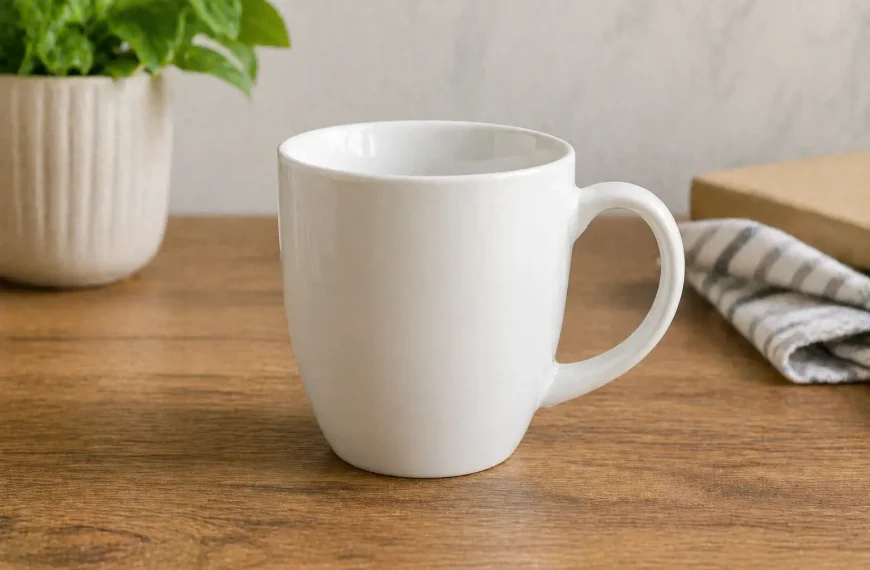

A mug handle is a structural interface attached to a drinking mug that defines how the vessel is held, lifted, and stabilised during use, primarily by separating the hand from the hottest exterior surfaces while providing a controlled grip for movement. As a core component within the mug, the handle is not decorative; it directly determines how heat, force, and balance are managed in everyday drinking conditions.
In practical use, mug handles operate across three connected performance roles: thermal isolation, grip control, and ergonomic comfort. They reduce direct heat transfer to the hand during high-temperature use, convert a friction-dependent wrap grip into a more stable hooked finger grip, and redistribute load when lifting heavier, larger-capacity mugs. These functions are not uniform across all designs, because handle performance depends on measurable variables such as geometry, clearance, and placement relative to the mug’s centre of mass. As a result, the same mug body behaves differently depending on whether its handle supports one-finger, two-finger, or full multi-finger engagement, and whether it accommodates different hand sizes or reduced grip strength conditions such as arthritis.
At the design level, these functional outcomes are implemented through repeatable handle forms and construction choices. Common silhouettes such as C-handles, D-handles, and loop handles are used to manage finger clearance, wrist angle, and force distribution, while features like thumb-rests refine grip stability by reducing pinch demand. At the same time, material selection and manufacturing methods influence how handles behave under heat and stress, including cases where handles warm during microwave use due to moisture retention or thermal conduction through the mug body.
The geometry and attachment method of these grips represent a vital mechanical branch within the documentation of mug features that dictate user ergonomics. To understand how these forms function in practice, one must first define the fundamental structure of a mug handle.
What is a mug handle?
A mug handle is an external gripping interface attached to the vessel wall that allows the hand to lift, stabilise, and control the mug with reduced direct contact with the hottest body surfaces. Functionally, it shifts the grip from a friction-based wrap around the mug body to a defined contact point that supports controlled lifting and tilt-to-sip movement. The most useful boundary is functional: a mug handle exists to provide thermal isolation and mechanical leverage during repeated handling of hot or warm beverages, improving stability and reducing the effort required to maintain balance over time.
What is the functional definition of a mug handle?
A mug handle is an attachment that provides thermal isolation and mechanical leverage for lifting, carrying, and tilt-to-sip control. Common names include “handle,” and in ceramics contexts it is also described as an “ear” or “loop” depending on the shape and attachment style. Functionally, the handle shifts the grip from a friction-based wrap around the hot body to a hooked or semi-hooked finger grip that reduces palm contact and improves stability.
When is a “lip” or “grip ring” treated as a handle alternative?
A “lip” or flared rim functions as a handle alternative when it provides a repeatable lifting edge that the fingers can pinch without slipping. A grip ring is treated as a handle alternative when it adds a dedicated high-friction band or raised geometry that gives the hand a predictable contact zone, common on travel shapes and on mugs paired with silicone sleeves. Both solutions try to achieve one handle goal without a protruding handle: they create a controlled interface for force transfer from hand to mug.
Who invented the mug handle?
There is no single documented inventor of the mug handle; instead, it emerged gradually as part of vessel evolution in response to hotter beverages and changes in drinking habits. Archaeological evidence shows handled drinking vessels appearing in ancient civilisations such as Greece and Rome, where pottery and metal cups were adapted with side attachments to improve handling of heated liquids. Over time, as ceramic production advanced in Europe and Asia, the handle became a standardised feature of mugs used for coffee, tea, and other hot drinks, reflecting a practical solution rather than a discrete invention event.
Does a mug have to have a handle?
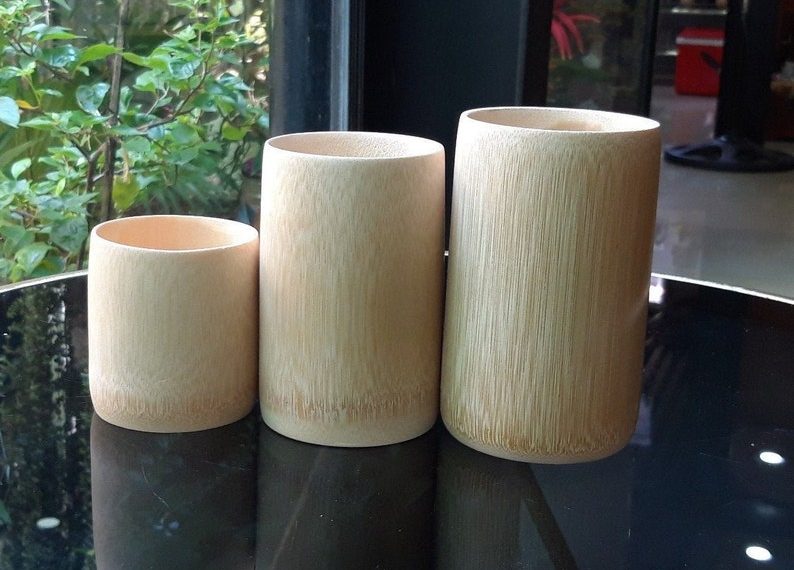
A mug does not have to have a handle to function as a mug, provided it maintains the defining use conditions of mug-type drinking: repeated handling of warm or hot beverages over time. The handle is a design solution, not a requirement, used to improve thermal isolation and grip control. In many cultural and functional contexts, handleless forms – such as Japanese tea cups or modern double-wall mugs – serve the same purpose through alternative means like wall thickness, insulation, or two-hand cradling, showing that the presence of a handle is optional rather than essential.
Why do some mugs have handles in the first place?
Handles exist because hot liquids and heavy fills create a combined problem of heat contact and torque control that a plain wrap-grip solves poorly. As mugs became thicker-walled and larger in capacity than tea cups, the handle became the simplest way to keep the hand away from the hottest exterior and to maintain a stable “tilt-to-sip” motion. Handles also give a consistent carry method for coffee, tea, cocoa, and soup when the mug is moved between surfaces.
How does a handle reduce heat transfer to the hand?
A handle reduces hand heating by breaking the most direct conduction path between the hot liquid-warmed wall and the skin and by lowering the contact area of the palm against the mug body. NASA’s touch-temperature work highlights why this matters in real use: pain threshold is reported around 43–46°C skin temperature in the reference data, which is reached faster when skin contacts higher-conductance surfaces or larger contact areas. (NASA) That supports the basic handle logic: even if the mug wall is hot, a smaller, more isolated contact interface delays skin heating and makes handling safer for longer holds.
Do double-wall mugs make handles less necessary?
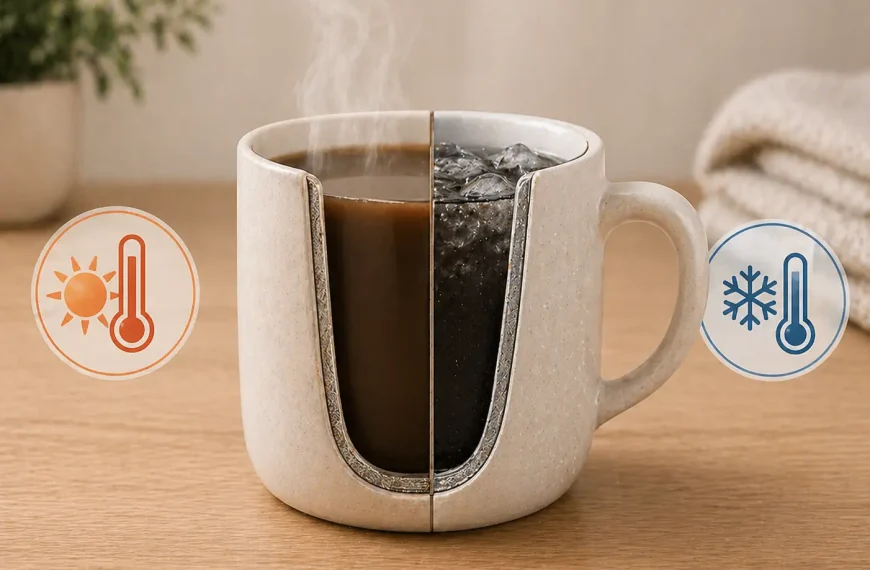
Double-wall mugs make handles less necessary by reducing the heat that reaches the outer wall through an insulating gap between inner and outer layers. In practice, the user feels a cooler exterior, which allows a wrap-grip without immediate discomfort, especially for shorter holds. This design shifts the decision away from “handle needed for heat” and toward “handle needed for control,” because even with a cooler wall, the handle still changes stability, carry behaviour, and torque control.

How does a handle improve grip stability and spill control?
A handle improves stability because it converts the grip into a hooked finger grip that resists rotation and slip without depending entirely on surface friction. A wrap-grip depends on the coefficient of friction between skin and glaze and on the user’s ability to maintain squeeze force while the mug’s centre of mass shifts during sipping. A handle lets the fingers “lock in” and stabilise the mug through a lever-like hold, so small bumps, a wet exterior, or a heavy fill are less likely to cause rotation and a spill.
How does a handle change comfort for heavier, larger-capacity mugs?
A handle changes comfort by redistributing load across finger joints and reducing the wrist torque needed to keep the mug level. A wrap-grip asks the wrist and forearm to oppose rotation while also maintaining squeeze force, which becomes more demanding as the mug gets heavier or more top-heavy. A handle lets the user lift with the fingers and stabilise with the thumb, which usually reduces the “pinch plus wrap” strain pattern that shows up when a mug is full.
What are the main handle styles and shapes used on mugs?
Mug handle styles are repeatable silhouettes that control finger clearance, wrist angle, and how force is applied during lift and sip. Three handle families cover most modern mugs:
- C-handle family: rounded arc shapes that fit a wide range of hands.
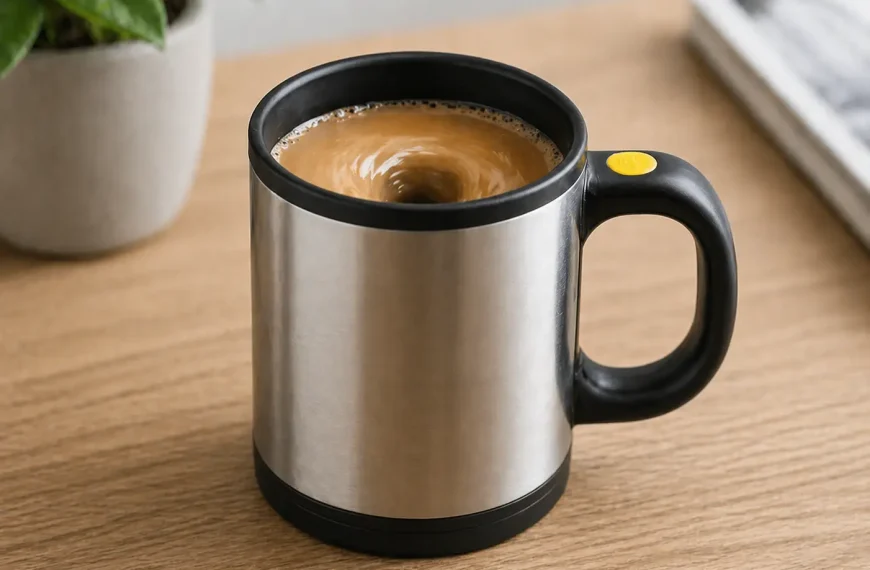
- D-handle family: straighter outer edge with more interior space, often preferred for larger hands or gloves.
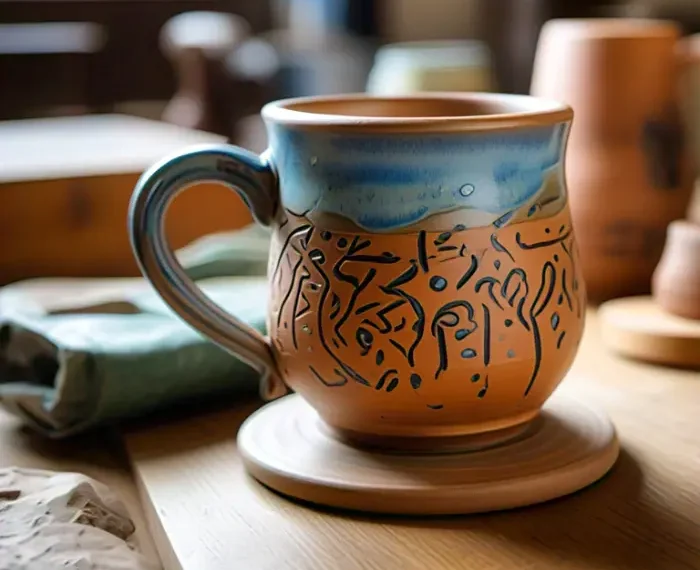
- Loop and open-loop family: pottery-style loops that emphasise strength and visual continuity with the body.
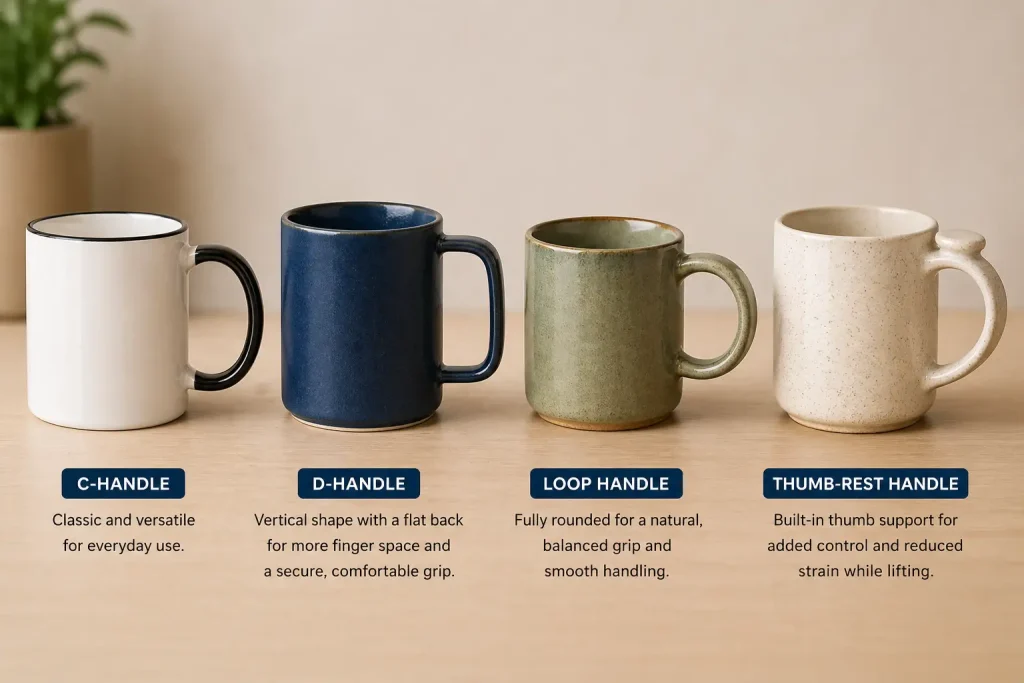
What is a C-handle, D-handle, or Loop handle and when are they most comfortable?
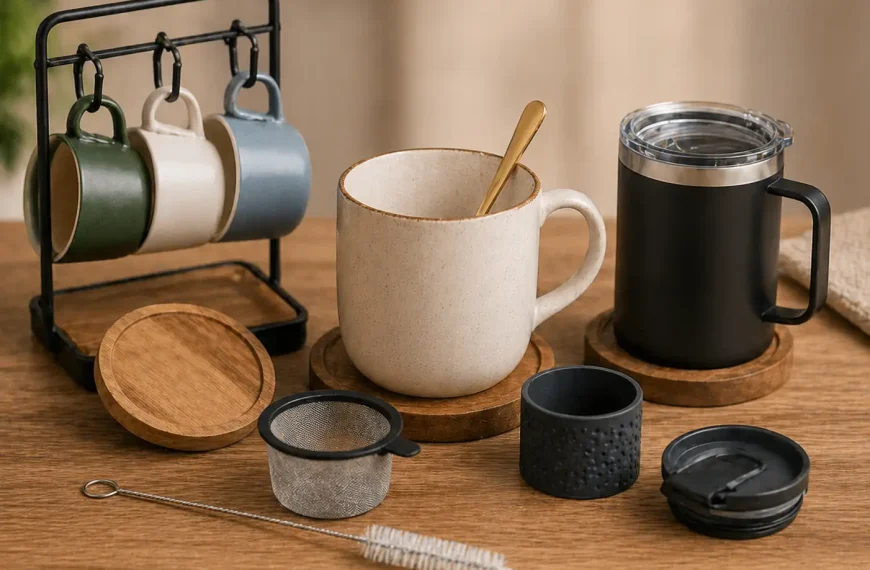
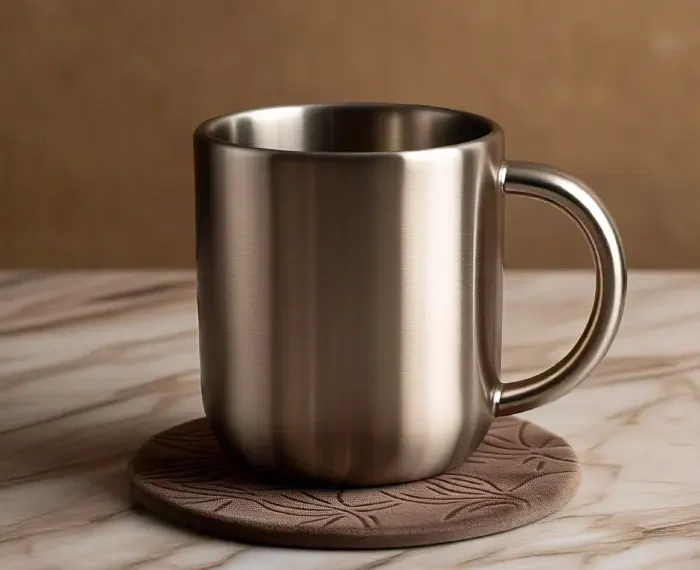
A C-handle is a rounded arc that supports a neutral finger hook and is the most universal for everyday mugs. A D-handle is more squared with greater interior clearance, which helps when the user wants more room for fingers or uses gloves. A loop handle is typically a continuous loop that can be strong and visually cohesive, but it can feel less comfortable if the contact surface is narrow or if the interior space forces the fingers into a tight curve.
What is a thumb-rest on a mug handle, and does it help?
A thumb-rest is a shaped platform or ridge that provides a stable counter-pressure point for the thumb during lift and sip. It helps by reducing the pinch force needed to stabilise the mug, since the thumb presses into a defined stop rather than sliding on a rounded handle surface. A thumb-rest also improves repeatability because the hand lands in the same position each time.
How do handle geometry and dimensions affect ergonomic comfort?
Ergonomic handle geometry is the measurable relationship between clearance, grip span, and the forces required to hold and tilt the mug safely. A useful way to think about comfort is that the handle must fit the user’s grip span in a range that preserves strength and reduces strain. In a controlled grip-span experiment on handle design, researchers tested five grip spans from 45 to 65 mm and evaluated effects on finger-specific force, maximum grip strength, and comfort ratings. That range supports a practical design principle: when a handle forces an unusually narrow or wide grip span, users compensate with higher pinch force and reduced control. (PubMed)
What clearance is needed for one-finger, two-finger, and three-finger grips?
Handle clearance is the interior space that determines how many fingers can engage without crowding or knuckle pressure. Three grip patterns cover most real use:
- One-finger grip: works for short carries and lighter mugs, but it concentrates load and increases tipping risk as weight increases.
- Two-finger grip: balances control and comfort for many standard mugs because it spreads load across two fingers and allows thumb stabilisation.
- Three-finger grip: improves control for heavier mugs by spreading load and reducing local pressure points, provided the clearance allows natural finger curvature.
How do you choose a mug handle for large hands vs. small hands?
Handle choice is mainly about preventing crowding for large hands and preventing over-reach for small hands. Large hands usually benefit from D-handles or larger C-handles because they provide more interior clearance and reduce knuckle rub against the mug body. Small hands usually benefit from standard C-handles that keep the grip compact and reduce the need to stretch the fingers outward to reach a wide handle.
Which handle designs support limited grip strength or arthritis?
Arthritis-friendly handles reduce pinch force demand and improve stability without requiring tight finger flexion. Three design features are consistently practical for limited grip strength:
- Large loop or open-bottom handles: allow the hand to slip through and share load across the palm, not just the fingertips.
- Thicker handle cross-sections: reduce local pressure and make the handle feel more stable in the hand.
- Thumb-rest or pronounced stop points: reduce micro-adjustments and improve repeatable placement.
How does handle placement change balance, torque, and tipping risk?
Handle placement controls torque because it defines where the lifting force is applied relative to the mug’s centre of mass. A handle placed too high or too low shifts the mug’s rotation tendency during lift, which can make the mug “pull” against the wrist and increase spill risk during the tilt-to-sip motion. Good placement keeps the mug level through lift, then predictable through tilt.
What is the best handle placement on a mug for balance and comfort?
The best handle placement aligns the handle’s main grip zone near the mug’s balance point so the mug stays close to level when lifted. Placement that is centred or slightly above the midline usually reduces wrist correction during the first second of lift because the mug does not nose-dive forward. A stable lift reduces the small corrective motions that often cause slosh and drips at the rim.
Are handled mugs more likely to tip or catch in the dishwasher?
Handled mugs are more likely to catch because the handle acts as a hook point that can snag on other items or on rack geometry. In a dishwasher rack, handles can collide with bowls, glasses, and utensils during loading and unloading, increasing chip risk at the handle join and rim. Handleless mugs are simpler shapes that tend to load and nest with fewer collision points.
How do mug handles affect compatibility with car cup holders and drink carriers?
Handle compatibility is a fit problem between the mug’s widest profile and the fixed geometry of cup holders and carriers. A protruding handle can prevent full seating in a narrow cup holder, can force the mug to sit at an angle, and can interfere with neighbouring cup slots in multi-cup carriers. Handleless tumblers usually fit more consistently because their outer diameter is closer to a cylinder.
What are typical cup-holder and takeaway-cup dimensions, and why do handles interfere?
Cup holders and drink carriers constrain the mug by diameter and by the width of the supporting ring or slot. Handles interfere because they add a lateral protrusion that can collide with the holder wall before the mug body reaches the seating depth. The result is common: the mug feels “stable” at first but shifts during turns because it is not seated fully.
When does a handle help carry security vs. make fitting or stowing worse (car, stroller, cinema seats)?
A handle helps when the mug is carried by hand between surfaces because it improves grip security and reduces slip risk. A handle makes fitting worse when the mug must sit in a tight circular holder, when it must slide into a backpack pocket, or when it must share a drink carrier slot with other cups. In confined environments, the handle becomes a geometry conflict more than a comfort feature.
Practical solutions: handle orientation and handleless alternatives
Practical solutions reduce interference without losing comfort. Three reliable approaches cover most cases:
- Rotate the handle away from obstacles: orient the handle toward open space in the holder area.
- Choose a smaller-handle or low-profile handle: compact handles reduce collision risk.
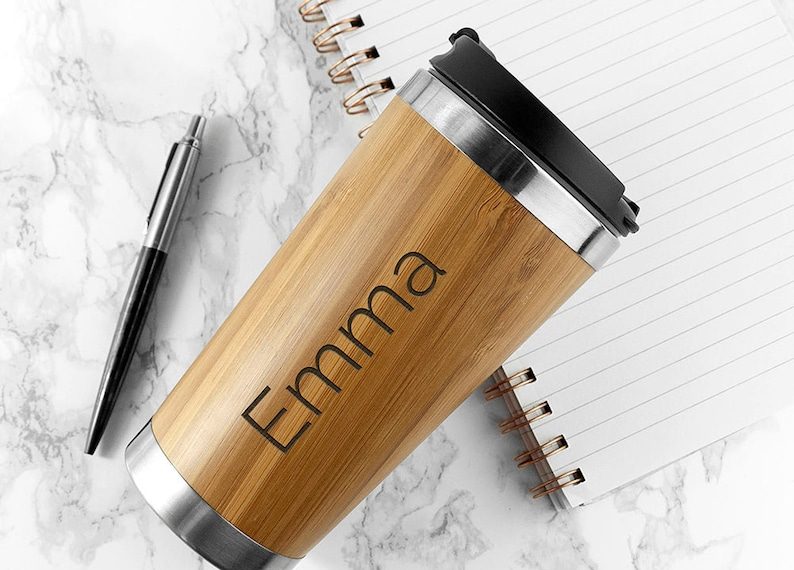
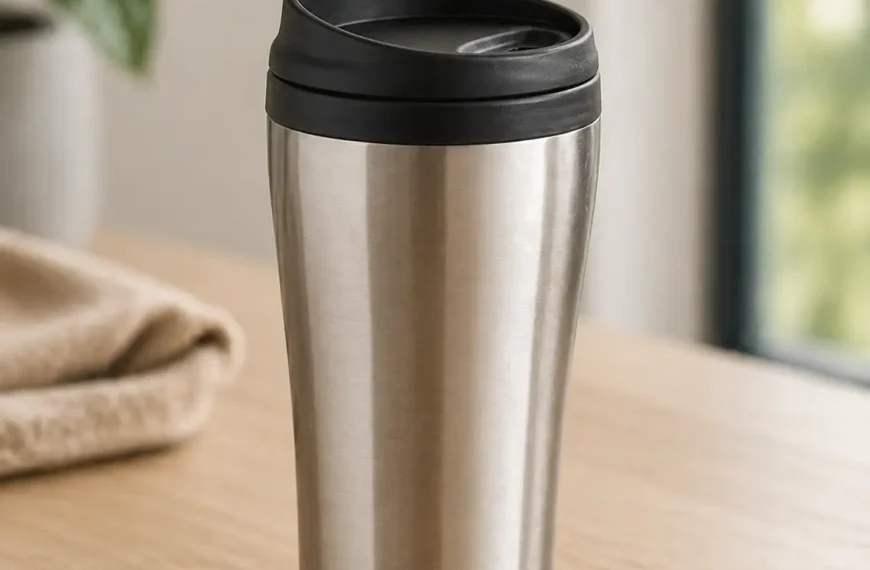
- Switch to insulated handleless shapes for travel: a handleless insulated tumbler-style mug seats more consistently while keeping the exterior comfortable.
What materials and construction methods affect handle performance?
Material choice and construction determine how quickly the exterior heats, how much grip friction the surface provides, and how vulnerable the handle join is to impact and thermal stress. Ceramic families differ in porosity and wall behaviour, while glass and metal differ strongly in thermal conductivity and surface feel. Construction quality matters because handles are attached at join points that must survive repeated lifting cycles and knocks.
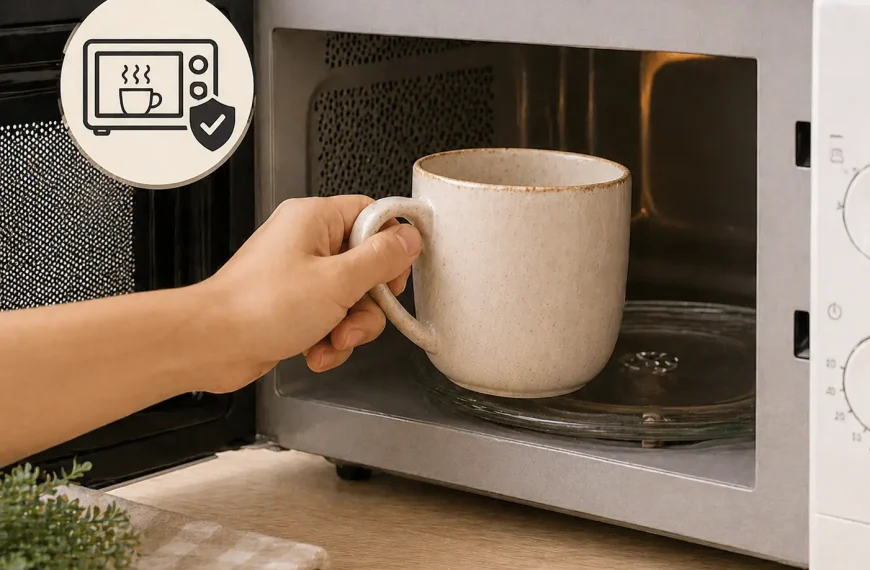
Why do some mug handles get hot in the microwave?
A mug handle gets hot in the microwave when it contains moisture or conductive paths that heat efficiently, especially in porous ceramic bodies where absorbed water can warm during heating. A handle can also heat because it is physically connected to the mug body, so heat travels through the join region over time. The practical outcome is simple: microwave heating can create a handle that feels cooler at first touch, then warms during the hold as heat migrates.
Do handles create weak points that break more easily than the mug body?
Handles create weak points because the join is a discontinuity where stress concentrates during impact and during twisting loads. Dropping a mug often breaks the handle first because it protrudes and takes the initial impact, and because the join region behaves like a natural fracture line. Handleless mugs remove that protruding break point, but they still can chip at the rim and base.
How do you maintain and care for a mug handle?
Handled mugs need care that protects the handle join and prevents lever-impact damage. Proper storage matters because stacking mugs inside each other can load the handle and increase the risk of chipping at the rim or stressing the attachment point during movement. Careful placement and avoiding contact between handles and adjacent items help reduce impact stress and extend the mug’s usable life.
Can a broken mug handle be repaired safely for drinking use?
A repaired mug handle is only safe for drinking use when the repair material is food-contact appropriate, fully cured, and the join can reliably support lifting loads without cracking. Many common household glues are not designed for repeated hot-wet cycles, and a failed repair can drop a hot drink unexpectedly. When the structural join is compromised and safe repair cannot be verified, repurposing the mug as a pencil holder or planter avoids the risk of hot-liquid failure.
Why do some mugs deliberately have no handle?
A handleless mug is a deliberate trade-off: it removes a protrusion to improve storage efficiency and reduce break points, while relying on wall thickness, insulation strategies, and body shape to stay comfortable in the hand. There are three common reasons handleless mugs are chosen for everyday use:
- Direct warmth and tactile feedback: some users want hand contact with the warm body.
- Higher storage density: handleless shapes pack and stack better in tight cabinets.
- Reduced break-risk zones: removing the handle eliminates the most common protruding fracture and snag point.
What is a mug without a handle called?
A mug without a handle is often described by its cultural form or design intent rather than a single universal name. Four common terms show the range of handleless “mug-like” vessels:
- Yunomi: a Japanese tea cup, often taller, designed to be held directly by the body.
- Tea bowl: a wider bowl-form cup designed for cradling and slow sipping.
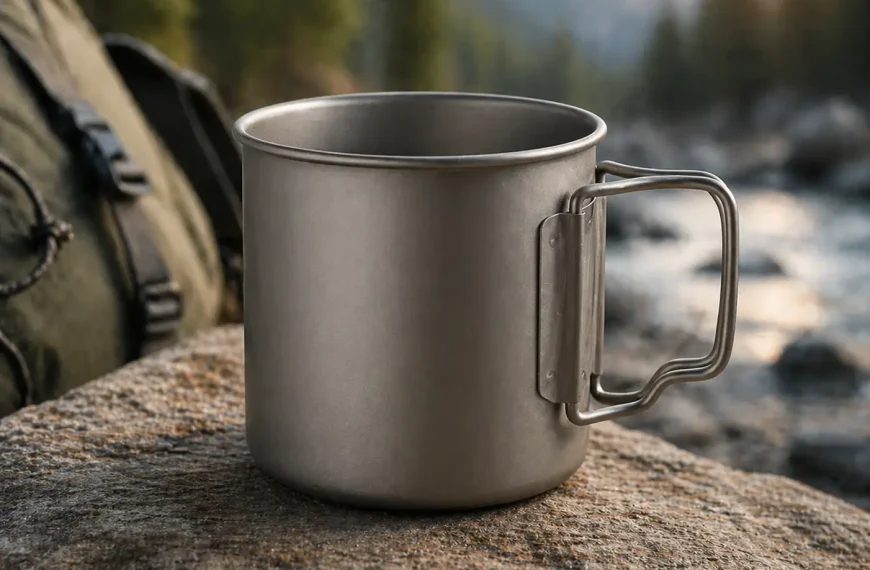
- Kupilka-style cup: a camping-oriented, often handleless or minimal-grip design built for durability and packability.
- Hug mug: a handleless mug with a shaped waist or concave body intended for secure two-hand cradling.
Buying a ceramic coffee mug with no handle comes down to two inspection points that control grip security and drinking comfort:
- Rim geometry: a rim that is too thin concentrates heat and feels sharper against the lips, while a rounded rim spreads contact pressure and usually feels smoother.
- Foot ring or base texture: a defined foot ring improves stability on flat surfaces and can reduce sliding compared with a fully flat glazed base.
How do handleless mugs improve stacking and storage efficiency?
Handleless mugs improve storage because they remove the lateral protrusion that wastes cabinet width and prevents close packing. In a cabinet, handles force a “gap zone” that keeps mugs from nesting tightly side-by-side, which reduces the number of mugs per shelf row. Handleless sets allow higher “vertical density” because the outer profile is closer to a cylinder, so mugs can sit closer together and, in some shapes, can be stacked or nested more reliably.
The takeaway
A mug handle is not decoration, it is a control and thermal-isolation interface that changes how heat, force, and balance behave in the hand. Handleless mugs win when storage density, fewer protruding break points, and direct hand-warming are the priority, especially when insulation or wall thickness keeps the exterior comfortable. Handled mugs win when the drink is very hot, when the mug is carried often, when spill control matters, or when the user needs finger clearance and low-strain grip support, including arthritis-friendly designs.