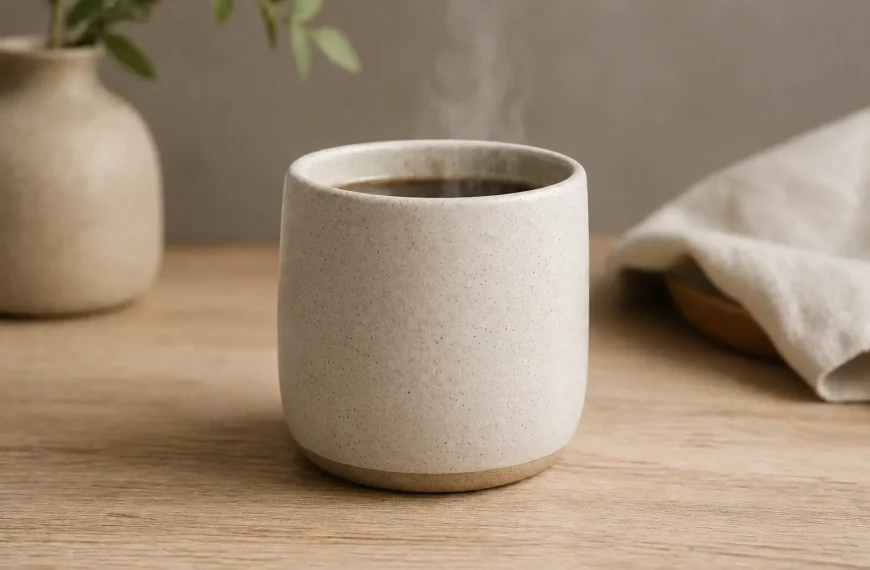

Famous brands of drinking mugs and their features describe how the modern mug market is defined by the heritage and viral resurgence of legacy names like Stanley, built around double-wall vacuum insulation for temperature control.
At the same time, the category has split into specialist lanes: Ember focuses on precision temperature control with a heated 10 oz mug rated up to 90 minutes on a full charge, while YETI leans into rugged construction and insulation performance, paired with a MagSlider lid that is leak-resistant rather than leakproof.
Even inside one “famous” product family, the details signal what a brand is selling: Stanley’s Quencher is sold in sizes like 40 oz, and it is engineered around vacuum insulation plus portability cues like cup-holder compatibility.
Brand comparisons usually come down to 5 feature groups: insulation and retention, lid and seal design, materials and interior finishes, handle and grip ergonomics, and capacity plus form factor. The market also clusters into 4 rugged outdoor names (YETI, Stanley, Hydro Flask, Klean Kanteen), 3 commuter and office standbys built around sealing systems (Contigo, Zojirushi, Thermos), 3 tech or coffee-specialty makers that target sensory control (Ember, Fellow, Bodum), and 3 home and kitchen brands that emphasize cabinet-friendly ceramics or ergonomics (Le Creuset, OXO, Tervis). Safety questions typically concentrate into 2 checks: whether glazes and metals are food-safe for daily contact, and what materials can handle microwaves, dishwashers, and heat without damage. Buying decisions then narrow into 2 practical filters: use-case fit (work, travel, gifting, specialty coffee) and what warranties or replacement parts are available.
Fame in this market comes from 4 pillars: Engineering Excellence, Cultural Relevance, Proprietary Innovation, and Consistency of Performance. These pillars align with the technical benchmarks for features, components, and customization found within Design & Standards.
What makes a drinking mug brand “famous” in the market?
A mug brand becomes famous when it repeatedly delivers a clear performance promise that customers can recognise, compare, and recommend. Historically, this can start with a foundational technology (vacuum insulation, leak-control mechanisms), then expand into distinct product lines that people ask for by name.
Widely recognised manufacturers whose mugs compete on measurable features such as insulation performance, lid sealing, durability, ergonomics, and, in some cases, active temperature control. The modern mug market is currently defined by the heritage and viral resurgence of legacy brands like Stanley, especially through vacuum-insulated thermal technology and high-capacity everyday-carry formats.
But the category is not one-size-fits-all: it now includes precision temperature control devices like Ember, and “over-engineered” rugged outdoor systems like YETI, with the best choice determined by the user’s environment and routine.
Brand fame comes from four pillars: engineering excellence, cultural relevance, proprietary innovation, and consistency of performance.
How do reputation, availability, and user communities influence which mug brands become famous?
Reputation and availability turn a well-designed mug into a default purchase, and user communities keep that momentum going through repeat buying, gifting, collecting, and social proof. In a landmark brand-community study in Journal of Consumer Research, Albert M. Muñiz Jr. and Thomas C. O’Guinn identified three recurring markers of brand communities (consciousness of kind, rituals and traditions, and moral responsibility), which explains why certain “name” mugs become identity objects, not just containers.
In practice, that community effect is amplified when products are easy to find and standardised across retailers, so users can replace lids, match sizes, and talk about models using shared terms.
Which feature claims most often differentiate famous mug brands?
Famous brands differentiate by making a small set of claims that are easy to verify in daily life. There are 6 common claim categories buyers use to compare “famous” mugs:
- Heat retention time (hours hot or a stated temperature after a set period)
- Cold retention time (hours cold or temperature after a set period)
- Leak-proof vs spill-resistant lids (bag-safe sealing vs splash reduction)
- Material and interior finish (taste neutrality, staining resistance, corrosion resistance)
- Ergonomics (handle shape, grip texture, one-handed use)
- Warranty and parts support (years covered, availability of replacement pieces)
Which mug features matter most when comparing famous brands?
The features that matter most are the ones that change outcomes you can feel: temperature at sip time, bag safety, cleaning effort, and how the mug fits your hand and cupholder. There are 5 feature “buckets” that cover most real-world comparisons: insulation, lid system, materials/finish, ergonomics, and form factor.
How do insulation designs affect heat and cold retention across brands?
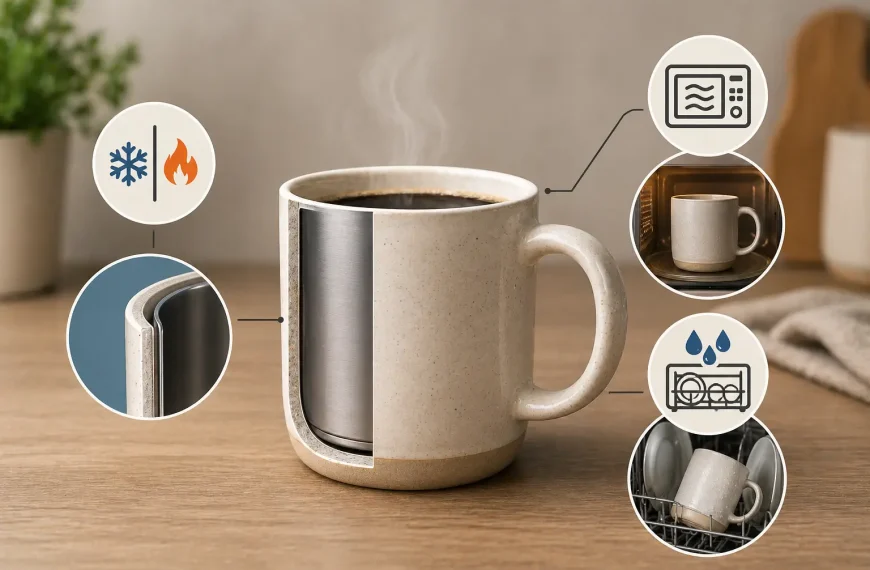
Insulation design decides whether a mug holds temperature for minutes, hours, or effectively “all day” if it’s an actively heated system. There are 3 dominant approaches:
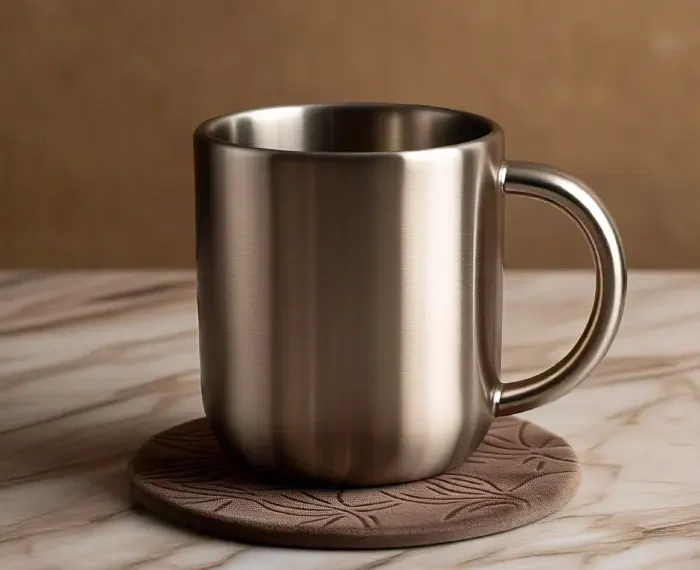
- Double-wall vacuum insulation (common in rugged and commuter brands)
- Passive single-wall or glass air-gap designs (comfort and aesthetics, less extreme retention)
- Active heating with a battery and thermostat (smart mugs)

How do lid systems reduce leaks, splashes, and heat loss?
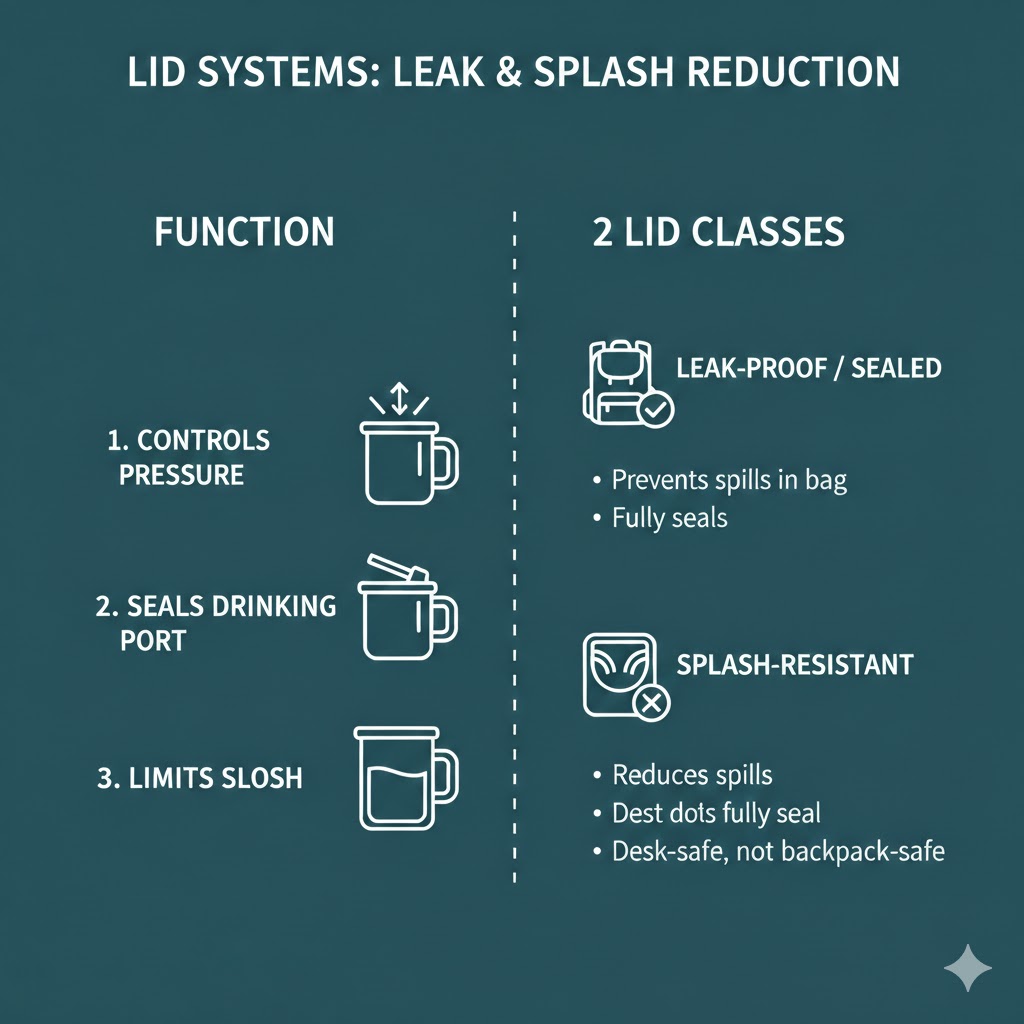
Lid systems reduce leaks by controlling pressure, sealing the drinking port, and limiting slosh paths. There are 2 important lid classes buyers confuse:
- Leak-proof / sealed (designed to prevent spills in a bag)
- Splash-resistant (reduces spills but does not fully seal)
If the brand explicitly says “not leakproof,” treat it as desk-safe, not backpack-safe.
How do materials and interior finishes affect durability, taste, and odor retention?
Materials and finishes affect whether coffee oils cling, whether stains set, and whether metallic taste shows up in sensitive drinks. There are 4 practical material/finish outcomes to check:
- Corrosion and puncture resistance in stainless-steel bodies
- Ceramic-lined or ceramic-coated interiors to reduce taste transfer
- Glass inertness paired with double-wall comfort designs
- Cleaning access (threads, gaskets, sliders, and hidden crevices)
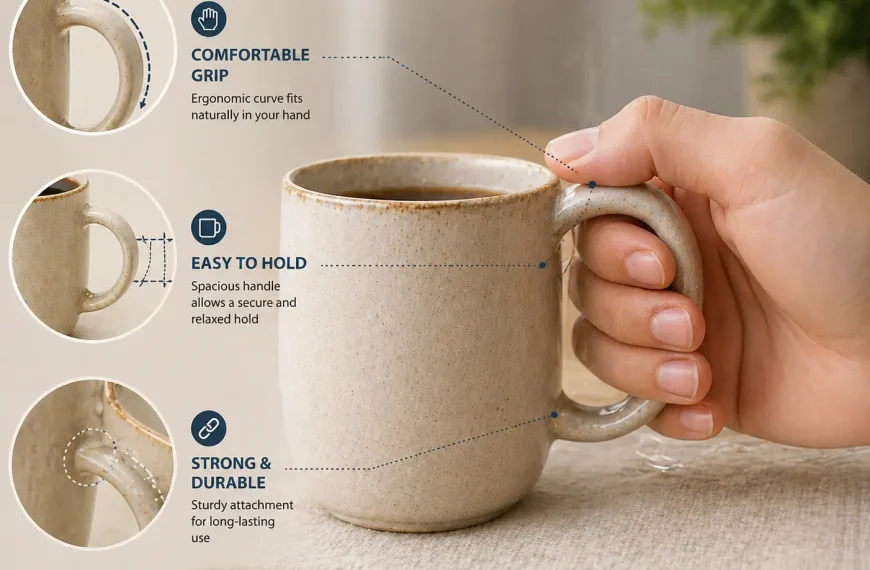
How do handles, grips, and ergonomics change comfort in daily use?
Ergonomics changes whether a mug is pleasant for long holds, one-handed sipping, or quick grabs during commuting. There are 3 design patterns common in famous brands:
- Traditional fixed handles for steady grip and heat separation
- Comfort-grip carry handles sized for “everyday carry”
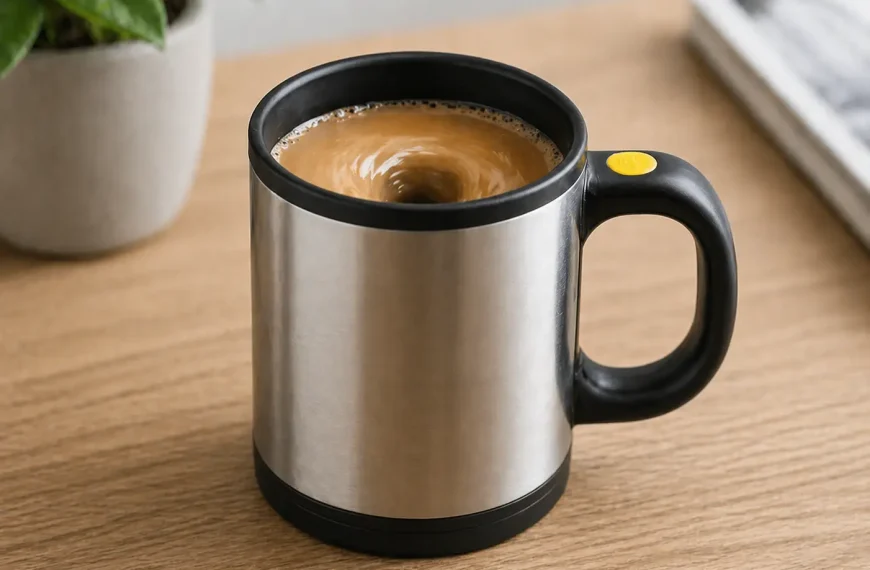
- One-handed button operation where the grip and lid are engineered as one system
How do capacity and form factor choices affect portability and cupholder fit?
Capacity and shape decide whether a mug is drinkable in motion and whether it actually fits your car. There are 3 form-factor checks that prevent most buying mistakes:
- Base diameter vs cupholder (some models publish exact base measurements)
- Height vs machine clearance (coffee machines, shelves, and bag pockets)
- Lid style vs drinking style (straw, open sip, push-button, twist)
Which outdoor and adventure mug brands are best known for rugged insulation?
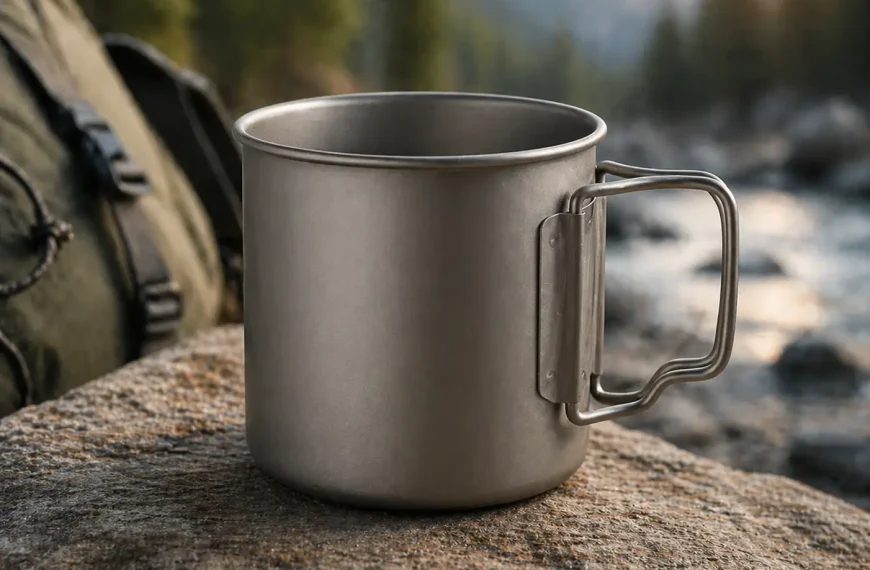
Outdoor brands are famous because they prioritise impact resistance, stable insulation, and field-cleanability over elegance. These mugs often use vacuum insulation, thick stainless construction, and simpler external geometry that survives drops and rough storage.
What is YETI best known for in its Rambler and Coffee Mug lines?
YETI is best known for rugged stainless drinkware built around double-wall vacuum insulation and hard-use design choices like welded handles and dishwasher-safe construction. Its Rambler mug line is positioned as “over-engineered” for durability, and YETI explicitly supports dishwashing as normal care for its cups.
YETI also backs Rambler products under a 5-year limited warranty category on its warranty page.
What does the YETI MagSlider lid design aim to improve?
The MagSlider design aims to improve splash resistance and convenience by using a magnetic slider to cover the sip opening. YETI also states clearly that the MagSlider lid is not leakproof and “will not prevent spills,” so it should not be treated as bag-safe sealing.
What is Stanley best known for in its Classic line and modern best-sellers?
Stanley is best known for legacy vacuum-insulated drinkware that evolved into modern best-sellers like the Quencher line, which combines double-wall vacuum insulation with a high-capacity, handle-forward design. On the Quencher H2.0 40 oz product page, Stanley lists a 3.1-inch base diameter for cupholder compatibility and a FlowState screw-on lid system.
Brand ownership is separate from the tool company name many people associate with “Stanley”; the drinkware brand is produced by PMI (Pacific Market International), and trademark confusion has been the subject of litigation reporting.
Why did the Stanley Quencher become widely associated with everyday carry?
The Quencher became everyday-carry because it paired large capacity with car compatibility and a dedicated carry handle, which made it a practical “carry all day” hydration mug rather than a desk cup. Stanley markets the Quencher H2.0 40 oz with a comfort-grip handle and cupholder fit, and it publishes the base diameter to support that use case.
It also became culturally visible through repeated sellouts and waitlists described in mainstream product coverage.
Do Stanley mugs contain lead or heavy metals?
Stanley has publicly stated that lead can be used in a sealing component in the base of some vacuum-insulated products, and that the sealed area is covered by stainless steel and is not accessible during normal use. Reporting and medical guidance also emphasise that the concern is tied to lead’s toxicity and to damage scenarios, not normal sipping contact with intact products.
For a practical safety check, treat base damage or missing base caps as a stop-use signal and use the brand’s warranty pathway for replacement.
What is Hydro Flask best known for in its mug and coffee-focused variants?
Hydro Flask is best known for double-wall vacuum insulation marketed under its TempShield technology, aiming to reduce temperature transfer through the walls. The brand positions this as a performance feature for both hot and cold drinks.
What is Klean Kanteen best known for in eco-leaning insulated drinkware?
Klean Kanteen is best known for insulated drinkware positioned around climate- and sustainability-linked branding, including its “Climate Lock” insulation naming and corporate responsibility positioning. The brand also highlights a signature wide-mouth platform with TKWide threading as a design system used across products.
Which commuter and office mug brands are most associated with leak-proof performance?
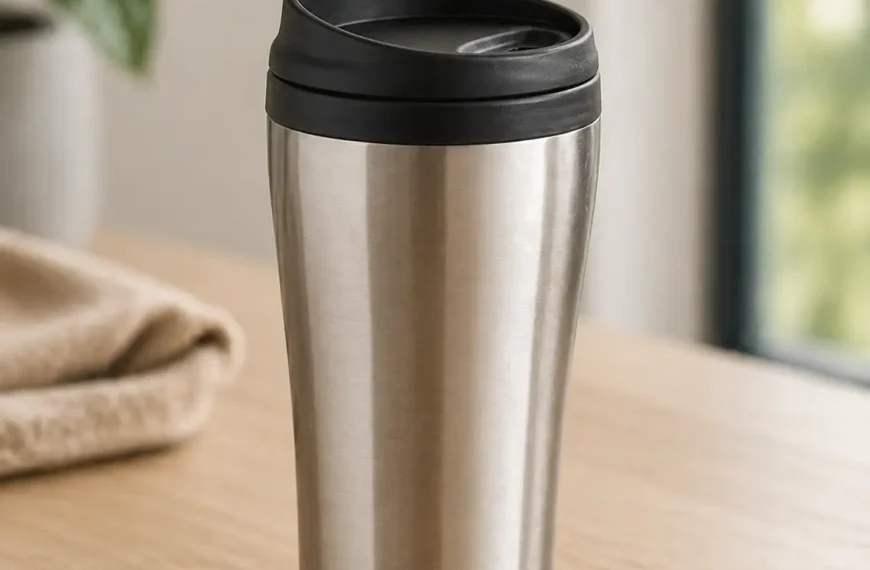
Commuter brands are famous for one thing: they prioritise “bag-safe” sealing and one-handed operation. The core promise is that the lid is engineered as a mechanism, not just a cover.
What is Contigo best known for in leak-proof travel mugs?
Contigo is best known for travel mugs built around a “press to sip, release to seal” concept, marketed as leak- and spill-proof via AUTOSEAL. On its West Loop product page, Contigo describes this button action as the core control method for preventing spills.
It also markets insulation time claims, including “hot up to 8 hours” and “cold up to 16” for certain West Loop variants.
How does Contigo AUTOSEAL work as a spill-control mechanism?
AUTOSEAL works by keeping the drinking port closed by default and opening it only while the button is pressed. There are 3 steps in the basic mechanism described in Contigo documentation and product descriptions:
- Press the button to open the sip path.
- Drink while maintaining pressure.
- Release to return to a sealed state after each sip.
What is Zojirushi best known for in heat retention and sealing?
Zojirushi is best known for compact vacuum-insulated mugs with strong heat-retention specs and locking, gasketed lids designed for bag carry. On an official product listing, Zojirushi publishes heat retention figures such as 70°C at 6 hours (starting from 95°C water under specified test conditions), which is the kind of spec shoppers use to compare “best heat retention” claims across brands.
What is Thermos best known for in thermal technology?
Thermos is best known for vacuum insulation products so widely recognised that the name has been used generically in public language, and its brand history includes major trademark litigation over generic use of the word “thermos.” A US appellate case record discusses widespread generic use and brand policing efforts in the 1950s, showing how deeply the term entered everyday speech.
On performance, Thermos publishes concrete time claims on specific products, such as the Stainless King travel mug: hot up to 7 hours and cold up to 18 hours, plus a stated 5-year warranty on vacuum insulation.
Which smart mug and coffee-specialty brands focus on tech and sensory experience?
Smart and coffee-specialty mugs are famous because they treat drinking as a controlled experience, not a passive one. The category splits into actively heated devices and flavour-focused interiors that aim to preserve aroma and taste.
What is Ember best known for in temperature-controlled mugs?
Ember is best known for mugs that actively maintain a set drinking temperature using an internal heater, battery, and app control. On its product pages, Ember states a temperature-control range of 120°F–145°F (50°C–62.5°C) and gives battery-life examples such as up to 1.5 hours for the 10 oz model under stated conditions.
This is the core reason “Ember is expensive” compared with passive vacuum mugs: the product includes electronics, charging hardware, and closed-loop temperature regulation rather than relying only on insulation.
What trade-offs do smart mugs introduce versus passive insulated mugs?
Smart mugs introduce trade-offs because they exchange unlimited passive duration for powered control and charging routines. There are 4 practical trade-offs to consider:
- Battery window vs unlimited insulation time (heated time depends on charge; on-coaster use can be continuous).
- Care limits (electronics often change dishwasher and soak rules).
- Weight and complexity (internal components add mass and failure points).
- Replacement economics (if a battery degrades, the “feature” degrades).
What is Fellow best known for in coffee-focused mugs?
Fellow is best known for coffee-first design choices that target aroma and taste retention, including wide-mouth geometry and ceramic-lined interiors in models like the Carter line. Fellow markets these features as flavour-protection choices rather than purely insulation claims.
What is Bodum best known for in glassware mugs?
Bodum is best known for double-wall glass mugs that visually “float” the beverage while using an air gap to reduce external heat transfer. Its Pavina-style designs are widely cited as the classic example of double-wall glass drinkware.
This design tends to feel cooler to hold than a single-wall glass mug at the same drink temperature because the outer wall is insulated by the air gap.
Which kitchen and ceramic-focused brands are most associated with home use?
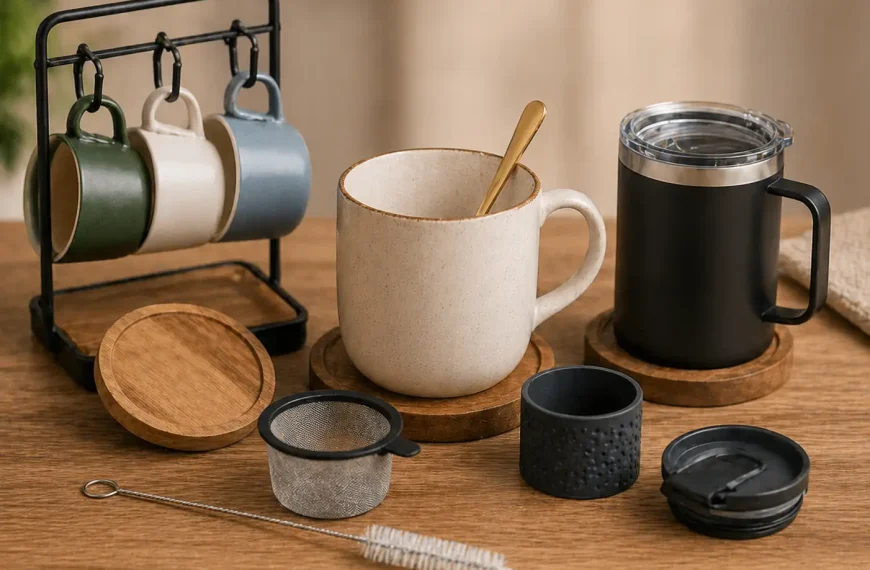
Home-use brands are famous because they optimise for cabinet life: stackability, microwave and dishwasher practicality, and finishes that stay good after repeated cycles. Here, colour, glaze, and chip resistance matter as much as “hours hot.”
What is Le Creuset best known for in premium ceramic mugs?
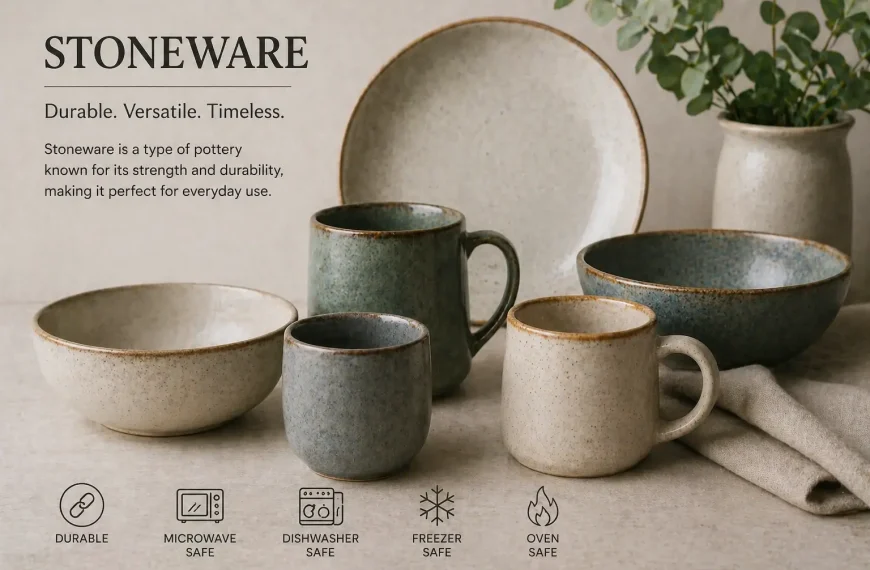
Le Creuset is best known for high-fired stoneware in signature colours and a recognisable ringed design language that matches its cookware aesthetics. The brand positions its mugs as durable stoneware intended for daily kitchen use.
What is OXO best known for in ergonomic everyday mugs?
OXO is best known for “Good Grips” ergonomics, applying a comfort-first philosophy to everyday kitchen tools and drinkware. The design goal is straightforward: stable grip, comfortable holding angles, and reduced strain in routine use.
What is Tervis best known for in customizable drinkware?
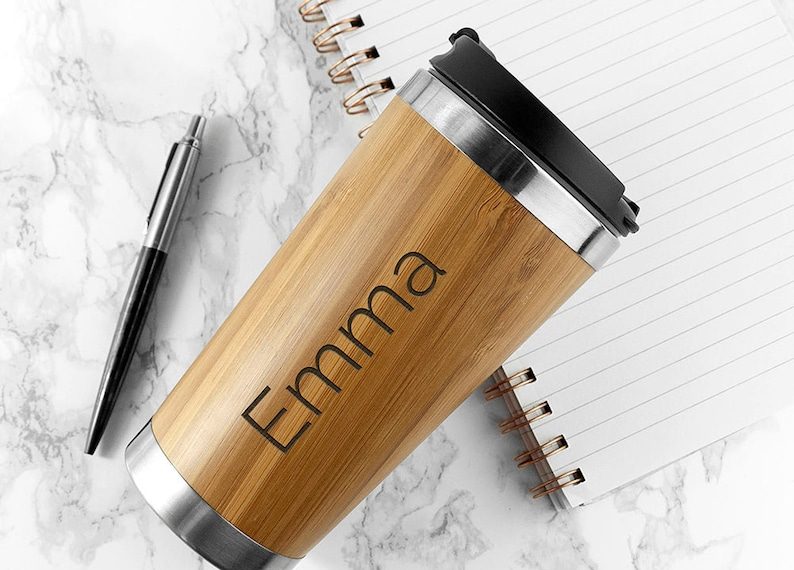
Tervis is best known for personalisation and printed designs sold as gift-friendly drinkware. It also answers common safety questions directly, including BPA-related material positioning on many product lines.
How do you verify the safety and material quality of famous brands?
Safety verification is a documentation and design-check exercise, not a “brand trust” exercise. The most reliable approach is to confirm food-contact materials, identify high-risk surfaces (glazes, coatings, gaskets), and follow the maker’s care limits.
Are popular mug glazes and materials safe for daily drinking?
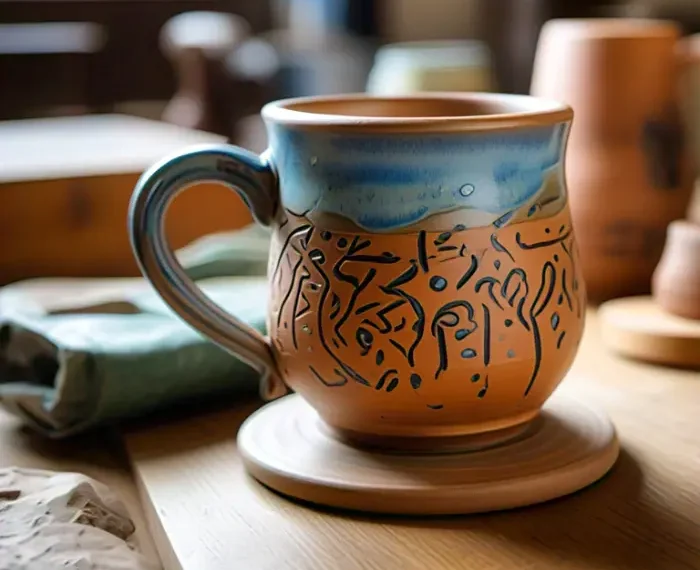
Food-safe glaze claims are meaningful only when backed by migration testing, because lead and cadmium risks are tied to what can leach from the surface into drinks. In a peer-reviewed study on lead in ceramicware, Robert A. Anderson and colleagues reported measurable lead transfer into beverages, with higher leaching linked to the ware and conditions tested, supporting the practical rule that “decorative” is not the same as “food-safe.”
For buying, treat “food safe” as a standards claim that should be supported by compliance documentation in regulated markets, not just by branding language.
What are the limits of different mug materials in the kitchen?
Material limits are defined by heat sources and cleaning methods, and famous brands often publish these limits clearly. There are 3 high-impact kitchen rules that stop most damage:
- Electronics and microwaves do not mix, so smart mugs with internal electronics are not microwave items.
- Vacuum-insulated stainless mugs often have care constraints around lids and seals, even when bodies are dishwasher safe.
- Ceramic and stoneware are often positioned for microwave and dishwasher use, but the safest rule is to follow the brand’s published care instructions for that exact model.
How do you choose a famous mug brand based on your use case?
Choosing a famous mug brand is a matching exercise between environment, drinking speed, and spill risk. The same “top brand” can be the wrong buy if the lid class, size, or cleaning burden conflicts with your routine.
Which brands are best for gifting, work, or specialty coffee?
The best brand depends on what problem the mug is supposed to solve. There are 4 clear use-case matches based on published features:
- Work desk, long sipping: Ember Mug 2 for maintained temperature on a coaster.)
- Commuting and bags: Contigo AUTOSEAL designs marketed as leak- and spill-proof with one-handed operation.
- Outdoor and rough handling: YETI Rambler-style stainless construction with dishwasher-safe care positioning.
- Everyday carry and cupholders: Stanley Quencher’s published cupholder-fit base diameter and carry handle format.
What should you verify about warranties and replacement parts?
Warranties and parts support decide whether a mug stays in service for years or becomes disposable after one broken component. There are 3 checks that matter most:
- Warranty duration and scope (what is covered, what is excluded).
- Exclusions for lids, seals, and straws (often treated as wear items).
- Availability of replacement parts (sliders, gaskets, lids) via official channels.
Counterfeit “famous brand” mugs and how to avoid buying fakes
Counterfeit mugs are related to famous-brand shopping because high-demand models attract knockoffs that can undermine performance and safety expectations.
Why are viral mugs more likely to be counterfeited?
Counterfeiting concentrates on products with strong name recognition and high resale demand, where buyers accept limited availability and rush decisions. That demand pattern has been reported in mainstream coverage tied to the commercial success and branding disputes around Stanley-branded drinkware.
What are the most reliable authenticity checks when buying online?
The most reliable checks are channel and documentation checks, not visual “spot the difference” games. There are 3 checks that reduce risk the most:
- Buy from the brand or an authorised seller, because warranties often require authorised purchase.
- Use the brand’s official warnings and support pages when available (brands publish fraud alerts and guidance).
- Avoid resale listings that restrict resale or bulk orders, since some brands explicitly flag resale patterns as problematic.
What should you do if you suspect you bought a fake?
The correct response is to stop treating the mug as “food-contact verified” until the seller and brand support confirm provenance. There are 3 practical steps:
- Contact the brand’s customer support using official channels and provide photos and purchase details.
- Use warranty or support pathways only if the purchase meets eligibility rules (authorised seller requirements are common).
- Report the seller through the marketplace resolution process and keep transaction records for refunds or disputes.
The clean way to buy famous mugs without wasting money
Famous mug brands win because they make a small set of features repeatable at scale: insulation you can measure, lids you can trust, materials you can clean, and formats that fit real life. The fastest way to choose is to decide your top priority first, then pick the brand line that publishes the clearest matching specs, like Zojirushi’s temperature-at-6-hours numbers, Thermos’s hot/cold-hour claims, Contigo’s sealing mechanism, or Ember’s controlled temperature range.
When the use case is clear, the “best brand” usually becomes obvious, because the features that matter are the ones you can test on day one for everyday mug.