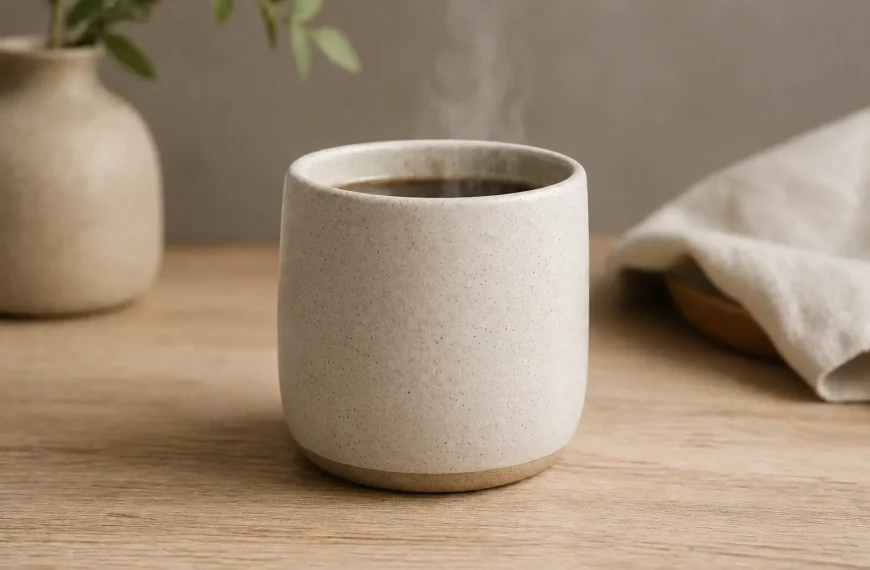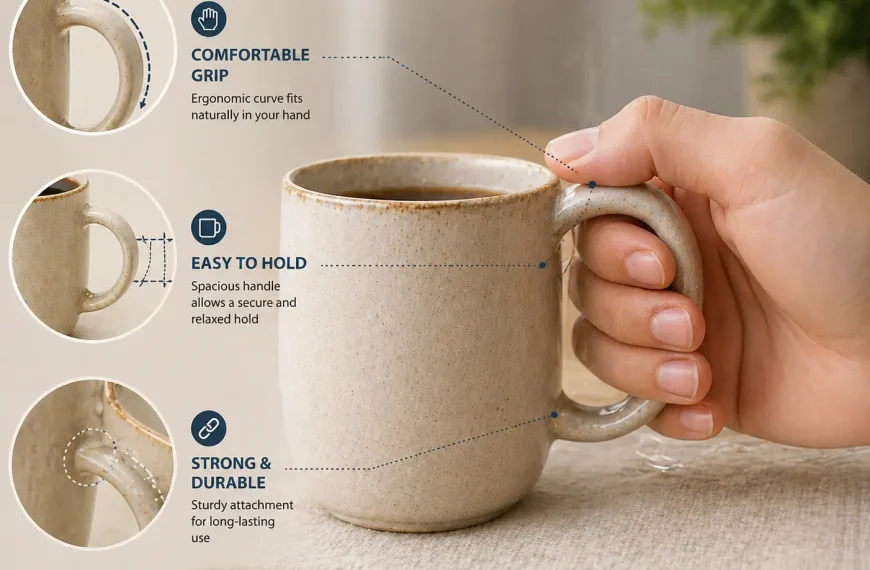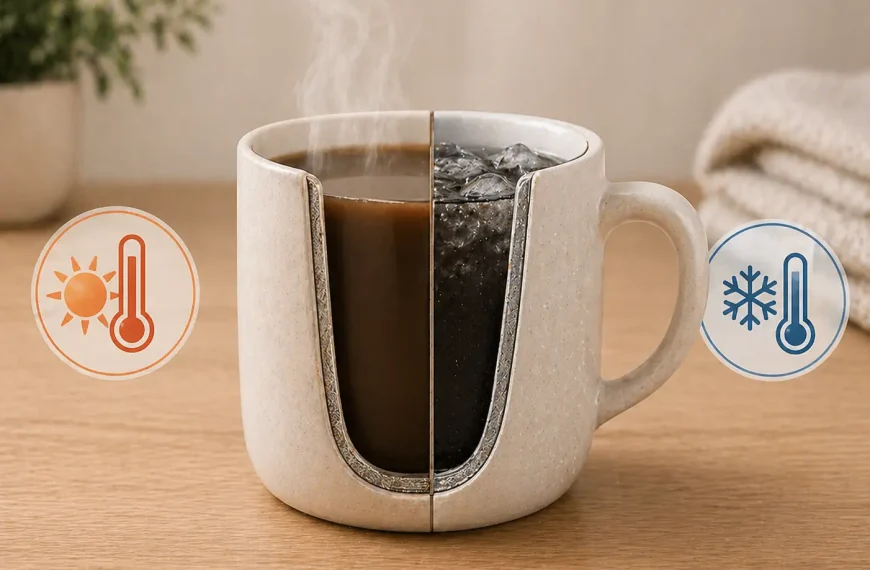

Microwave safety in mugs is the capacity of a drinking vessel to withstand microwave electromagnetic energy and the resulting dielectric heating without structural failure, arcing, or chemical migration into the drink. In a household microwave, energy is produced by a magnetron and absorbed mainly by the food or liquid, while the oven’s metal cavity reflects the waves to keep energy in the chamber.
To tell if a mug is microwave-safe, start with the base: look for an explicit microwave-safe mark or the manufacturer’s statement, then confirm the mug has no metal anywhere in the body, rim, handle accent, paint, or decal, and treat unknown or unlabelled mugs as not microwave-safe until proven otherwise. As a quick safety check for the heating environment, the FDA microwave leakage limit for compliant ovens is 5 mW/cm² measured about 2 inches from the surface, and the FDA notes that at 20 inches the measured value would be about 1/100 of the value at 2 inches, which is why the real-world risk in normal use is dominated by heat, arcing, and vessel condition rather than “radiation exposure.”
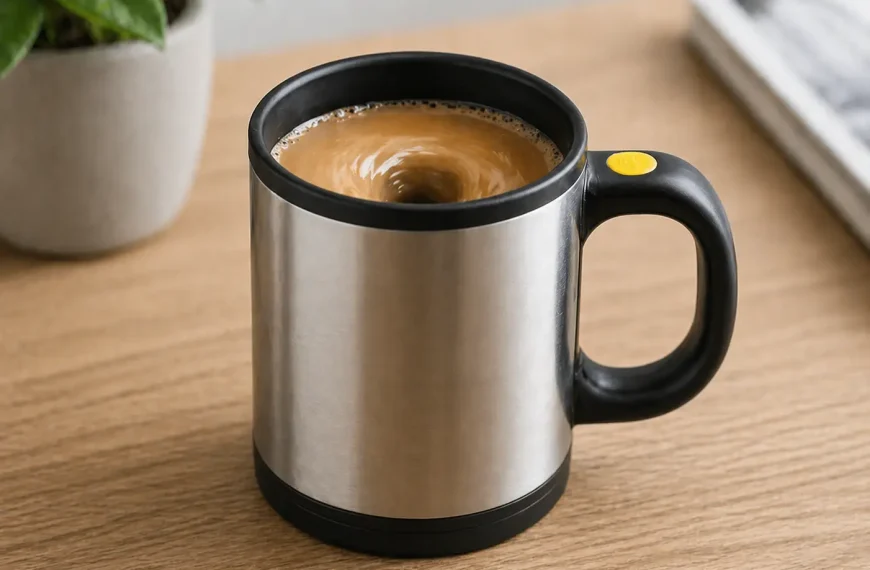
Safety is not universal across mug types, and the clearest boundary case is vacuum-insulated stainless drinkware: YETI and Hydro Flask state their stainless, vacuum-insulated products are not for microwave use, with explicit “do not microwave” warnings. That same boundary explains the two biggest failure modes seen in everyday mugs: materials and add-ons. Microwaves are reflected by metal and pass through glass, paper, plastic, and similar materials, so plain glass and dense, high-fired ceramics sit on the “non-conductive vessel” side of the risk profile, while metal trims, metallic luster finishes, or any conductive edge can concentrate electric fields and trigger sparking, especially at sharp points.
The highest-risk “microwave-unsafe” features are often decorations, not the base mug: a thin metallic rim, gilding, adhesive-backed vinyl, or a glued-on badge can turn an otherwise stable mug into a sparking or melting hazard. And even when a mug material is compatible with microwave heating, “safe” does not mean “chemically inert under all heating conditions”: microwave heating has been shown to increase specific migration from polypropylene packaging under microwave conditions, and older or decorated ceramic glazes have published evidence of lead leaching during microwave heating in certain cases.
Establishing these safety boundaries is a foundational component of evaluating the technical mug features that ensure a product is fit for modern kitchen environments. To navigate these risks effectively, one must first clarify the specific technical definitions of the “microwave-safe” designation.
(U.S. Food and Drug Administration)
(American Chemical Society Publications)
Understanding these safety markers and failure points starts with a clear definition of what a “microwave-safe mug” rating actually means.
What does “microwave-safe mug” actually mean?
A “microwave-safe” mug is a mug the maker says can be used in a microwave without the mug failing in the ways that matter in microwaves: sparking (arcing), cracking from rapid heating, melting/softening (plastics and adhesives), or other damage during normal reheating. Microwave ovens are designed so microwave energy stays in the metal cavity, and U.S. performance rules limit leakage to 5 mW/cm² at about 2 inches from the oven surface over the oven’s lifetime; at 20 inches, the measured value is about 1/100 of the value at 2 inches.
In practice, “microwave-safe” is an appliance-use claim, not a promise that the mug stays cool, and not a universal rating that transfers from one brand or batch to another.
How can you tell if a mug is microwave-safe?
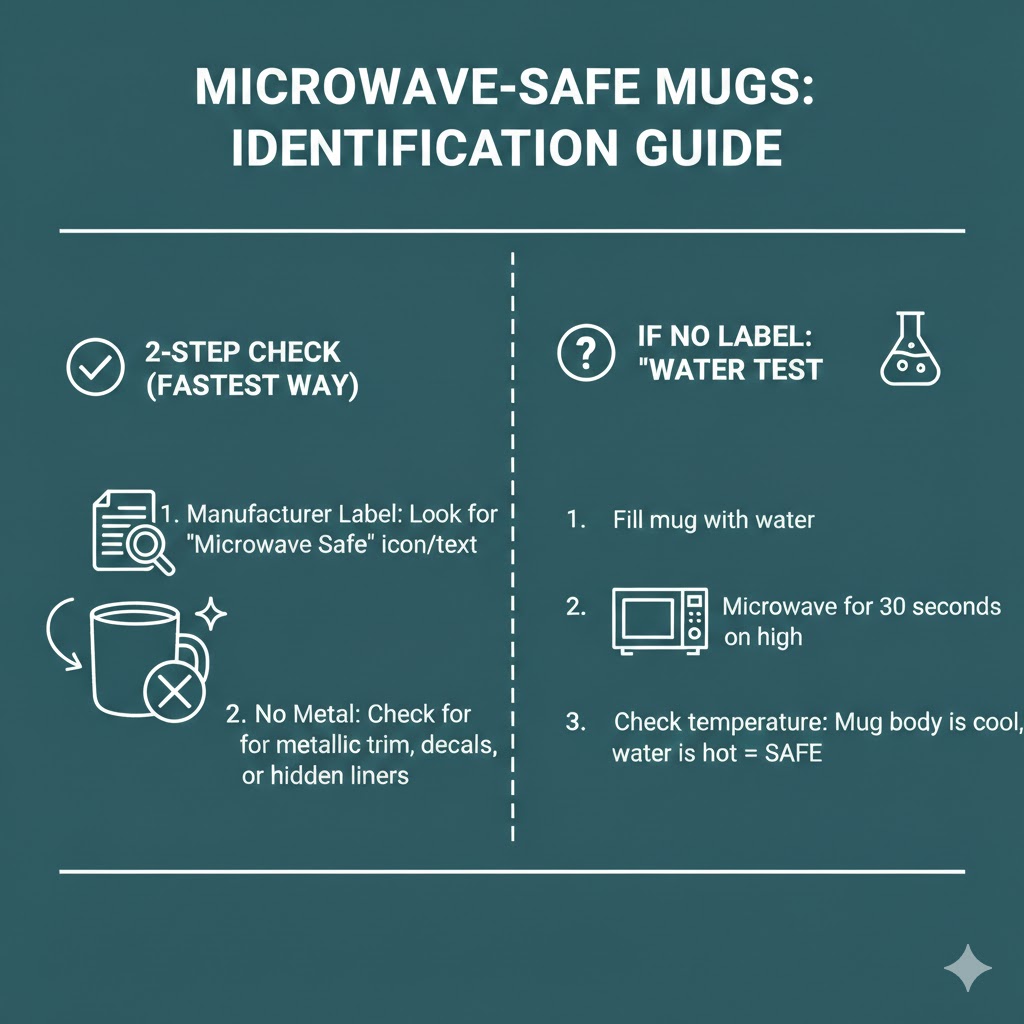
The fastest way to tell is to follow a two-step check: confirm a clear microwave-safe label from the manufacturer, then confirm there is no metal anywhere on the mug. That check needs to include easy-to-miss areas like metallic trim on the rim, a shiny luster band, a metallic logo decal, or metal hidden inside a travel-mug liner.
If the mug has no label and the origin is unknown, treat it as not microwave-safe until you test it cautiously with water using the routine in the “water test” section.
What does the “microwave-safe” symbol on the bottom of a mug look like?
A microwave-safe mark is most often shown as wavy lines, sometimes paired with a small microwave-oven icon, stamped or printed on the base. Third-party conformity and safety organisations commonly describe microwave marks as “wavy radiation lines” that signal microwave compatibility, and they note that some products also add limits like reheating-only instructions.
If a mug is marked “do not microwave,” the absence of a microwave mark is not the key point; the explicit warning is.
Does “microwave-safe” mean “won’t get hot,” or can it still get very hot?
A microwave-safe mug can still get very hot, because “safe” does not mean “low heat transfer,” and a mug can absorb enough energy to heat up or become too hot to handle. A separate safety issue is chemical migration from certain decorated or older ceramics: one peer-reviewed study found unsafe lead concentrations above 3 µg/mL in microwave leachates from some old ceramic dinnerware with specific glazes/over-glaze decals after microwave heating.
So the correct interpretation is: the label is about permitted use, not a promise of a cool-to-touch mug and not a blanket guarantee about every possible glaze or decoration across decades of manufacture.
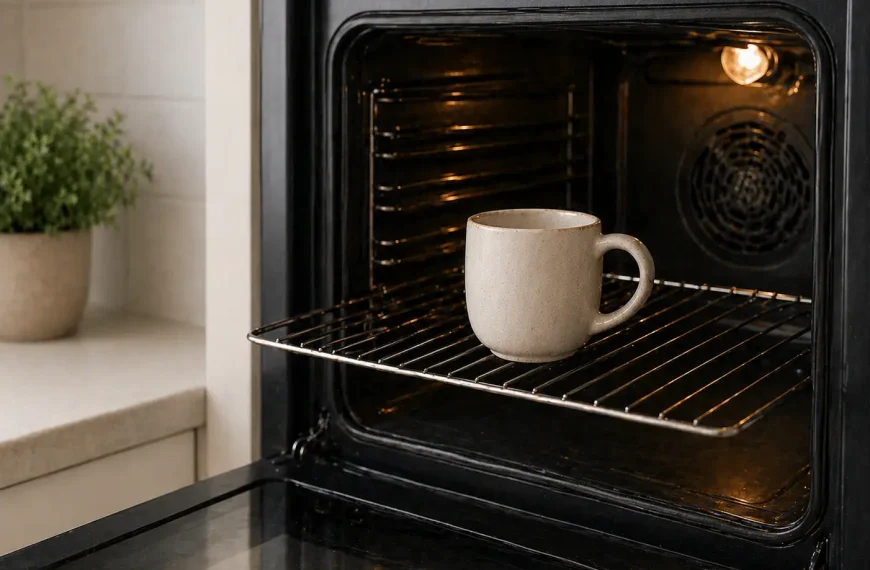
Is “microwave-safe” the same as “oven-safe,” or are those different ratings?
Microwave-safe and oven-safe are different ratings because a microwave heats mainly by electromagnetic energy interacting with the contents and certain materials, while an oven heats by hot air and radiant heat over a longer time. A mug that is fine in an oven can still be a bad microwave choice if it has metallic trim, metallic paint, or a metal-bearing decorative finish that can spark in a microwave.
Treat them as separate appliance claims and only rely on the specific label for the appliance you plan to use.
Is “microwave-safe” the same as “dishwasher-safe”?
Microwave-safe and dishwasher-safe are different ratings because dishwashers combine hot water, detergents, and mechanical abrasion that can wear finishes, while microwaves stress materials through heating patterns and metal sensitivity. Consumer safety guidance commonly treats these as separate care labels rather than interchangeable ones.
If a mug is dishwasher-safe but has metallic decoration, it still fails the “no metal” rule for microwaves.
Which mug materials are safest in the microwave?
The safest mug materials in a microwave are non-metallic, heat-stable materials that do not spark and resist cracking from rapid temperature change. The FDA notes that microwaves pass through materials like glass, paper, plastic, and similar non-metallic materials, while metal reflects microwaves, which is why material selection and metal avoidance sit at the centre of microwave safety.
Within that boundary, the real-world differences come down to how the mug is made: firing temperature and porosity for ceramics, and thermal-shock behaviour for glass.
Are all ceramic mugs microwave-safe, or only some of them?
Only some ceramic mugs are microwave-safe, because ceramics vary by clay body, firing level, glaze type, and decoration. High-fired, dense ceramics generally tolerate reheating better than low-fired, porous ceramics because porosity increases water uptake, and trapped moisture can heat aggressively in a microwave.
The practical rule is simple: a plain, dense ceramic mug with a clear microwave-safe label is a different risk profile from an unlabelled, heavily decorated, or visibly crazed mug.
Are porcelain mugs microwave-safe?
Porcelain mugs are commonly microwave-safe when they are plain, fully vitrified, and free of metal decoration, because porcelain is typically fired to a dense, low-porosity body. The deciding factor remains the maker’s microwave label and the absence of metal trims or metallic overglaze.
If a porcelain mug has any metallic rim, gold band, or metallic logo, treat it as not microwave-safe.
Are stoneware and clay mugs microwave-safe?
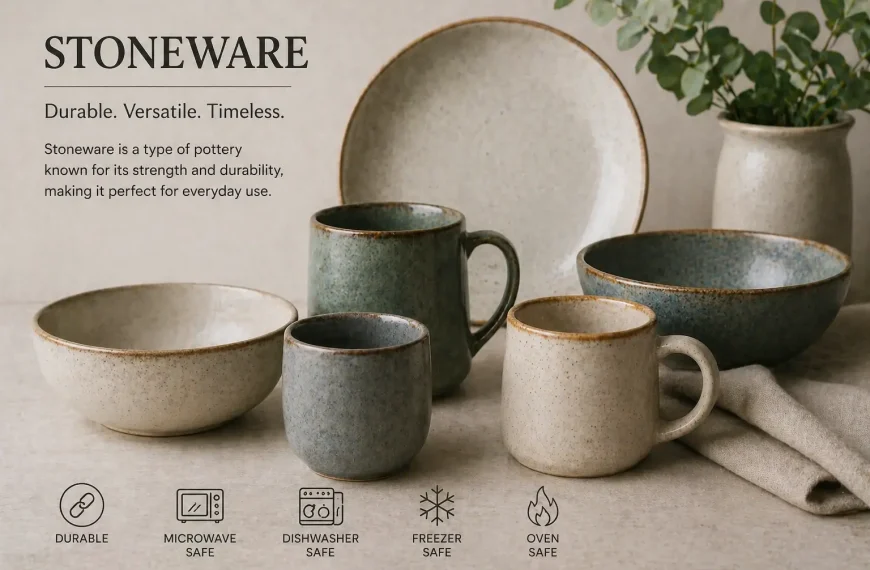
Stoneware and clay mugs can be microwave-safe when they are properly fired, fully glazed in food-contact areas, and not moisture-absorbing at the base. The main failure mode is water absorption into an unglazed or porous body, because water can heat and expand quickly under microwave heating, increasing cracking risk.
If the mug has a rough, unglazed foot that darkens when wet, treat it as higher risk for repeated microwaving.
Is glass (borosilicate vs. soda-lime) safe for microwave heating?
Glass is generally microwave-compatible when it is plain and metal-free, but glass differs in thermal shock performance, which affects cracking risk with rapid temperature changes. An American Ceramic Society educational resource notes that common glass families include borosilicate and soda-lime, and that borosilicate is made to withstand thermal shock better than most other glass through a combination of lower expansion and strength.
So a borosilicate mug is usually a better microwave reheating vessel than a thin soda-lime glass mug when you expect repeated hot-cold cycling.
Are handmade pottery mugs microwave-safe, and what makes them riskier?
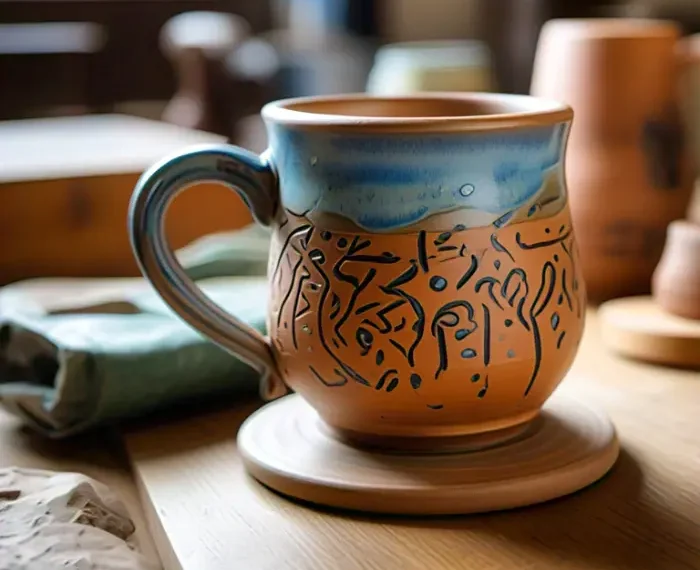
Handmade pottery mugs are microwave-safe only when the maker states microwave compatibility and the mug has no metal-bearing decorative finishes. The risk is higher because handmade work can include variable wall thickness, micro-defects, or decorative choices that are not designed for microwave use, and ceramics can fail under thermal shock stress when temperature changes are abrupt.
If a handmade mug has visible crazing, a metallic sheen, or an unknown glaze, keep it out of the microwave.
Are bamboo-composite, cork-bottom, or “eco” fiber mugs safe to microwave?
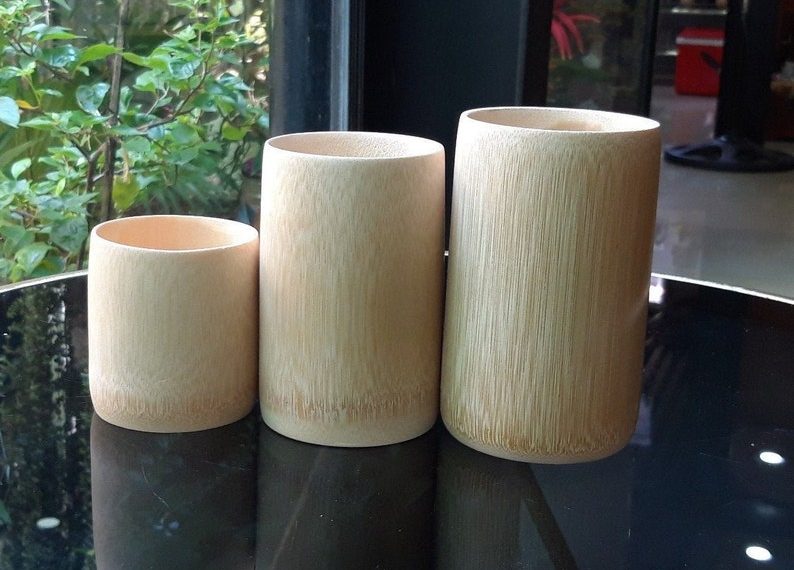
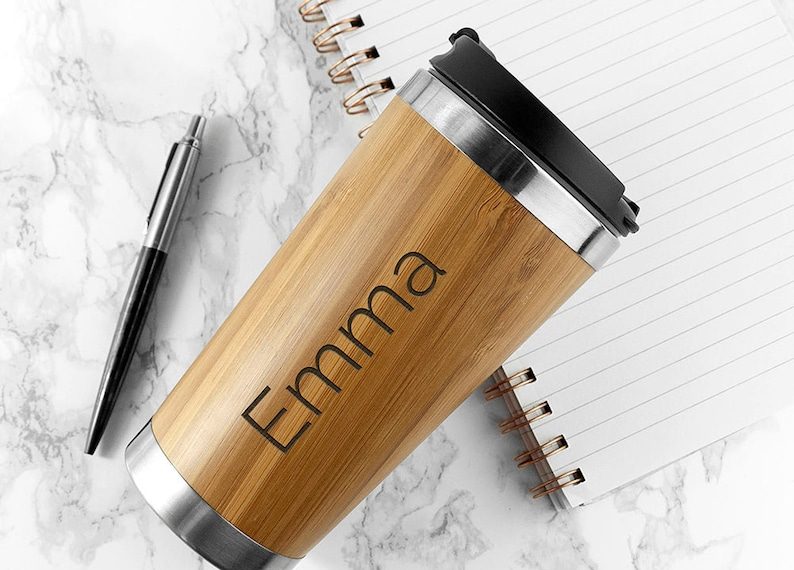
Bamboo-composite and fibre mugs with bonded structures are not a reliable microwave choice when they use resins, adhesives, or mixed materials that can soften, warp, or degrade under heat. Cork bases and glued components also add a second problem: bonds can loosen and trap moisture underneath, which increases uneven heating and hot spots.
If the mug has a cork base, glued badge, or layered “eco composite” construction, treat it as not microwave-safe unless the manufacturer explicitly says otherwise.
Are plastic mugs microwave-safe, and what markings matter?
Plastic mugs are microwave-safe only when the manufacturer explicitly says they are, because “plastic type” alone does not control what can migrate or deform under microwave heating. In research on polypropylene (PP) food-contact packaging and microwave heating, swelling in a fatty simulant increased additive diffusion coefficients by factors of 100–1000 at 80°C, and the work reports that overall migration could rise above established overall-migration limits under those conditions.
So treat resin codes as a sorting clue, not a safety certificate, and rely on the printed microwave-safe instruction for the specific mug. (DIVA Portal)
Which mug parts and decorations make a mug unsafe?
The parts that make a mug unsafe are usually conductive or heat-unstable add-ons that can spark, melt, or detach under microwave heating. Metal is the headline risk because it reflects microwaves and can create sparking, and the FDA explicitly describes metal as reflective to microwave energy while many non-metals allow microwaves to pass through.
The second risk category is adhesives and coatings, because they can soften, peel, or release odours when heated.
Can you microwave a mug with a metal rim, metallic trim, or gilding?
A mug with any metal rim, metallic trim, or gilding is not microwave-safe because metal can reflect microwaves and trigger arcing. The FDA’s explanation of microwave interaction with metals matches what is observed in real kitchens: thin metal accents can create localized electrical effects and visible sparking.
If you see gold, silver, copper, or a mirror-like metallic line anywhere on the mug, keep it out of the microwave.
Can you microwave a mug with a “shiny” finish, luster glaze, or overglaze paint?
A shiny luster band or metallic-looking overglaze should be treated as “contains metal” until proven otherwise, which makes it a microwave “no.” The microwave risk comes from the same metal interaction rule, not from how thick the metallic layer is.
If the finish looks like a metallic sheen rather than a plain coloured glaze, assume it is not microwave-safe.
Can you microwave a printed/photo mug?
A printed or photo mug is microwave-safe only when the maker states it is microwave-safe and the decoration is not metallic. The practical hazard is that some print layers and clear coats can degrade, bubble, or discolour with repeated heating, especially around the rim where temperature gradients are steep.
So the decision rule stays the same: rely on the label, avoid metallic effects, and stop using the mug in the microwave if the print begins to lift.
Are sublimation, heat-changing, or color-changing mugs microwave-safe?
Heat-changing and colour-changing mugs are microwave-safe only when the manufacturer says so, because their effect depends on a thermochromic layer and protective coatings that may not be designed for microwave reheating. The failure pattern to watch is surface damage: bubbling, peeling, or a sticky feel after heating, which signals the coating is not holding up.
If the mug’s effect layer starts to degrade, retire it from microwave use.
Can vinyl on mugs be microwaved?
Adhesive vinyl on mugs is not microwave-safe because the adhesive system can soften and the vinyl layer can deform or release odours under heat. This is an add-on failure problem: the base mug might tolerate microwaving, but the bonded layer is not designed for that heating environment.
If the design is made with Cricut-style vinyl, keep it out of the microwave and dishwasher unless the material system is explicitly rated for heat.
Can you microwave a mug with a glued-on decoration, badge, or adhesive label?
A mug with a glued-on decoration is not microwave-safe because adhesives can soften and fail, and detached parts can create hot spots or fall into the drink. The risk is higher when the glued area traps moisture, because trapped moisture can heat unevenly and stress the surrounding ceramic or coating.
If a mug has a glued badge, raised logo, or thick adhesive label, remove it from microwave use.
Are travel mugs, insulated mugs, and accessories safe?
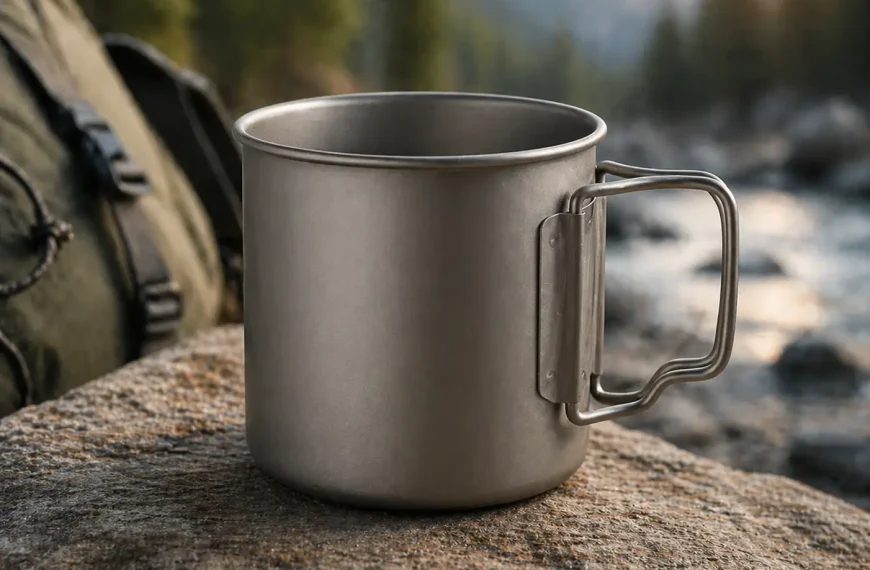
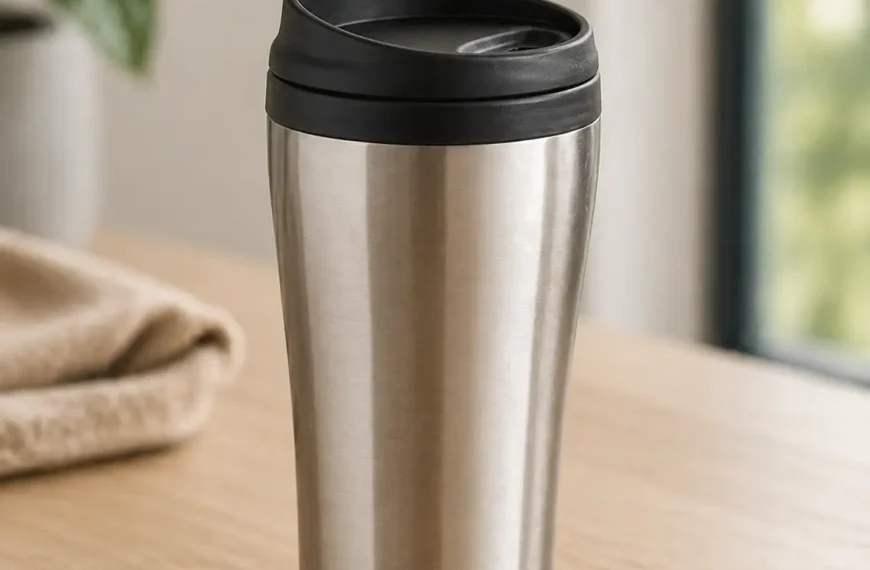
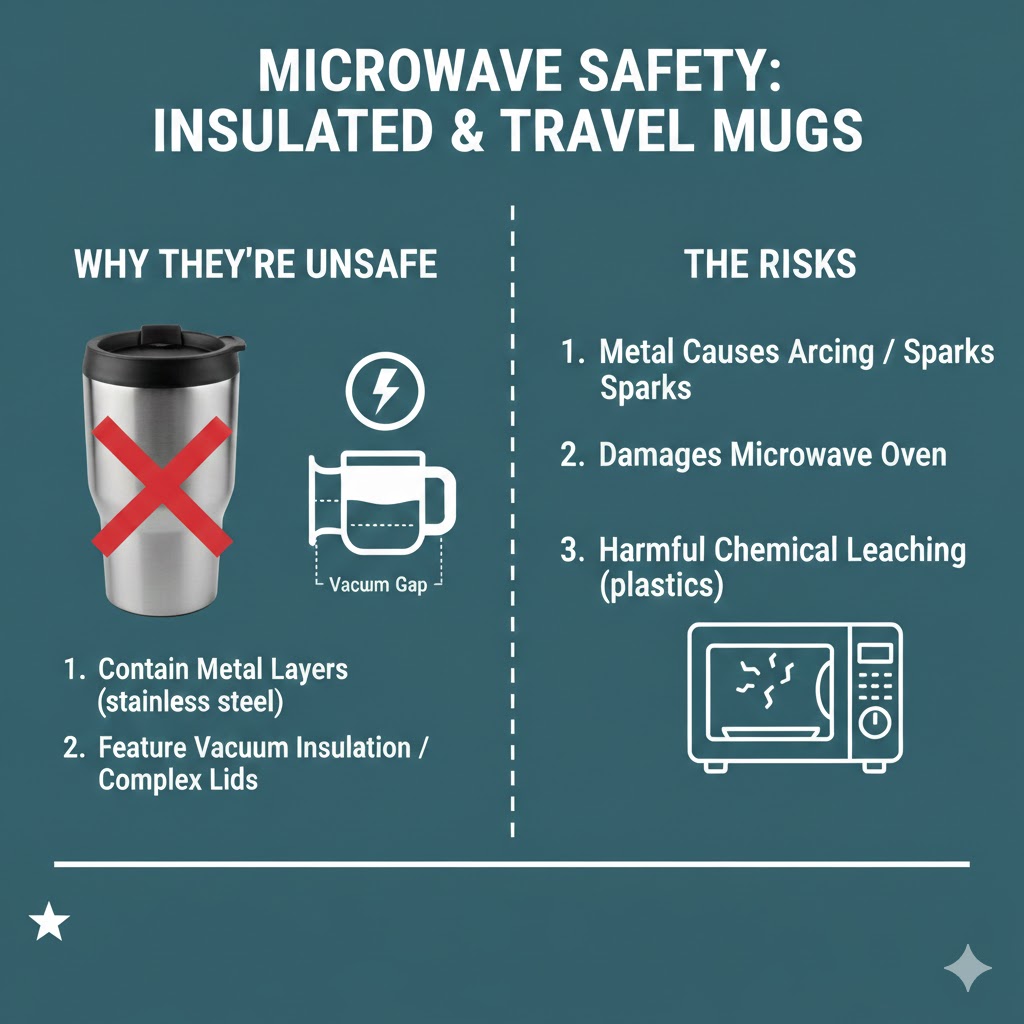
Travel mugs and insulated mugs are usually unsafe in the microwave because many contain stainless steel layers, vacuum insulation, or complex lids and seals that are not microwave-compatible. The microwave environment is designed for non-metallic containers, and metal components violate the core compatibility rule.
The key is to treat “insulated” as a red flag until proven otherwise by the manufacturer.
Are insulated mugs microwave-safe, or can they be damaged?
Insulated mugs can be damaged in a microwave because many use metal liners or vacuum structures that should never be microwaved. Even when the exterior looks like plastic, hidden metal or thin stainless layers can still reflect microwaves and create arcing risk.
If you cannot confirm “no metal” and a microwave-safe label, do not microwave it.
Can you microwave a Yeti mug (or Hydro Flask/Stanley)?
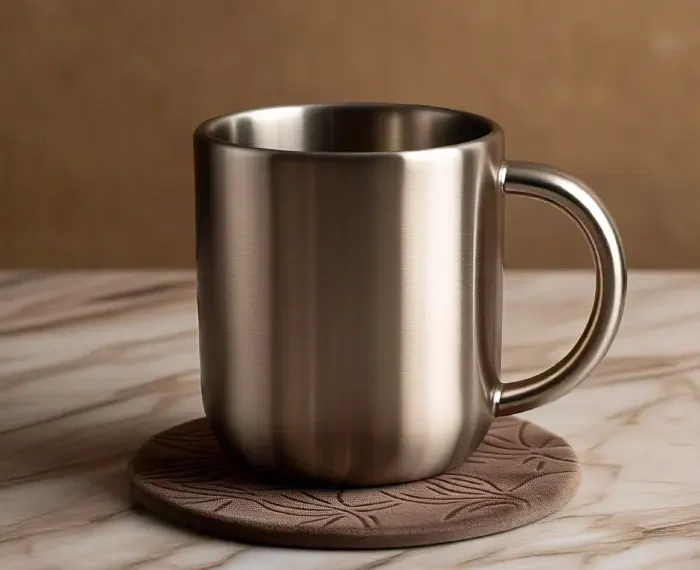
A YETI stainless, vacuum-insulated vessel is not microwave-safe, and YETI explicitly warns “Do not microwave” for 18/8 stainless insulated products, stating fire or personal injury can occur.
That manufacturer warning is enough on its own to end the decision.
Can you microwave a travel mug with a stainless-steel layer or liner?
A travel mug with a stainless-steel layer or liner is not microwave-safe because metal reflects microwaves and can spark or damage the oven. The FDA describes metal as a reflective material in microwave ovens, which is the underlying reason stainless-lined travel mugs are a “no.”
If the product is marketed as “stainless-lined,” keep it out of the microwave even if the outside is plastic.
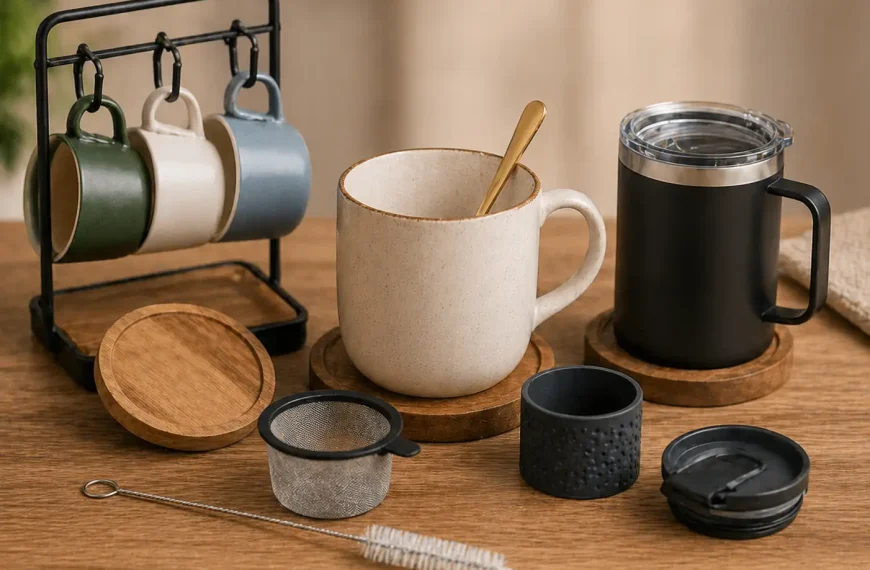
Can you microwave a mug with a lid, silicone gasket, or sliding seal?
A mug with a lid and gasket is only microwave-safe when the manufacturer says the entire assembled configuration is microwave-safe, because sealed or semi-sealed lids can trap steam pressure and create sudden venting or spills. The safest approach is to vent the lid as instructed or remove it when the product directions allow.
If the lid is not microwave-rated, remove it before heating and never heat a fully sealed mug. (FSIS)
Are silicone sleeves, grips, or cork bases microwave-safe?
A silicone sleeve is often heat-tolerant, but a sleeve can hide moisture against the mug and create uneven heating, and a cork base introduces adhesives and layered materials that are not a reliable microwave match. Thermal shock and moisture-trapping are the practical issues, not silicone “melting” as the default fear.
If the mug has a fixed cork base or glued sleeve, treat it as not microwave-safe unless the maker explicitly states otherwise.
Are reusable stirrers and teaspoons safe to leave in the mug?
Metal teaspoons and stirrers are not safe to leave in a mug in the microwave because metal reflects microwaves and can trigger arcing. The FDA’s description of metal reflecting microwave energy is the core reason to keep metal utensils out of the microwave cavity.
Use a non-metal stirrer if you need to stir between heating bursts.
How can you tell if a mug is microwave-safe before you use it?
You can screen a mug before use by combining label inspection with a controlled heat-check that is designed to reveal “mug absorbs energy” problems without stressing the mug for long periods. This section is about risk control: you want a short test that highlights red flags like rapid mug heating, arcing, or odours.
If the mug is old, unlabelled, heavily decorated, or already cracked, skip testing and use a known microwave-safe container instead. (Illinois Extension)
What is the safest at-home “water test” to check if a mug is microwave-safe?
The safest at-home test is a short, water-based test that checks whether the mug heats unusually compared with water. There are 4 steps:
- Fill a microwave-safe cup with water and place it next to the empty mug you are testing.
- Microwave on high for about 1 minute, then carefully touch the mug and the water cup.
- Pass condition: the water is hot and the mug stays cool or only mildly warm.
- Fail condition: the mug is warm or hot to the touch, which is a signal to stop using it for microwaving.
(South Carolina State Library)
When is the “water test” misleading or unsafe to rely on?
The water test is misleading when it fails to trigger the mug’s actual failure mode, which is often cracking after longer heating or after repeated cycles rather than immediate heating. It also does not reliably detect hidden metal layers, because some metal components do not arc every time in a short test but remain unsafe.
Treat a “pass” as a limited screening result, not a certification, and still rely on labels and the no-metal rule.
What should you do if the mug has no label or an unknown origin?
An unknown-origin mug should be treated as not microwave-safe, because you have no verified information on materials, glaze system, or decoration. There are 3 safe options:
- Use a known microwave-safe glass or ceramic container with a clear microwave-safe mark.
- Reheat in a microwave-safe bowl and pour into the mug after heating.
- If you still want to evaluate it, limit yourself to the short water test and stop at any sign of odour, unusual heating, or surface damage.
Can you microwave a mug when it’s empty?
An empty mug should not be microwaved because the microwave needs something to absorb energy, and running a microwave empty can damage the oven. The USDA food-safety guidance explicitly states that operating the oven empty can cause damage, and GE also warns not to operate a microwave while empty due to damage risk and potential fire risk.
If you need to warm the mug itself, do it indirectly by heating water, then letting hot water sit in the mug briefly.
What are the main safety risks when microwaving mugs?
The main risks are burns, arcing, and breakage, and each one has a different trigger. Microwave ovens are built so energy stays in the cavity, but user-facing safety is still dominated by heat and materials compatibility rather than leakage from a compliant, undamaged door system.
Knowing which risk you are facing helps you choose the right corrective action.
Why does my mug get hotter than the liquid in the microwave?
A mug gets hotter than the liquid when the mug material absorbs enough energy and then holds heat in the walls, while the liquid temperature rise looks smaller or feels less intense at the surface. That effect is more common in thicker, denser mugs and in mugs that already contain moisture in a porous body or in micro-cracks.
It is also amplified by how microwaves heat unevenly and create hot spots, which can concentrate heat in parts of the mug.
Why do some mugs spark (arcing) in the microwave?
Mugs spark when they contain metal or metallic decoration that reflects microwaves and concentrates electrical effects, producing visible arcing. The FDA explains that microwaves do not pass through metal in the same way they pass through glass or many plastics, which is the core compatibility reason that metal in a mug is a microwave “no.”
If arcing happens once, treat the mug as not microwave-safe.
What happens if you accidentally microwave a mug with metal?
A mug with metal can spark, scorch finishes, produce smoke, and damage the oven interior, and the correct response is to stop the cycle immediately and remove the mug only after the sparking stops. The FDA’s safety guidance frames microwave safety around proper equipment condition and correct use, and metal use is one of the classic misuse scenarios that leads to arcing events.
After an arcing event, check the oven cavity and door area for damage before using the microwave again.
Can you microwave a mug of water or milk without superheating?
Superheating is a real microwave risk, where water is heated above its boiling point without forming bubbles and then boils violently when disturbed. A chemistry-education analysis of microwave-superheated water explains that the water can be heated a few degrees above 100°C, and a separate reporting summary of the same phenomenon describes superheating excursions of up to about 20°C (36°F) above the normal boiling point in smooth containers.
There are 4 ways to reduce this risk:
- Use a container with a less perfectly smooth interior, not a pristine, scratch-free mug.
- Heat in shorter bursts and let the mug stand briefly before moving it.
- Stir carefully after heating, not during the hottest moment.
- Avoid overheating small volumes of water for long times.
Can a mug explode or shatter in the microwave?
A mug can crack or shatter when thermal shock stress exceeds what the ceramic or glass can tolerate, especially when moisture is trapped in pores or cracks and flashes into steam. Thermal shock is defined as cracking from rapid temperature change, and ceramics and glass differ in how well they tolerate these rapid shifts.
If a mug has visible cracks, crazing, or an unglazed base that absorbs water, the shatter risk rises during repeated reheating cycles.
What signs mean you should stop microwaving a mug immediately?
Stop microwaving immediately when you see sparks, smell burning plastic or scorched decoration, or notice new cracking sounds, because those are direct signals of unsafe materials interaction or structural failure. The FDA notes that a microwave in good condition will not leak energy in normal use, so visible arcing or burning is not a “radiation” problem; it is a materials compatibility problem happening inside the cavity.
This section is about immediate action, not diagnosis first.
What should you do if a mug sparks or you see arcing?
If arcing happens, the correct action is a short, fixed sequence. There are 5 steps:
- Stop the microwave immediately.
- Keep the door closed for a moment so the event ends without airflow feeding it.
- Remove the mug only after sparking stops and you can do it safely.
- Inspect the mug for any metal trim, foil label, or metallic decal you missed.
- Inspect the microwave cavity and door area for damage before using the oven again.
What does a burning smell from a mug usually mean?
A burning smell usually means one of three things is heating beyond its safe range. There are 3 common causes:
- Burnt food residue on the mug surface or trapped in a lid channel.
- Scorching of a metallic trim or decorative overglaze reacting in the microwave.
- Melting or overheating of plastic parts, adhesives, or vinyl layers.
Is it safe to microwave a cracked or chipped mug?
A cracked or chipped mug is not microwave-safe because cracks and chips concentrate stress and allow moisture to penetrate, which increases thermal shock risk under rapid heating. Thermal shock is a recognised mechanism for cracking in ceramic and glass under rapid temperature change, and damage makes the mug more vulnerable.
Retire cracked or chipped mugs from microwave use even if they used to be fine.
Why do some mugs develop hairline cracks (crazing) or “pinging” sounds?
Crazing and “pinging” are signs of stress in the glaze/body system, often revealed by repeated heating and cooling cycles. Thermal shock is a standard way to describe cracking triggered by rapid temperature changes, and repeated cycles can push a stressed glaze over the edge into visible hairline cracking.
If crazing appears, treat the mug as degraded and remove it from microwave reheating.
When should you discard the mug vs. downgrade it to “cold use only”?
Discarding versus downgrading depends on whether the mug is structurally compromised and whether it has begun to show microwave-specific failure signs. There are 4 downgrade-or-discard rules:
- Discard if there is a through-crack, a sharp chip on the rim, or any piece breaking loose.
- Discard if arcing occurred and you confirm metallic decoration you cannot remove.
- Downgrade to cold use only if crazing is cosmetic but stable and you stop all reheating use.
- Downgrade to non-food use if odours, peeling coatings, or adhesive failures appear after heating.
How do cleaning and ageing change microwave safety?
Cleaning and ageing change microwave safety because the mug you own today is not identical to the mug as manufactured, especially after abrasion, thermal cycling, and small impacts. Everyday wear can open micro-pathways for water into porous zones or cracks, which raises uneven heating and thermal shock risk during microwave reheating.
So microwave safety is a condition of the mug’s current state, not a permanent property.
Can dishwasher wear or abrasive scrubbing weaken glaze or decals?
Dishwasher and scrubbing wear can weaken surface layers by abrasion and by repeated heat exposure, which can accelerate coating breakdown and increase the chance of peeling or surface roughness. Dishwashers combine hot water and detergents, and care labels for dishwasher use are treated as separate from microwave labels because the stress types differ.
If you notice fading, roughness, or lifting at edges of prints or decals, remove the mug from microwave use.
Can absorbed moisture in cracks worsen thermal shock?
Absorbed moisture worsens thermal shock because water expands dramatically when heated and can flash toward steam inside cracks and porous zones, pushing the crack wider. Thermal shock is the mechanism that links rapid temperature change to cracking, and moisture trapped in defects increases internal stress during reheating.
That is why older, crazed, or porous mugs often “fail late,” after many reheats rather than on the first one.
Does reheating coffee or tea in a mug in the microwave change taste, aroma, or texture?
Reheating in a microwave can change sensory quality because microwaves commonly create uneven heating patterns and hot spots, which affects aroma release and perceived bitterness even when the drink is brought back to a “drinkable” temperature. USDA guidance also notes that microwave cooking can heat unevenly and leave cold spots, which is the same heating behaviour that drives uneven temperature distribution in beverages.
The practical outcome is not a safety failure of the mug, but a quality change in the drink.
Why reheated coffee can taste “stale” or more bitter (aroma loss, uneven hot spots)
Reheated coffee can taste flatter because aromatic compounds are volatile and are driven off faster when parts of the drink are overheated. Microwave heating’s unevenness means one zone can overshoot while another stays cooler, which changes how the drink smells and tastes when you take the first sip.
Stirring and using shorter heating bursts reduces that unevenness.
What microwaving does to milk in mugs (protein/foam changes, scalded notes, uneven heating)
Milk quality changes when hot spots push parts of the milk toward scalding temperatures while the overall mug still seems “not that hot.” Uneven heating is a known microwave behaviour, and it is the simplest explanation for why milk tastes scorched at the surface even when the bulk volume is not uniformly hot.
Lower power and shorter bursts reduce hot-spot formation.
Best-practice reheating for flavour (lower power, shorter bursts, stirring/rest time, covered vs. uncovered)
Better flavour control comes from controlling uneven heating, not from chasing a single “safe” time. There are 5 practices that reliably improve outcomes:
- Use lower power and heat in short bursts.
- Stir between bursts to redistribute hot zones.
- Let the mug rest briefly before stirring and drinking.
- Avoid fully sealed lids when heating to prevent pressure and splatter.
- If the mug is not clearly microwave-safe, heat in a known-safe container and pour into the mug after heating.
Safe microwaving, reduced to a checklist that works
Microwave safety in mugs comes down to verifying compatibility, removing metal and heat-unstable add-ons, and stopping at the first red flag. There are 7 rules that cover nearly every real kitchen scenario:
- Use only mugs with a clear microwave-safe label from the manufacturer.
- Treat any metal trim, metallic paint, or shiny luster finish as “do not microwave.”
- Keep stainless-lined and vacuum-insulated drinkware out of the microwave, and follow the maker’s “do not microwave” warning.
- Do not run the microwave empty; always heat with liquid or food present.
- Use the short water test only as a screening tool, not a certification.
- Stop immediately if you see arcing, smell burning, or notice new cracking or crazing.
- Retire damaged mugs from microwave reheating, even if they used to behave well.
Adherence to these seven protocols ensures that the thermal and electromagnetic resilience of your vessel aligns with the safety expectations of all modern mugs.