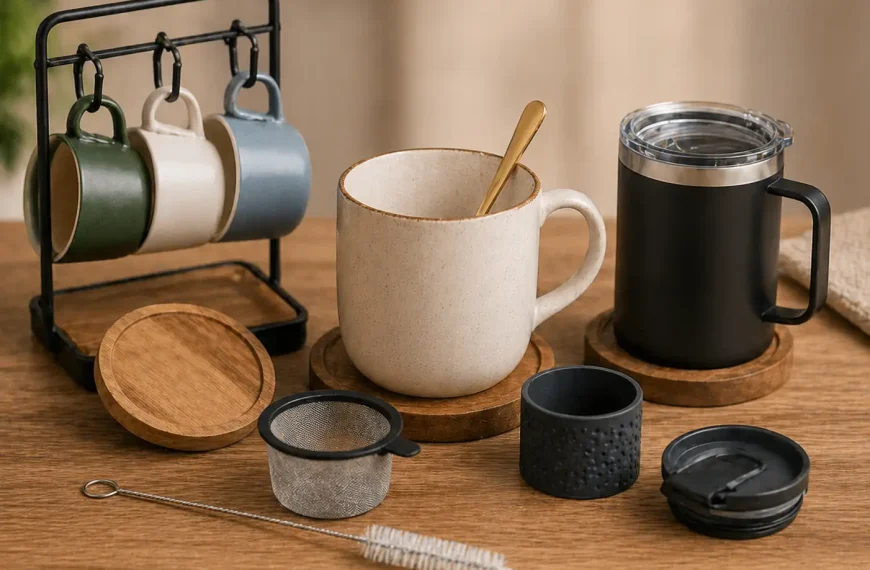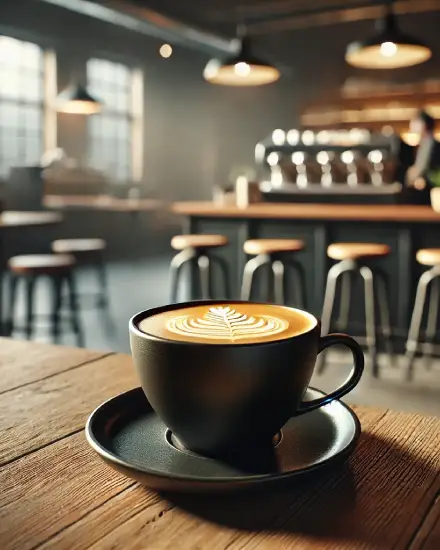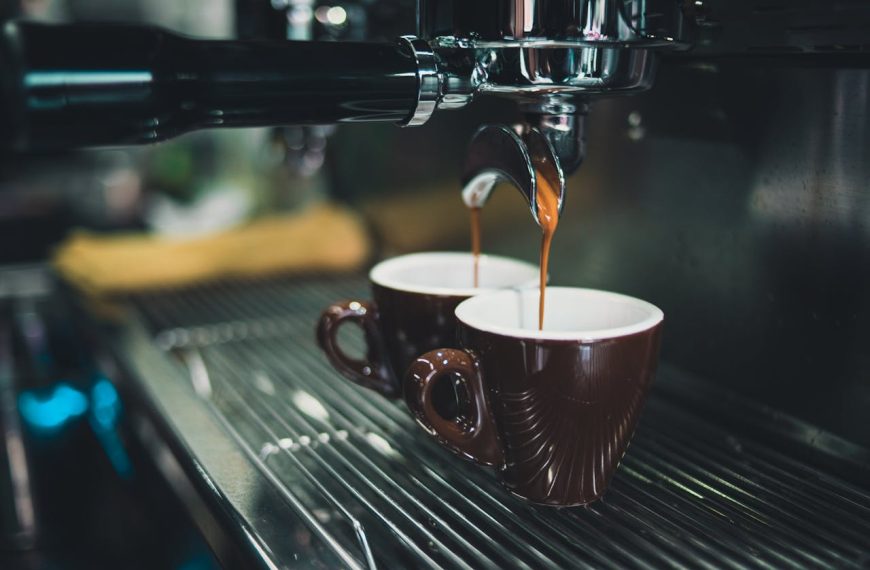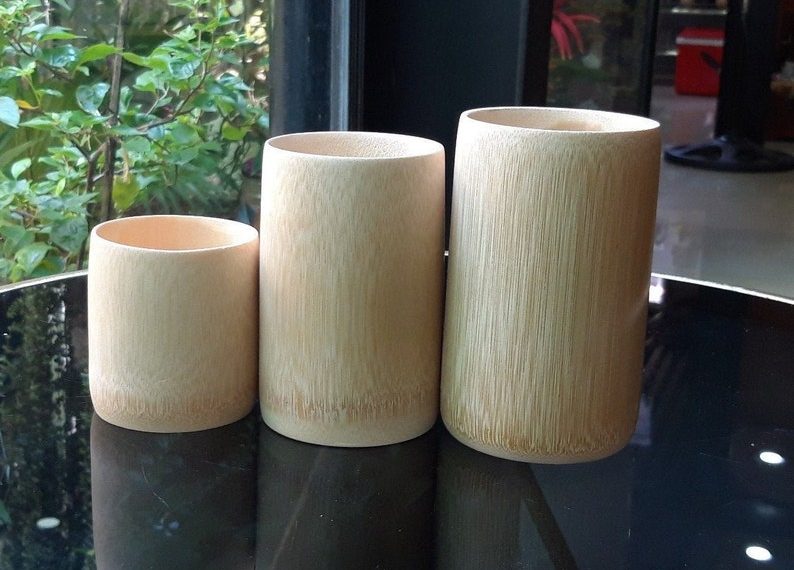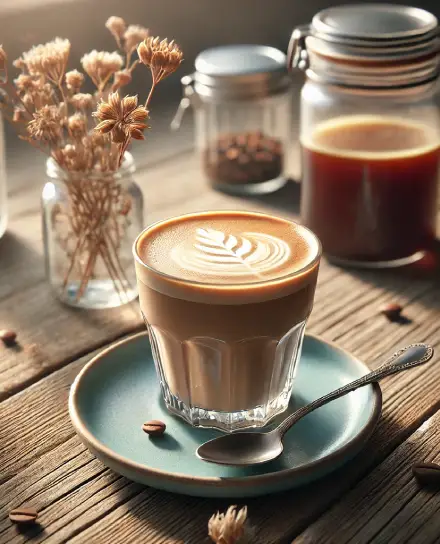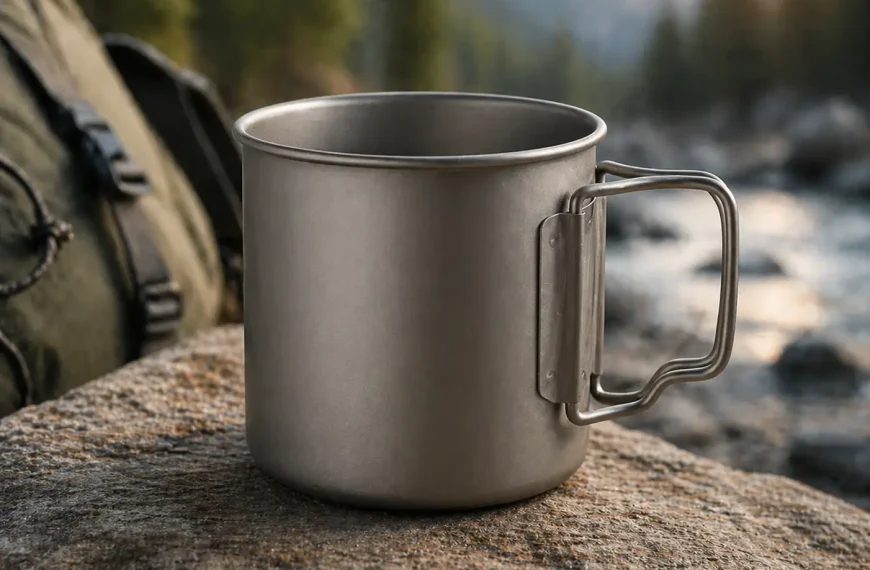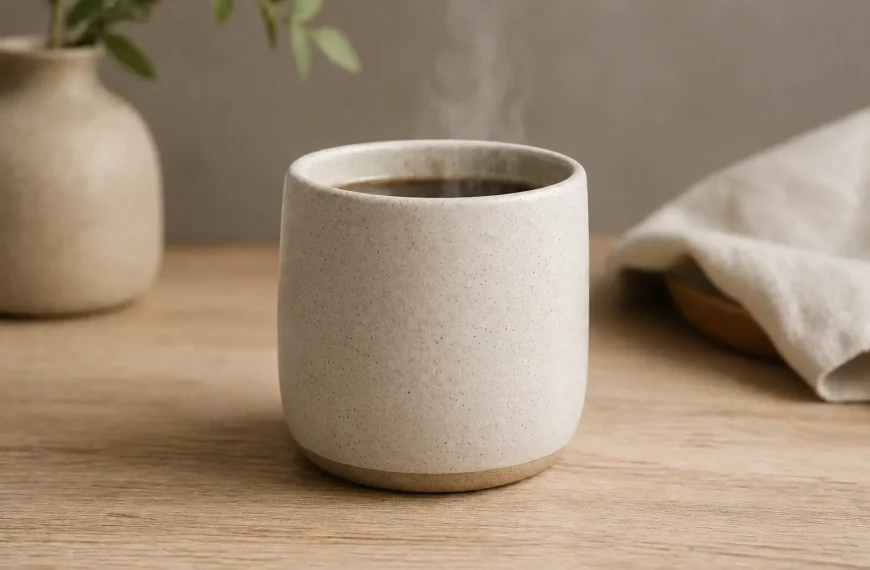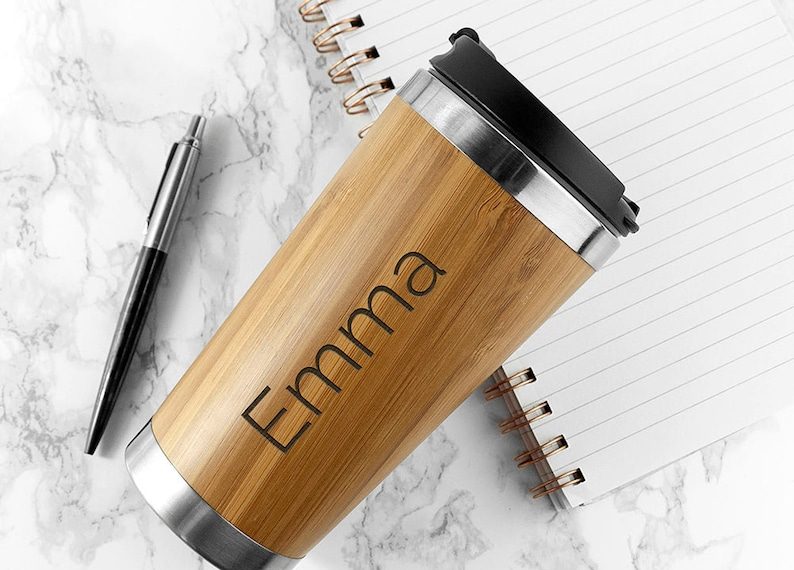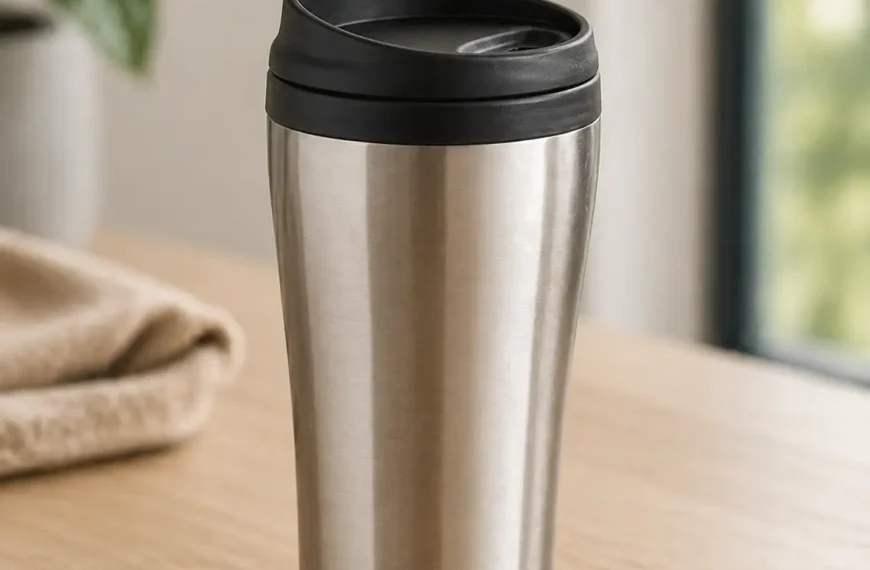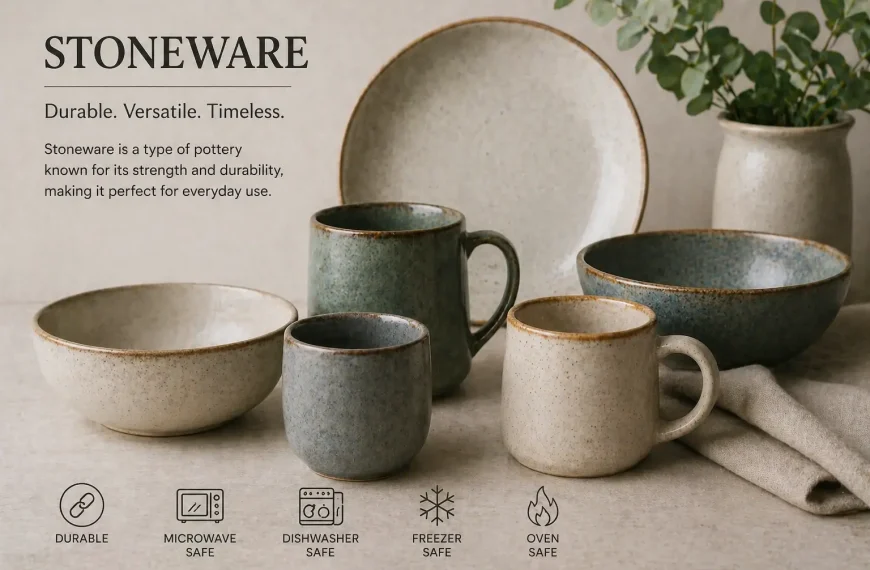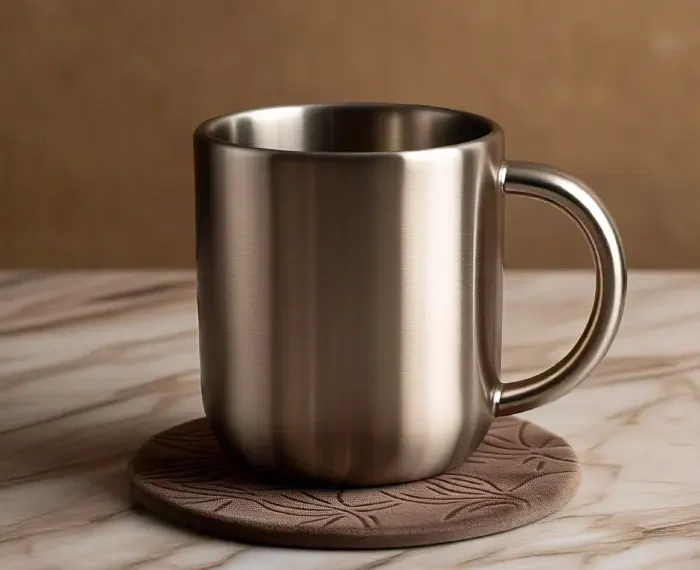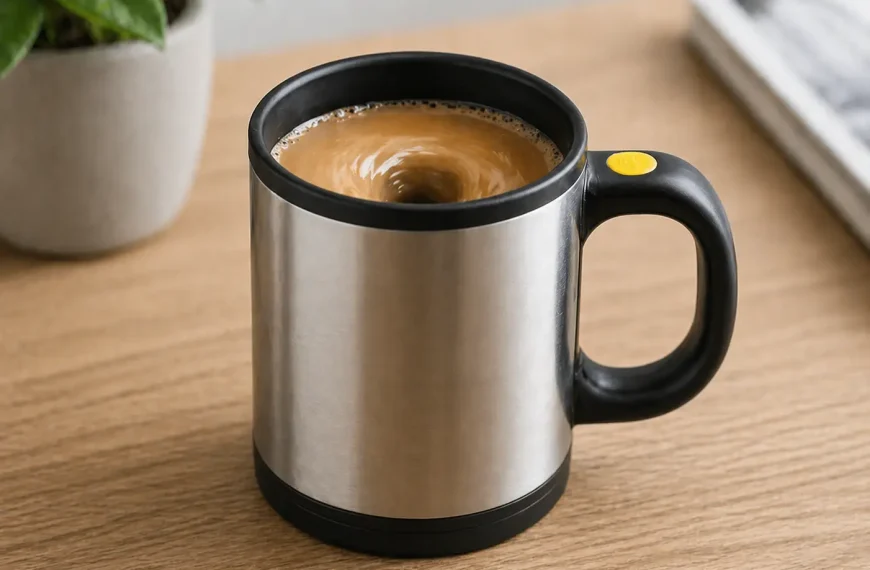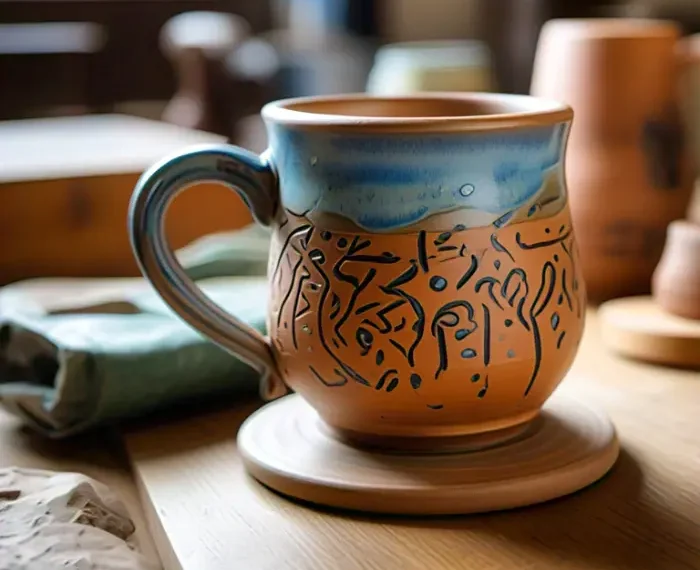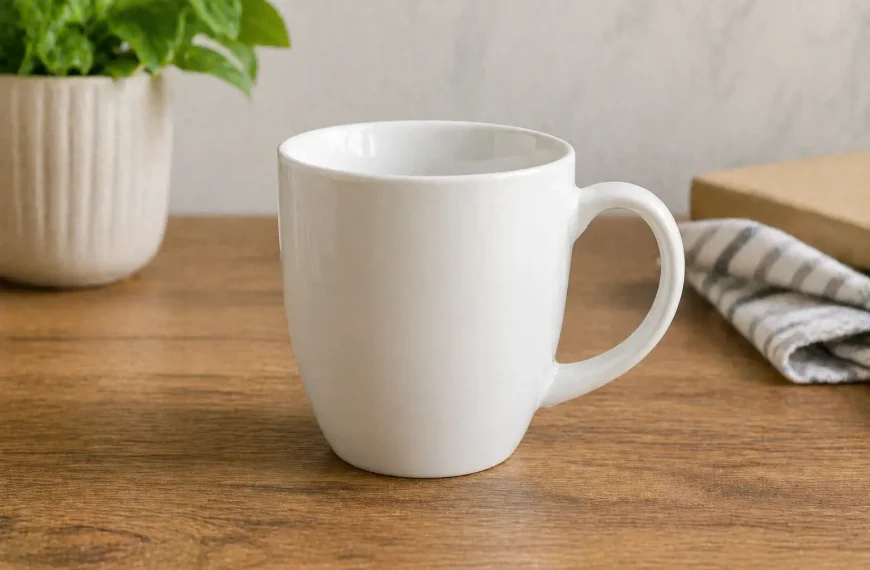

Non-mug drinkware covers drinking vessels used for consumption that sit outside the “mug” design intent, mainly by removing or minimizing the mug’s handle-plus-large-hot-drink format and replacing it with cup geometry, glassware shapes, or sealed portable formats. The baseline split starts with the cup vs mug distinction: cups commonly stay smaller and more formal in setting, while mugs are built around a larger hot-beverage portion and a handle-first grip. A coffee cup sits closer to the “formal cup” end of that spectrum, while mugs sit closer to the “casual hot-drink workhorse” end, and that gap shows up again when separating teacups from coffee cups by rim and bowl profile rather than by decoration.
From there, non-mug drinkware branches into functional families with clear size conventions. “Flat-base” glasses and tumblers cover everyday cold drinks and mixed drinks, where a highball commonly runs about 8–12 oz and a Collins about 10–14 oz, and that sizing maps directly to how much mixer and ice the vessel is built to hold. For spirits, the scale compresses hard: a “standard” shot is often treated as 1.5 oz (44 mL). Beer glassware adds regional sizing that mugs do not cover cleanly: a US liquid pint is 16 US fl oz (about 473 mL), an imperial pint is 20 imp fl oz (about 568 mL), and a schooner in most Australian states is 425 mL. Stemware then becomes its own branch because the design goal is heat isolation at the grip and aroma handling at the bowl, which is why wine glasses and champagne flutes diverge by bowl shape rather than by insulation.
The modern “replacement” path for mugs shows up in portability and sealing. A travel cup keeps the sip-lid and carry function but drops the handle that defines a travel mug, and the category tightens further when separating a tumbler from a cup by compatibility with lids, straws, and insulation, then separating a travel mug from a tumbler by handle presence and lid style. Disposable and developmental vessels widen the boundary again, where material choices become part of the drinkware definition, not just the look: one controlled study measured 723–1,489 microplastic particles per cup after 5 minutes of hot-water contact in plastic cups. And when the comparison shifts to reuse, a UNEP review of beverage-cup LCAs reports breakeven points ranging from 10 to 670 uses, depending on materials and washing assumptions. These diverse vessel formats represent the primary hardware tier of our Related Products catalog, which also archives the accessories and preparation systems used across different drinkware types. With that taxonomic frame in place, the next step is the boundary question: the anatomical and material criteria that classify a vessel as “non-mug” drinkware in practical drinkware terms. (Wikipedia)
What counts as a “drinking vessel other than a mug” in drinkware terms?
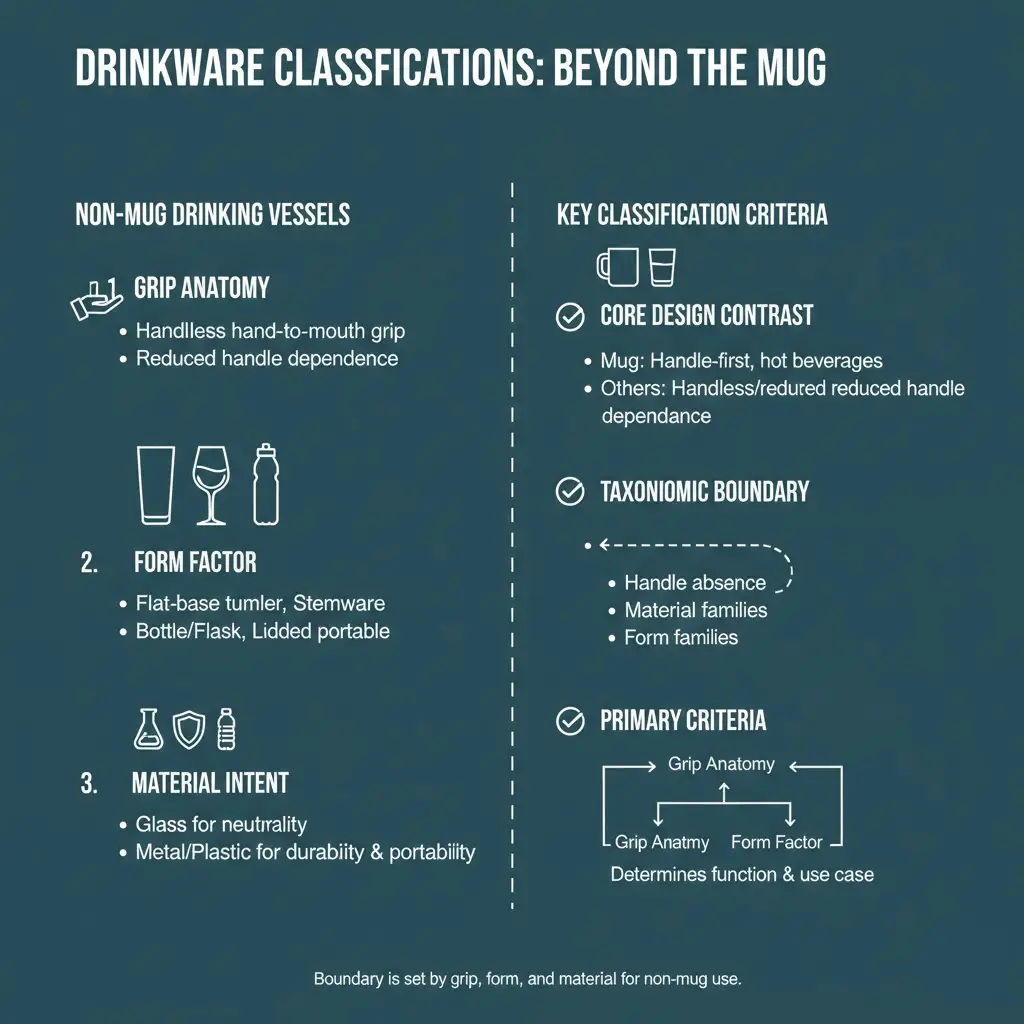
Non-mug drinkware covers personal vessels for direct drinking that do not follow the mug’s core design pattern: a large open cup built around a handle-first grip for hot beverages. In practice, the taxonomic boundary is set by handle absence or reduced handle dependence, plus the material and form families that dominate non-mug use. There are 3 primary classification criteria used in most drinkware catalogs and bar standards:
- Grip anatomy (handleless hand-to-mouth grip vs handled grip)
- Form factor (flat-base tumbler, stemware, bottle/flask, lidded portable)
- Material intent (glass for neutrality, metal/plastic for durability and portability)
What is the difference between a cup and a mug?
A cup is a smaller open drinking vessel that is usually chosen for portion control and formal table service, while a mug is built around larger hot-drink volume and handle-driven ergonomics. This distinction matters beyond “style” because vessel geometry can change the drinking experience: a controlled specialty-coffee field experiment with 276 participants found cup shape changed sensory ratings, with aroma rated strongest in a tulip-shaped cup and sweetness and acidity rated more intense in a split cup. (ScienceDirect) The practical takeaway is simple: cup vs mug is a baseline split in the “non-mug” vector because cups are where shape-first design becomes the primary driver, not handle-first grip.
What is the difference between drinkware and a mug?
Drinkware is the parent category that includes all vessels used to hold liquid for drinking, while a mug is one sub-type inside that larger category. The relationship is one-way: all mugs are drinkware, but drinkware also includes cups, tumblers, stemware, bottles, flasks, and ceremonial vessels. This is why “drinkware” and “beverageware” often appear as interchangeable retail and hospitality terms for the broader set.
What is a cup without a handle called?
A cup without a handle is commonly classified by form rather than by “cup” alone, and the most common labels are tumbler and beaker. A tumbler is a flat-bottom drinking vessel used for casual drinking, while a beaker is typically a straight-sided cup-like vessel that borrows the lab shape language (and sometimes the name). For a clear cultural anchor, a yunomi is a Japanese teacup that is handleless and typically ceramic, used for everyday tea.
What does “drinking vessel” mean and what is another word for it?
A drinking vessel is a container designed to hold liquids for human consumption. For semantic variety, common synonyms include vessel, container, and receptacle, and in specific contexts chalice can function as a ceremonial synonym. The key practical distinction is that “drinking vessel” is a function label, not a material label.
What is the difference between barware and drinkware?
Barware is the broader set used for preparation and service, including tools and service pieces, while drinkware focuses on consumption vessels. A shaker tin, jigger, and strainer are barware, while the highball glass, coupe, and rocks glass are drinkware. This matters in catalogs because barware often covers both making and serving, while drinkware is the “what the person drinks from” category.
What are the different types of drinking glasses and tumblers?
Glasses and tumblers form the flat-base family of non-mug drinkware, built for stable placement, fast pouring, and easy stacking. Glass is widely used here because it is visually transparent and typically treated as a neutral material for beverage presentation. Within this family, sizing conventions act like a shorthand for use, especially for mixed drinks and water service.
What is the difference between a tumbler and a glass?
“Glass” is often used as a material term, while “tumbler” is a shape/form term for a flat-bottom drinking vessel. Many tumblers are made of glass, but modern tumblers can also be stainless steel or plastic in portable contexts. In drinkware language, “tumbler” tells you the profile and handling style more than the substance.
What is a highball glass vs. a Collins glass?
A highball glass is generally shorter and used for simple mixed drinks, while a Collins is generally taller, used for longer drinks. A common size convention is 8–12 oz for a highball and 10–14 oz for a Collins, which matches typical ice plus mixer builds. The overlap is real, but the intended use is still distinct: Collins is often picked when the drink needs more volume without increasing width.
What is a lowball glass (Old Fashioned / Rocks glass)?
A lowball is a short tumbler used for spirits neat or on ice and for built-in-the-glass cocktails. A widely cited capacity range for an Old Fashioned glass is 6–8 oz, and the thick base is designed to tolerate muddling. This is a non-mug alternative because it prioritizes hand feel and spirit concentration over heat retention and handle comfort.
What is an iced tea glass vs. a juice glass vs. a water glass?
These glasses diverge mainly by volume and height, because the beverage load and ice expectation differ. Iced tea is typically served in a taller, larger glass to accommodate ice and dilution, while juice glasses are often smaller and narrower. Water glasses tend to sit in the middle because the goal is repeatable table service without overfilling.
What is a whiskey tumbler?
A whiskey tumbler is a low, stable vessel designed for nosing and sipping, often overlapping with the rocks-glass profile. It keeps the surface open enough to allow aroma release while still being comfortable for a neat pour or a few cubes. For aroma-focused tasting, dedicated shapes like tulip-style tasting glasses are often chosen instead of a straight tumbler.
What is a shot glass and what is it used for?
A shot glass is a small measure and serving vessel for spirits. A widely used US reference point is 1.5 US fl oz (about 44 mL) for a “single shot,” while acknowledging that shot sizes vary by region and venue. This is non-mug drinkware by design because it is measure-first, not comfort-first.
What are standard glass and tumbler sizes in ounces?
Sizing conventions vary, but in common bar and table service, a quick reference list often includes 2 oz (shot), 8 oz (small water/juice), 12 oz (highball zone), and 16 oz (large water or mixing pint). Two of the most repeated size anchors are the 6–8 oz rocks glass and the 8–12 oz highball range, which map directly to typical ice and pour structures. For everyday water at the table, many service standards land in the 12–16 oz range because it avoids constant refills while staying comfortable in the hand.
Which wine and spirits-focused vessels (Stemware) are used instead of mugs?
Stemware exists to separate hand heat from the bowl and to manage aroma and carbonation through bowl geometry. This is why mugs are a poor fit for most wine and spirits service: the mug grip warms the liquid and blocks the aroma strategy built into stemware.
What is the difference between a wine glass and a champagne flute?
A wine glass is built for aeration and aroma release, while a champagne flute is built to preserve carbonation by reducing exposed surface area. This geometry difference is not just tradition: a controlled study with 181 untrained volunteers found that odor intensity ratings were strongest for a bulbous glass, and that perceived wine odors changed by glass shape even when the glasses had identical height and comparable opening diameters. That finding supports why stemware splits by bowl shape and why mugs are out-of-scope for most aroma-driven wine service. (ScienceDirect)
What is the difference between a champagne flute and a champagne coupe?
A coupe is wide and shallow, while a flute is tall and narrow, and the functional trade-off is oxygen contact and bubble retention. A wider coupe increases oxygen-to-wine interaction, which some service guidance connects to how the wine evolves in-glass, while flutes are widely described as better at preserving carbonation. The practical point is that both are non-mug drinkware because they are carbonation and aroma tools, not comfort vessels.
What is a martini glass vs. a margarita glass?
A martini glass uses a V-shape bowl designed for chilled, strained cocktails, while a margarita glass often has a double-bowl profile that supports salted rims and larger blended or shaken builds. The distinguishing factor is the rim and bowl geometry, not insulation. Both sit firmly in the non-mug category because stemware structure is doing the work.
What is a snifter and how is it different from a brandy snifter?
A snifter is a short-stem vessel with a wide bowl designed to concentrate aroma near the rim. A brandy snifter is a specific snifter variant commonly associated with brandy service. The functional intent is aroma concentration, which is a different design problem than mug-based heat comfort.
What is a goblet used for?
A goblet is a sturdy, bowl-style vessel often used for water service and sometimes for wine in broader dining settings. It is typically larger and more robust than delicate wine stemware, trading finesse for durability. In taxonomy terms, it sits between casual drinkware and formal stemware.
What is a copita glass?
A copita is a small stemmed tasting glass used in sherry and spirits contexts to focus aroma and support controlled sipping. It is used as a tasting tool, not as a volume container. In networks, it belongs with stemware because heat isolation and aroma handling define its role.
Which beer vessels are commonly used instead of mugs?
Beer glassware is broad, and the key boundary here is simple: handled beer steins and tankards drift back toward “mug-like” design, so this zone focuses on non-handled beer vessels. Beer shapes often target foam control, aroma release, and serving tradition rather than heat retention.
What is a pilsner glass vs. a wheat beer glass?
A pilsner glass is typically tall and tapered to showcase clarity and support a stable head, while a wheat beer glass (Weizen) is taller with a curved profile that supports wheat beer foam and aroma. The shape reflects beer style needs, not mug ergonomics. This is why these glasses remain strong non-mug alternatives even when beer mugs exist.
What is a pint glass used for?
A pint glass is a high-utility beer and mixed-drink vessel. A key size distinction is that a US pint is 16 US fl oz (about 473 mL) while an imperial pint is 20 imp fl oz (about 568 mL). This matters in taxonomy because “pint glass” is a size concept as much as a shape concept.
What is a schooner glass used for?
A schooner is a regional beer-serving standard in Australia and parts of the UK and US, but the Australian anchor is clear: a schooner is commonly treated as 425 mL in most Australian states. The usefulness of this vessel is portion control and service consistency, not insulation.
What is a yard glass vs. a beer boot?
A yard glass is a tall novelty vessel tied to drinking challenges and social rituals, while a beer boot is a boot-shaped novelty glass used for spectacle. These vessels exist because of event culture, not because they solve ergonomic comfort. They are still non-mug drinkware because they are handle-independent.
Which hot-drink vessels are used instead of mugs?
Hot-drink non-mug vessels cluster around ceramic and glass cups, including teacups, coffee cups, cappuccino cups, espresso demitasse, and heat-safe footed glass. The key design difference from mugs is that these vessels prioritize portion size, rim geometry, and aroma delivery, with handle use ranging from none (yunomi) to small ornamental handles (many teacups). One well-cited review notes the global scale of coffee consumption at about 400 billion cups per year, while also stressing that the properties of the receptacle measurably influence coffee experience.
What is a teacup and how is it different from a coffee cup?
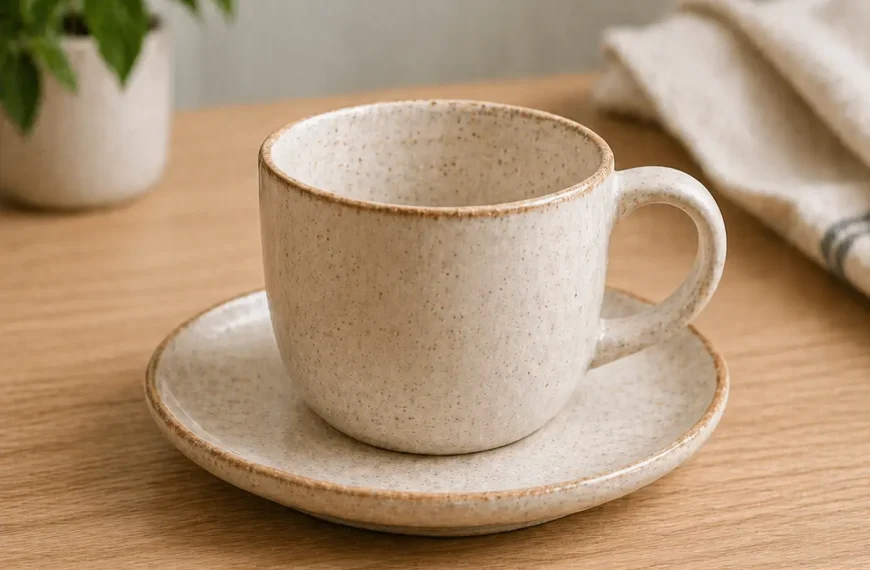
A teacup is typically designed with a wider rim and shallower bowl to cool tea to sip temperature faster, while many coffee cups are relatively taller to support aroma concentration and heat retention. The distinction is not decorative; it is functional geometry tied to how the drink is sipped. Teacups also cluster around more formal place settings, while coffee cups span from formal service to café standards. In taxonomy, both are non-mug hot-drink vessels because they shift the design center from handle-plus-volume to rim-plus-portion.
What is a coffee cup and how is it different from a mug?
A coffee cup generally sits in the “portion and service” zone, while a mug sits in the “large, casual, hot-drink comfort” zone. The difference is visible in café sizing conventions: one Australian coffee supply reference lists cappuccino at about 180 mL (6–8 oz) and espresso at about 90 mL (2–3 oz) as typical cup targets. The point is not that every cup matches a single number, but that coffee cups are designed around standardized beverage portions, while mugs are designed around broader personal volume preference.
What is a cappuccino cup vs. a regular coffee cup?
A cappuccino cup is designed with a bowl profile that helps maintain a stable foam cap, and in café sizing it often lands around 180 mL (6–8 oz). A “regular coffee cup” can span smaller espresso cups up to longer black-coffee cups, depending on service style. The functional split is foam management and portion, not insulation.
What is a demitasse cup used for?
A demitasse is a small cup used for espresso, and a common capacity anchor is about 60–90 mL. It exists because espresso is concentrated and served in small volumes, making a mug unnecessary and often undesirable. This is why demitasse is a strong non-mug line in hot-drink drinkware. (Wikipedia)
What is an Irish coffee glass vs. a toddy glass?
An Irish coffee glass is typically a heat-safe glass designed for hot coffee cocktails and presentation, while toddy glassware often emphasizes heat tolerance and grip for hot mixed drinks. The key is temperature handling and service format, not volume-first drinking. Both are non-mug hot-drink options even when they may include grip features.
Which portable and vacuum-insulated alternatives replace mugs on the go?
Portable non-mug vessels are built around seals, lids, and one-hand use, which changes both ergonomics and thermal performance goals. The practical decision often comes down to 3 competing priorities:
- Leak resistance (cap and seal)
- Sip mechanics (sip lid vs straw lid)
- Carry profile (handleless cup form vs bottle form)
What is a travel cup and how is it different from a travel mug?
A travel cup is an on-the-go cup form that typically stays handleless, relying on body grip and a lid, while a travel mug keeps the mug identity by adding a handle for comfort and stability. The difference shows up in how it fits cup holders and how it is carried, not only in insulation. In practice, travel cups cluster with tumblers because both are lid-first, handle-optional systems.
What is the difference between a tumbler and a cup?
A tumbler is a cup-shaped vessel that is optimized for lid compatibility and everyday carry, increasingly in insulated formats. The modern tumbler is defined less by “glass” and more by its role as a portable drinking cylinder. This is why tumblers have become the default non-mug portable alternative across cold and hot drinks.
What is the difference between a travel mug and a tumbler?
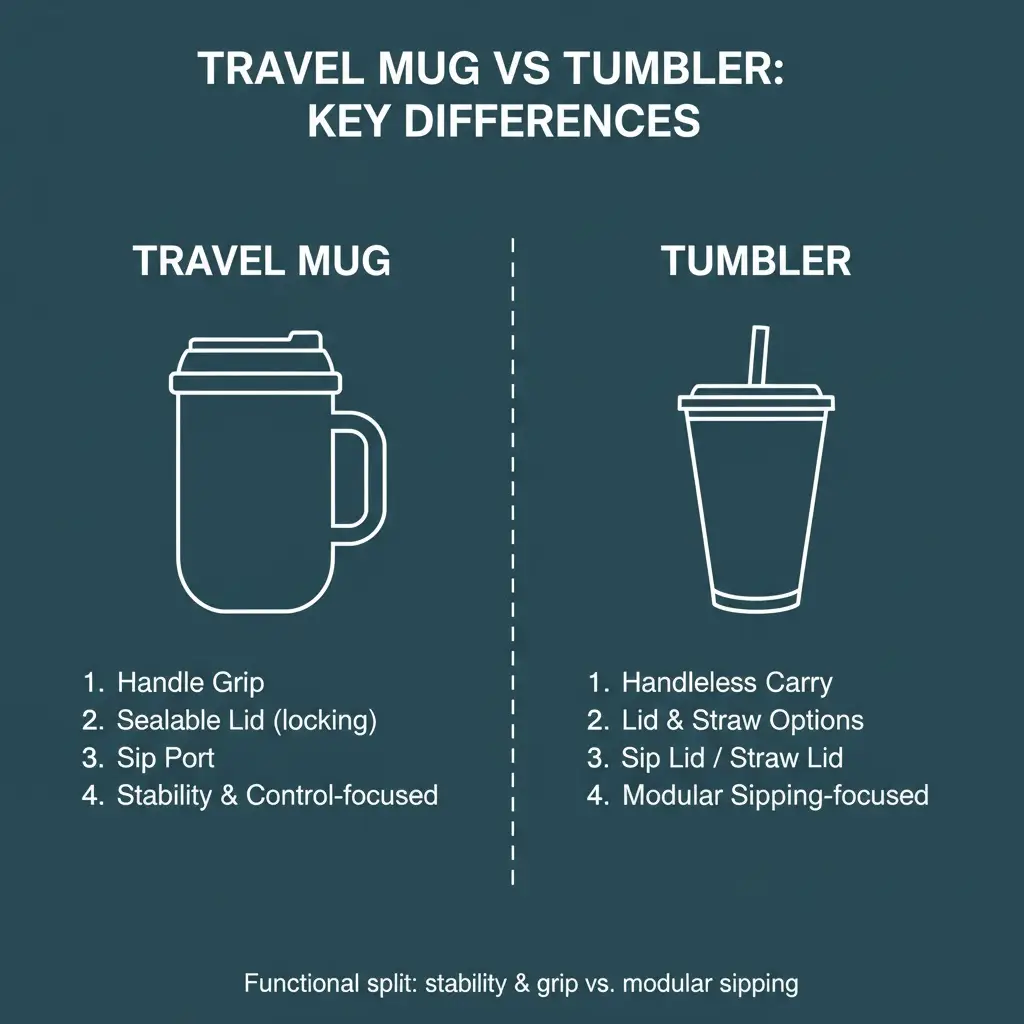
A travel mug emphasizes handle grip plus a sealable lid, while a tumbler emphasizes handleless carry plus lid and straw options. The lid style often diverges because travel mugs are built around sip ports and locking mechanisms, while tumblers commonly support sip lids and straw lids. The functional split is stability and grip versus modular sipping.
What is the difference between a water bottle and a tumbler?
A water bottle is typically cap-sealed and optimized for leak-proof transport, while a tumbler is optimized for frequent sipping through sip lids or straw lids. The practical difference is the seal system: bottle caps prioritize closure under motion, while tumbler lids prioritize sip convenience. This is why bottles dominate bags and tumblers dominate desks and cup holders.
What is a vacuum flask and how is it different from a thermos?
A vacuum flask is the technology category, while “Thermos” is a brand name that became a common eponym in everyday speech. Thermos brand history traces the vacuum flask invention to 1892, with commercial adoption following afterward. (Thermos Brand) In drinkware taxonomy, the important point is that vacuum insulation is the thermal system, while the outer naming varies by brand and region.
What is a flask bottle vs. a travel flask?
A flask bottle is generally higher volume and more bottle-like, while a travel flask leans toward a slimmer profile meant for portability. The functional split is storage versus carry profile. Both are non-mug drinkware because they are sealed containers rather than open cups.
What is the difference between a flask and a canteen?
A flask is often associated with compact personal carry, while a canteen is associated with rugged hydration carry and field use. The distinction is mainly context and capacity expectations rather than a strict material line. Both belong to the portable non-mug family because they are sealed transport containers.
What is a sports bottle vs. a shaker cup (protein shaker)?
A sports bottle is a squeeze or sip hydration bottle optimized for quick drinking, while a shaker cup adds an internal mixing system or strainer design for powders. The functional split is mixing versus hydration. Both are non-mug vessels because they are engineered for movement and closure, not tabletop drinking.
Which traditional and ceremonial vessels are used instead of mugs?
Traditional and ceremonial vessels are non-mug drinkware where cultural form takes priority over modern insulation or convenience. These vessels often encode ritual, shared drinking, or specific beverage customs.
What is a sake cup (Ochoko) and what is it used for?
An ochoko is a small sake cup used for serving and drinking sake in Japanese contexts. One common reference point places “standard ochoko” volume around 54 mL in sake-serving units. (Monsieur Saké) The key is portion and ritual pacing, not heat retention.
What is a mate gourd and what is a bombilla?
A mate gourd is a vessel used for yerba mate, and a bombilla is the filtered straw used to drink it. The functional system is vessel-plus-filtered straw, which is a different design category from mugs and cups. This pair belongs to non-mug drinkware because the drinking mechanics are built around filtration.
What is a chalice and what is it used for?
A chalice is a ceremonial goblet used in ritual contexts, commonly associated with religious service. It is defined by ceremonial role and form, not by beverage temperature performance. In semantic networks, it is a “drinking vessel” synonym only in ceremonial contexts.
What is a quaich?
A quaich is a shallow Scottish “cup of friendship” with two lugs for holding and sharing. It is designed for social ritual and shared drinking rather than individual comfort. The key classification feature is shared ceremony, not insulation or lid function.
Which disposable and developmental vessels are classified as non-mug drinkware?
Disposable and developmental drinkware is non-mug by definition because it is designed for temporary use or learning-to-drink mechanics, not for mug comfort. The classification hinges on material and mechanism: paper or plastic for disposables, spouts and valves for kids’ cups.
What are the most common disposable cup types (Paper vs. Plastic)?
Paper cups are commonly used for hot drinks and rely on liners to resist leakage, while plastic cups are often used for cold drinks and durability in service. The functional split is heat handling and stiffness versus transparency and impact resistance. In taxonomy terms, both sit under non-mug drinkware because they are cup-format service vessels.
What is a sippy cup vs. a kids cup?
A sippy cup is defined by a spout or valve mechanism that controls flow to reduce spills, while a kids cup can be a simpler open cup sized for small hands. The difference is the drinking control system, not the material alone. This is why sippy cups sit closer to bottles in mechanics, even when they look cup-like.
What is a straw cup?
A straw cup is an intermediary design between bottle and tumbler, using a straw or straw-valve to control sip flow. It is common in both kids’ drinkware and adult hydration tumblers. The defining feature is the straw-based sip path.
What is a mason jar cup vs. a standard mason jar?
A mason jar is originally a jar for storage and preserving, while “mason jar cup” usually means a jar adapted for drinking with a straw lid or other drink-through lid. The adapted version is categorized as drinkware because the lid and drinking interface change the use case. This stays non-mug because the form is jar-based, not handle-plus-volume mug-based.
Why do different drinks use different glass shapes?
Drink glass shapes exist because the vessel is part of how the drink is experienced, not just where it sits. The most consistent drivers are aroma delivery, temperature and dilution control, and carbonation retention, and those drivers lead to stable drinkware families like stemware, highballs, and rocks glasses. This is why a mug cannot substitute cleanly for many drinks even if it can physically hold them.
Can you use the “wrong” glass for a drink, or does it matter?
It matters when the drink relies on aroma concentration, carbonation retention, or controlled dilution. A flute preserves bubbles better than a wide coupe because it reduces surface area exposure, and a rocks glass exists because it supports muddling and neat pours within a small volume window like 6–8 oz. Using the “wrong” vessel usually changes the drink’s temperature curve and aroma delivery before it changes the recipe.
What are some common non-mug alternatives for specific beverages?
There are 8 common beverage-to-vessel pairings that show how non-mug drinkware maps to drink needs:
- Espresso: demitasse around 60–90 mL
- Cappuccino: cup around 180 mL (6–8 oz)
- Highball cocktails: highball around 8–12 oz
- Collins cocktails: Collins around 10–14 oz
- Spirits on ice: rocks/Old Fashioned around 6–8 oz
- Shots: 1.5 oz (44 mL) anchor pour
- Australian beer service: schooner 425 mL
- Champagne: flute commonly used to preserve carbonation
How do non-mug vessels (especially disposable cups) change microplastic and chemical exposure, and what practical choices reduce risk?
Non-mug drinkware includes high-use disposable formats, and the main exposure concern is that hot liquid contact can increase particle release from some plastics and lined materials. The risk conversation belongs here because it is a non-mug zone that mugs only partially overlap with. Practical risk reduction focuses on material choice, heat exposure time, and reuse assumptions that actually match real-world habits.
What do recent studies suggest about microplastic release from plastic cups vs. plastic-lined paper cups when filled with hot drinks?
A controlled study reported microplastic abundance reaching 723–1,489 particles per cup after 5 minutes of hot-water exposure in disposable plastic cups, with increases as residence time increased. That is a “hot liquid + time” signal that makes vessel selection a functional choice, not only a sustainability choice. The finding is most useful as a comparative anchor: it tells you that “hot drink in disposable plastic” is not equivalent to ceramic or glass in exposure pathway.
Which factors increase particle release (temperature, polymer type, surface wear), and what “lower-exposure” vessel options do studies and guidance commonly point to?
The same study design points to three practical drivers because it explicitly tested conditions and observed changes. There are 3 operational factors that matter:
- Contact time: longer residence increased release
- Mechanical agitation: shaking during transport increased release
Hot-water exposure: hot conditions were part of the measured release setup
The lower-exposure direction in this context is simple and material-based: shift hot drinks toward inert surfaces like glass and ceramic when practical.
Reusable vs. single-use cups: what do life-cycle assessments say about break-even reuse counts and the key parameters (washing, energy mix, end-of-life)?
Life-cycle results do not produce a single universal reuse number because washing assumptions and energy mix dominate the totals. A UNEP synthesis of beverage-cup LCAs reports break-even reuse counts spanning 10 to 670 uses, depending on the cup type and the modeled washing and disposal conditions. The decision rule is not “always reusable” or “always disposable.” The decision rule is “reuse enough times to cross the modeled break-even for your cup type, under your washing reality.”
Key takeaways that keep the taxonomy clean
Non-mug drinkware is easiest to understand as a set of design families that solve problems mugs do not solve. The cleanest boundary starts at cup vs mug, then expands into flat-base glassware, stemware, beer service standards, hot-drink cups, and sealed portable vessels. When the drink experience depends on aroma or carbonation, shape is doing measurable work, and when the drink format becomes “on the move,” lids, seals, and carry profile become the classification driver, which is why tumblers, bottles, and vacuum flasks replace mugs in modern portable use.