
A Christmas mug functions as a seasonal drinking vessel designed to work reliably as a Christmas gift, combining everyday beverage use with recognisable Christmas-specific decoration and packaging conventions. Most drinkware in this category sits in common mug capacities around 300–400 mL, while European Christmas market mulled-wine cups are often portion-marked at 0.2 L for service consistency.
The category spans ceramic, porcelain, and stoneware bodies, recurring motifs (Santa, reindeer, snowflakes, Nordic patterns, plaid, “Merry Christmas” text), and the winter drink set most often served in mugs (hot chocolate, coffee, eggnog, mulled cider, and mulled wine). It also carries practical safety questions that come up more with seasonal finishes and older glazes, including labelling for microwave and dishwasher use, and heavy-metal migration rules used for ceramics in Europe (for fillable ceramicware: lead 4.0 mg/L, cadmium 0.3 mg/L under Directive 84/500/EEC). This cyclical demand for holiday-specific aesthetics constitutes a major segment of our theme-based mug types index, where emotional value and festive tradition dictate design choices.
Taken together, the topic runs from physical mug definitions and Christmas-market serving formats to gifting mechanics (budget, exchanges, fillers, and personalisation), collecting, and even reuse choices that sit next to single-use holiday cups.
What is a Christmas Mug?
A Christmas mug is a seasonal drinking vessel designed to work as a reliable Christmas gift, usually a ceramic or porcelain cup with Christmas-linked artwork or text. Its role sits in two places at once: it is drinkware for hot seasonal drinks, and it is a “ready-to-gift” object that fits common gift-exchange formats like Secret Santa and mug swaps. The category has a defined scope that spans 6 practical zones: vessel definition and sizing, recurring motifs and typography, the drinks and routines the mug is used for, safety and care labels, gifting and filler mechanics, and collecting or repurposing. Some Christmas-market mugs also function as measured-serve cups, where a fill mark can indicate a fixed pour size for hot drinks sold at markets. The first step is to separate the physical and cultural attributes that make a Christmas mug distinct from general holiday drinkware.
What defines a Christmas mug as a specific drinking vessel?
A Christmas mug is defined by its seasonal semantic design and its use-window, while still being a standard handled drinking vessel in everyday materials like ceramic and porcelain. It differs from a “holiday mug” as a broader label that can include multiple holidays, and from a “festive cup” as a wider category that can include non-mug cups and winter-general designs. In practice, the “Christmas” label often anchors motifs tied to Christmas-specific icons or greetings, while “festive” can stay neutral with winter patterns.
What are the best materials for a Christmas mug?
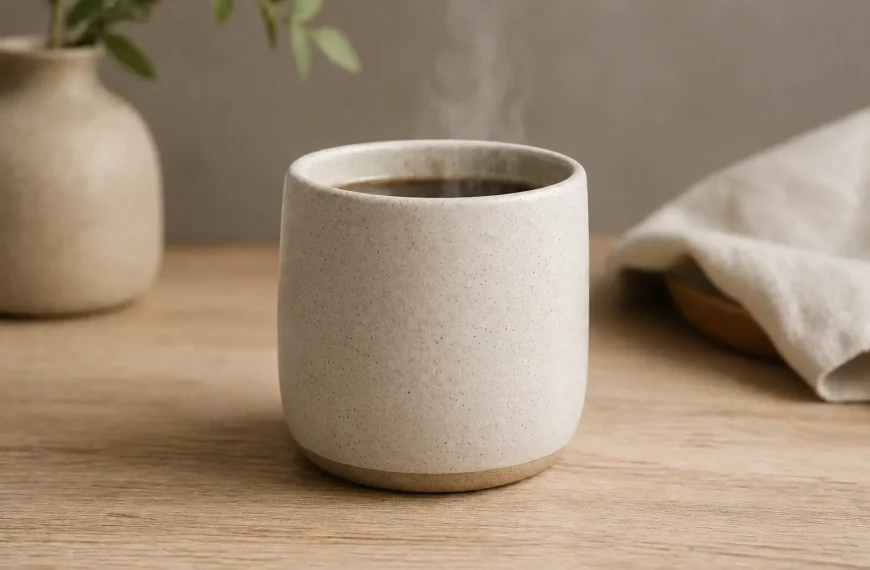
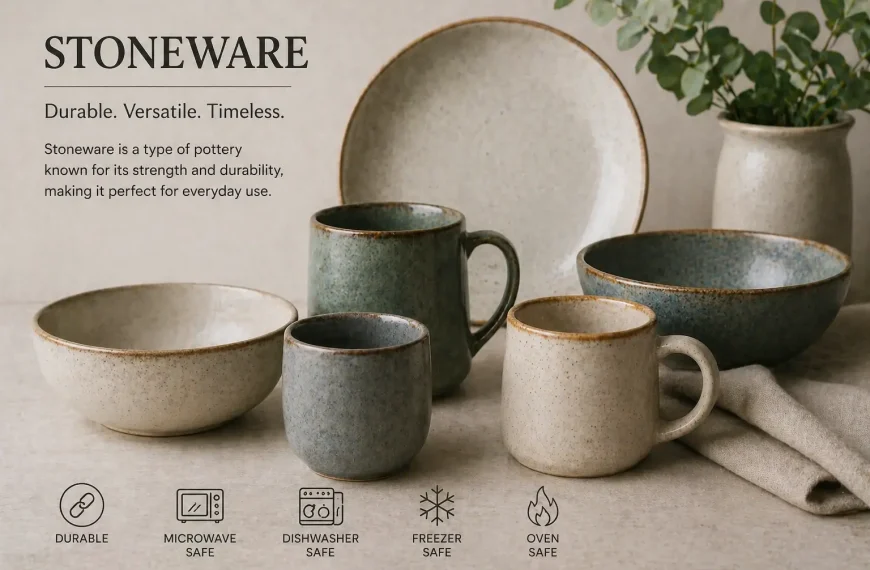
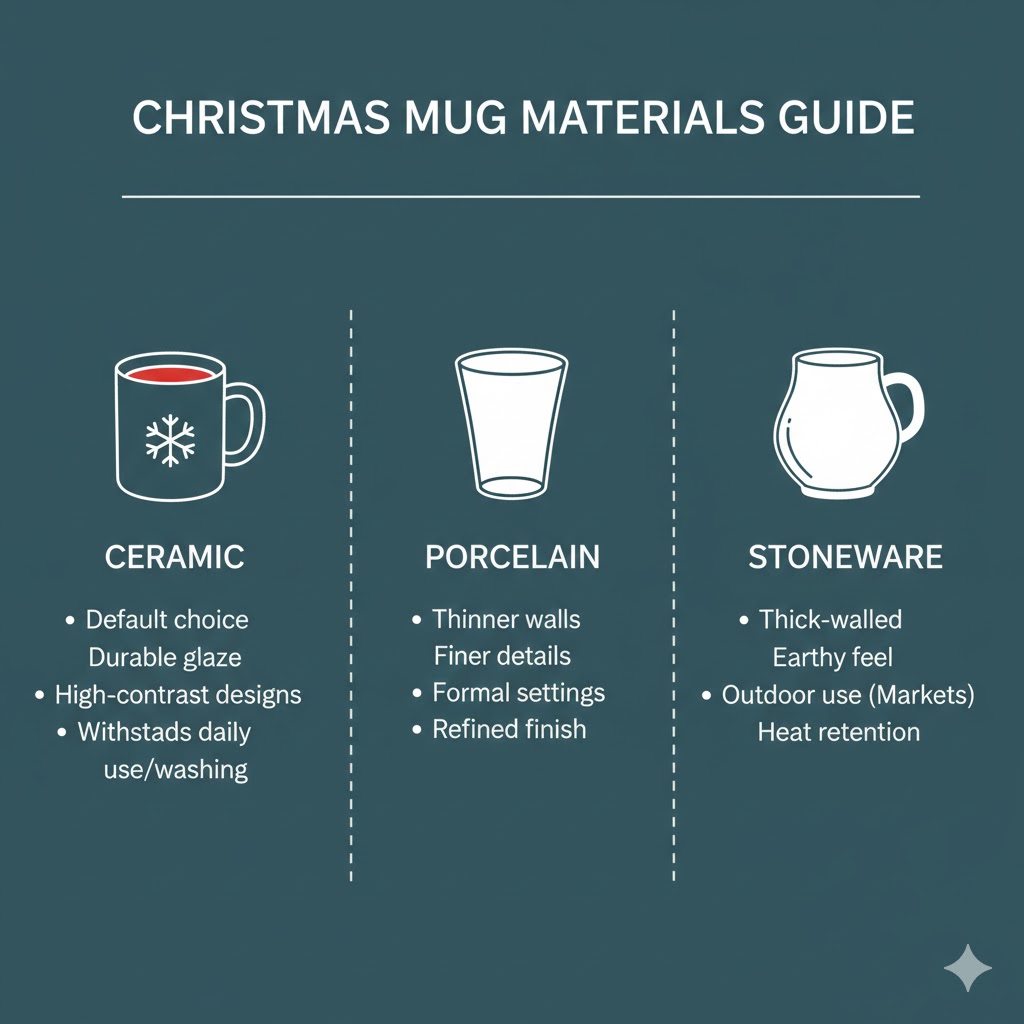
Ceramic, porcelain, and stoneware are the three material baselines used for most Christmas mugs because they support durable glazing and repeated hot-drink use. Ceramic remains the default because glazed ceramic handles daily washing and typical hot beverage temperatures while carrying high-contrast printed or painted designs. Porcelain becomes the better choice when the goal is thinner walls, finer detail, and a more formal table setting, since it is commonly produced with a refined body and crisp surface finish. Traditional German Christmas market mugs are often thick-walled ceramic or stoneware forms designed to tolerate repeated service and handling in outdoor winter conditions, including frequent washing between uses.
What size are most Christmas mugs?
Most Christmas mugs cluster around everyday “standard” mug volumes, with a practical range of about 300–400 ml used across common mug formats. One mug maker’s published size guide lists 300 ml as a standard size and shows larger options at 350 ml and 400 ml.
A Christmas market mug marked “0.2 liter” means the legal fill volume is 0.2 L, which is 200 ml, and the mug is expected to deliver that quantity when filled to the mark. A Saxony calibration authority note on Christmas-market Glühwein cups states that the traditional served amount at Dresden’s Striezelmarkt is 0.2 liters when the cup is filled to the fill line. (eichamt.sachsen.de)
What Christmas designs and motifs appear most often on mugs?
Christmas mug design is built around repeated visual tokens that are easy to recognise at a glance across shelves, gift tables, and seasonal displays. These designs usually fall into two broad aesthetics: minimalist layouts that use a few clean symbols or short text, and maximalist layouts that pack in characters, patterns, and scene-based illustration.
What are the most popular Christmas mug themes or characters?
The most common themes concentrate into 4 motifs that show up across classic and modern collections:
- Santa Claus
- Reindeer
- Snowman
- Christmas tree
A Santa mug reads as “classic” because Santa is a central character marker that instantly signals Christmas without extra context. Reindeer motifs work because they are visually simple silhouettes that fit both cute and traditional styles. Snowman designs usually depict a round-bodied character with winter accessories, which keeps the mug in a winter-to-Christmas overlap. Christmas tree artwork often appears as a single tree icon, a repeated pattern, or a decorated tree scene because the tree is a compact symbol that fits small print areas.
How do winter scenes and patterns work as mug artwork?
Winter scenes function as narrative artwork, while geometric patterns function as repeatable surface decoration that can cover the whole mug evenly. Snowflake patterns usually repeat a single motif with rotational symmetry, while Nordic patterns use banded, knitted-textile geometry that mimics Scandinavian sweater and blanket designs. A snow globe motif is typically an encapsulated “mini scene” inside a dome outline, often showing a tree, house, or character. A Santa’s workshop theme is a scene-driven design that depicts toy-making elements such as elves, tools, gift stacks, or a workshop interior.
What are the most common Christmas colors and slogans used on mugs?
The most common colour system is the red, green, and gold triad, because it stays readable on white ceramic and aligns with widely used Christmas packaging palettes. Plaid designs usually appear as intersecting horizontal and vertical lines forming checked blocks, often in red and green variants. Gingerbread designs show up as cookie-shaped character outlines, house motifs, or brown-and-white icing-style linework. “Merry Christmas” text is used when the mug is positioned as explicitly Christmas-labelled giftware, while more neutral greetings are used when a brand aims for broader seasonal inclusivity in mixed-audience settings.
What drinks and rituals are most associated with Christmas mugs?
Christmas mugs are most associated with hot drinks served slowly in cold-weather routines, where the mug functions as both a heat-retaining container and a ritual object. The dominant use-cases cluster around cocoa-based drinks, spiced warm wines, warm mixed spirits, and winter coffee drinks served at home and in holiday cafés.
Why is hot chocolate the most associated Christmas mug drink?
Hot chocolate is tightly linked to Christmas mugs because it is a warm, sweet drink that fits family-friendly routines and gift-basket pairing. In one controlled tasting study of 57 participants, cup colour measurably changed flavour perception: orange (with a white interior) and dark-cream cups enhanced perceived chocolate flavour compared with red and white cups, showing that the mug itself can shape the drinking experience beyond temperature and ingredients.
There are 3 common “cocoa mug gift” add-ons that appear repeatedly because they store well and portion cleanly:
- Mini marshmallows
- Cocoa marshmallows
- Peppermint sticks
Peppermint sticks are used as a garnish by stirring the drink and letting the candy dissolve into the cocoa for added mint sweetness.
How are traditional warm spirits served in a Christmas mug?
Traditional warm spirits served in Christmas mug contexts usually appear as 3 distinct drink types:
- Glühwein
- Hot toddy
- Spiked cocoa variants
A Glühwein mug is the handled cup used for serving mulled wine, commonly at Christmas markets, and it may carry a fill mark in metric volume for regulated serving sizes. The difference between a general Christmas market mug and a Glühwein mug is functional naming: market mugs can be used for multiple hot drinks sold at stalls, while “Glühwein mug” names the drink-use directly. Boot-shaped Christmas market mugs are novelty forms used for the same warm-drink service, but with a shape designed for souvenir appeal rather than stacking efficiency. A hot toddy is served as a warm mixed drink built around spirits, hot water, and flavouring components like citrus and spice, and it is usually poured into a heat-safe mug that supports comfortable handling.
How are cider, eggnog, and coffee served in holiday drinkware?
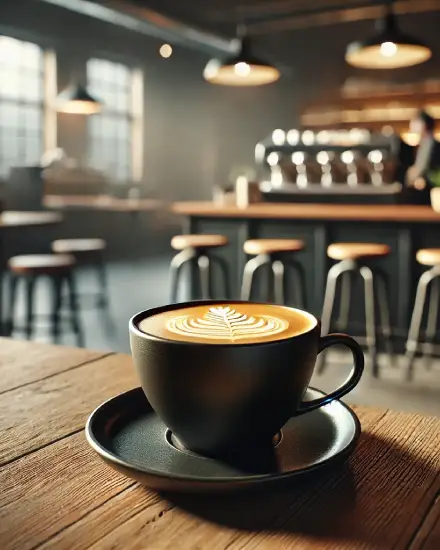
Cider, eggnog, and coffee appear as 3 separate mug use-cases because they impose different requirements on volume, foam headspace, and cleaning. Mulled cider is served warm and benefits from mugs sized to leave headspace for aromatics and to reduce spill risk when carried. Eggnog is often served chilled or lightly warmed and is typically paired with wider-mouth mugs that make thick drinks easier to sip and rinse out. Christmas coffee drinks commonly include cappuccino and latte-style drinks, where mugs with enough headspace support foam and latte art presentation.
What does “sipping hot drinks” look like as a seasonal ritual?
Sipping hot drinks as a seasonal ritual is a repeatable routine built around timing, setting, and drink choice rather than novelty. There are 4 common ritual frames that show up in household and social contexts:
- Christmas morning coffee or cocoa before breakfast
- Christmas Eve wind-down drinks after dinner
- “Fireplace cocoa” routines where the drink is paired with a seated warm setting
- “Snow day” warm-mug routines built around staying indoors with a hot drink
These rituals persist because a dedicated seasonal mug reduces decision effort and turns the act into a repeated, recognisable event.
What practical features and safety standards should you check?
Practical features and safety standards define whether a Christmas mug is safe for food contact, durable under washing, and suitable for heating. The most important checks focus on dishwasher and microwave labels, glaze safety for lead and cadmium migration, and ergonomic features that affect grip and spill control.
Are Christmas mugs dishwasher and microwave safe?
Dishwasher-safe and microwave-safe are use labels tied to the mug’s materials and decoration, not just the base ceramic body. A key constraint is metallic trim: consumer safety guidance for microwaving mugs highlights that metallic decorative details should not go in the microwave because metal can cause sparks and hazards.
Dishwasher resistance is also treated as a testable property in standards, including EN 12875-1, which specifies a method for testing resistance under combined chemical, thermal, and mechanical stresses in domestic dishwashing.
If the design is printed or applied as a surface decoration, repeated dishwasher exposure can shorten the visual lifespan of the artwork, so the most reliable check remains the maker’s dishwasher rating and care instructions.
Are Christmas mugs lead-free and oven-safe?
Lead-free claims and oven-safe claims must be verified with food-contact compliance information, especially for vintage, imported, or heavily decorated mugs. A 2025 open-access study in the Journal of Hazardous Materials measured cadmium and lead migration from ceramic mugs over 24 hours using 4% acetic acid and reported exterior (lip-area) concentrations ranging up to about 115 μg/L for cadmium and 934 μg/L for lead, with much lower interior concentrations.
EU ceramic migration rules for fillable hollowware set limits at 4.0 mg/L for lead and 0.3 mg/L for cadmium under the ceramics directive framework, which is why documented testing and declarations matter for ceramics sold as food-contact products.
Oven-safe is a narrower claim than microwave-safe because it depends on the manufacturer’s specified temperature limits and the mug’s ability to tolerate thermal shock, so it should be treated as label-driven rather than assumed from “ceramic” alone. (ScienceDirect)
What practical design features affect comfort and use?
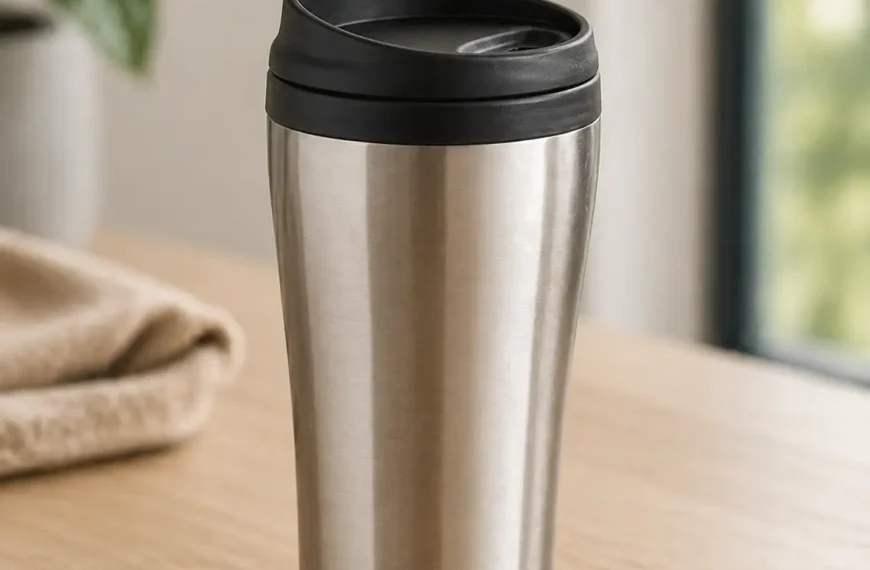
Comfort and use are driven by handle geometry, lip shape, wall thickness, and lid design in travel formats. Handle design affects grip by controlling finger clearance and rotation stability, especially with heavier oversized mugs filled with hot liquid. Christmas travel mugs differ from standard Christmas ceramic mugs because they add lids, seals, and insulation, shifting the product from “gift mug” into portable drinkware. For thermal performance, vacuum-insulated travel mugs are commonly rated in hours for heat retention; for example, Stanley’s Café-To-Go Travel Mug (16 oz) lists 5 hours (hot), 6 hours (cold), and 32 hours (iced). (Stanley 1913)
How do you choose, gift, and exchange Christmas mugs?
Choosing and gifting Christmas mugs is mainly a budgeting and compatibility task, where the mug’s job is to be easy to give and easy to use. Budget matching becomes simpler when the mug is treated as a complete gift unit that can stand alone or be upgraded with fillers and packaging.
What makes a Christmas mug a reliable Christmas gift?
A Christmas mug is a reliable gift because it has universal daily utility and predictable sizing, and it works across age groups without needing precise personal-fit information. The best Christmas mugs work as gifts because they combine everyday drinkware utility with seasonal design, safe materials, and a size that suits cocoa, coffee, tea, or winter drinks. There are 4 gifting contexts where mugs consistently perform well:
- Secret Santa gifts
- White Elephant gifts
- Stocking stuffer add-ons
- Small “thank you” gifts for coworkers, teachers, and neighbours
A stocking stuffer mug needs a size that fits typical stocking dimensions, which is why smaller mugs or compact travel mugs are often chosen for that format instead of oversized stoneware.
What is a Christmas mug exchange and how do the rules work?
A Christmas mug exchange is a structured gift swap where every participant brings one wrapped mug and leaves with a different one. The rules usually stabilise around 3 fixed constraints:
- One mug per person
- A single price limit agreed in advance
- A swap mechanic, either random draw or steal-style play
A good price limit is one that keeps the mugs comparable in material quality and prevents a single premium mug from dominating the exchange outcomes.
What are good Christmas mug filler ideas?
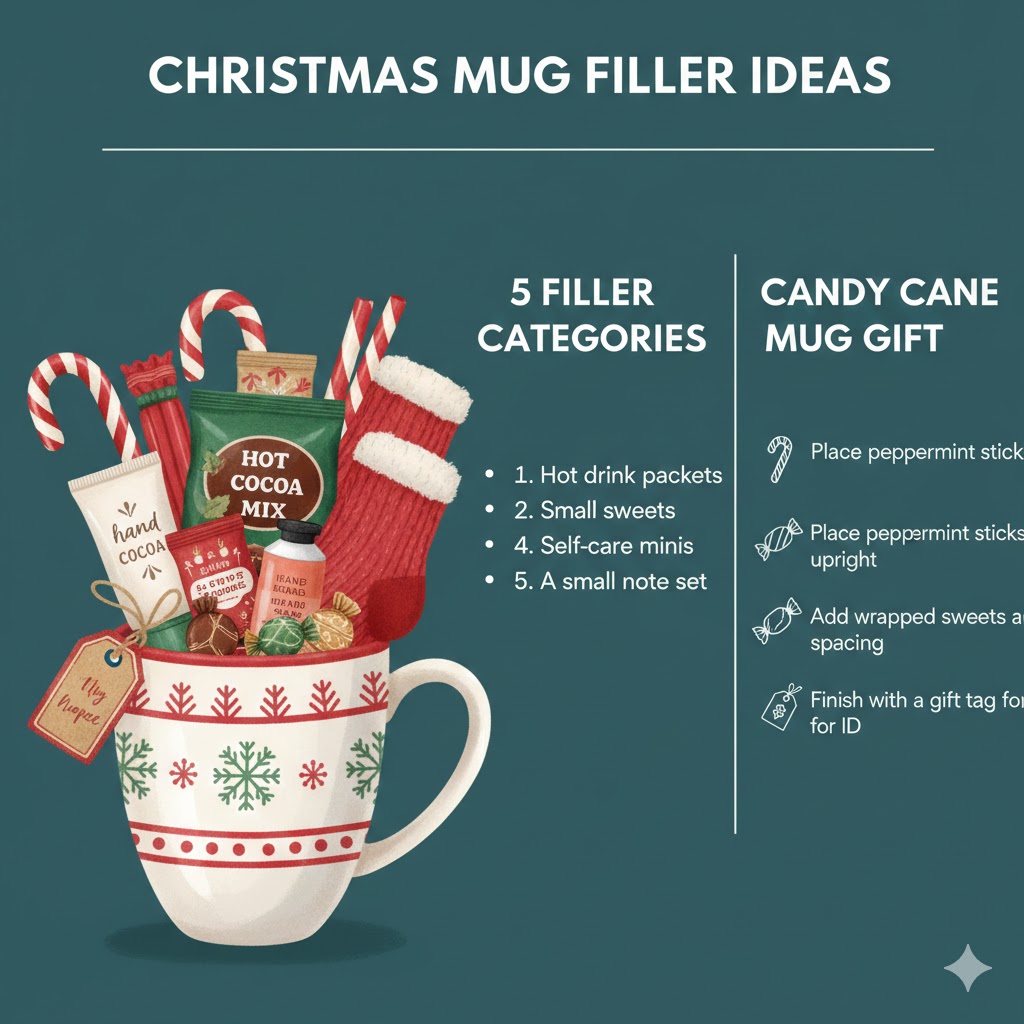
Christmas mug filler ideas work best when the fillers are shelf-stable, compact, and easy to remove without damaging the mug’s interior glaze. There are 5 filler categories that match common recipient types like coworkers and teachers:
- Hot drink packets (cocoa, tea, coffee sachets)
- Small sweets (wrapped candies, chocolate minis)
- Self-care minis (lip balm, hand cream travel size)
- Warm accessories (socks, gloves)
- A small note set (gift tag, holiday card)
A candy cane mug gift is assembled by placing peppermint sticks upright, adding wrapped sweets as spacing, and finishing with a gift tag so the mug can be identified during exchanges.
How do personalized Christmas mugs work?
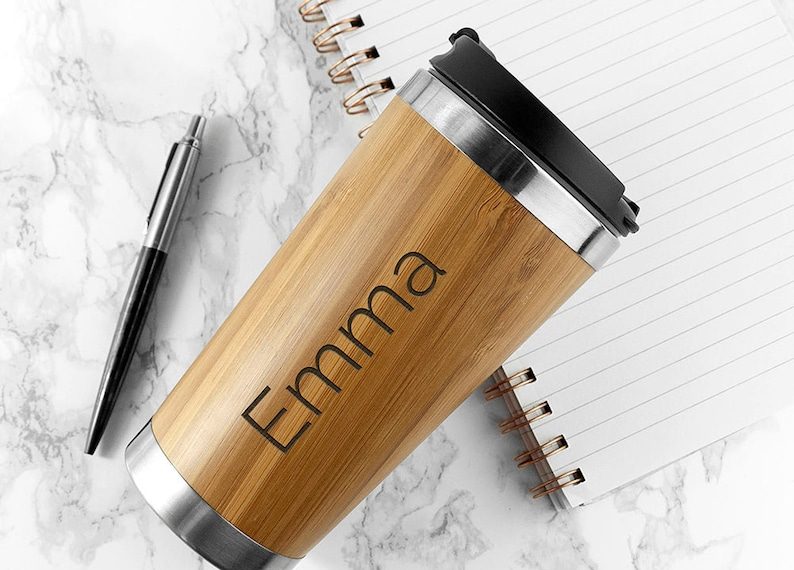
Personalized Christmas mugs are defined by customised inputs applied to a base mug, such as names, dates, roles (Dad, Mum, Teacher), or photographs. A photo mug is printed by transferring an image onto the mug surface using a dedicated printing method chosen by the manufacturer, and the durability depends on whether the decoration is fused into the coating or applied as a surface layer. Personalization matters more than the base design when the mug’s value is tied to a specific person or event, such as “first Christmas as…” milestones or family-photo keepsakes.
Why do some Christmas mugs become highly sought-after collectibles?
Collectible Christmas mugs gain after-market value through limited production, annual releases, brand series, and personal memory attachment. The collectible logic is often driven by repeatable yearly patterns, where buyers attempt to “complete” a set across multiple years or locations.
Why do people collect Christmas mugs?
People collect Christmas mugs because the objects form a visible archive of seasons, events, markets visited, and brand runs. There are 3 practical steps to start a Christmas mug collection without damage risk:
- Choose a single collecting rule (brand series, annual market mugs, or a motif theme)
- Set a storage system that prevents rim and handle impacts
- Track the year and source of each mug to preserve provenance
Safe storage and display focuses on stability and spacing, since handles are common break points in stacked storage.
What makes a Christmas mug collectible or valuable?
Collectible value is created by scarcity, condition, and traceable identity like year marks, limited-edition labels, and location-specific releases. There are 3 features that commonly raise value in vintage Christmas mugs:
- Limited edition or annual series status
- Intact decoration with minimal wear
- Clear identifiers (year, brand, market name)
Christmas markets release annual souvenir mug designs because yearly changes make the mugs trackable and encourage repeat purchasing across seasons.
How can you repurpose a Christmas mug for seasonal decor?
Repurposing a Christmas mug turns the object into a stable seasonal container used for display, scent, and small-item holding rather than drinking. This works best when the mug is structurally intact and has an interior that can be cleaned and dried fully after repurpose use.
What is the environmental impact of holiday drinkware, and when does reuse beat single-use cups?
Holiday drinkware overlaps with sustainability because seasonal events and takeaway drinks increase single-use cup demand, while reusable mugs and cups shift the impact toward manufacturing plus washing.
What does life cycle research say about “break-even uses” for reusable cups?
Life cycle reviews show that break-even use counts vary widely depending on material choice, end-of-life assumptions, and washing conditions. A UNEP lifecycle report on single-use beverage cups and alternatives summarises that many studies place break-even points from 10 to 670 uses, with washing as a major contributor to reusable-cup impacts. (Life Cycle Initiative)
How do washing assumptions change the result for reusable cups?
Washing energy and water use can dominate the per-use footprint of reusable drinkware, which is why the same mug can perform differently across households and venues. The UNEP report flags washing as the most significant contributor for reusable cups in many compared scenarios, which is why efficient dishwashing loads and reasonable wash temperatures matter.
What are practical, low-waste choices for Christmas parties and markets that still use mugs?
Low-waste choices work best when they reduce disposables without driving over-purchasing of new reusables. There are 4 practical choices that align with how Christmas mugs are actually used:
- Use existing household mugs for serving hot drinks at home gatherings
- Run mug exchanges with “bring one, take one” rules to avoid surplus buying
- Prefer durable mugs with clear care labels to extend lifespan through repeated seasons
- If buying new, buy one mug per person and reuse it across multiple seasons instead of buying yearly duplicates
A final checklist for picking a Christmas mug that lasts past the season
A Christmas mug that lasts past the season is chosen by checking material, capacity, decoration constraints, and verified safety labels before aesthetics. Start with the mug’s physical class, then confirm the care and heating labels, then decide whether it is meant for gifting, collecting, or everyday winter use. Finish by matching motifs and slogans to the recipient and setting, so the mug stays usable on December 25 and still makes sense on an ordinary morning. Applying this rigorous selection process ensures that your festive acquisitions maintain the same functional and safety standards expected of professional-grade mugs.