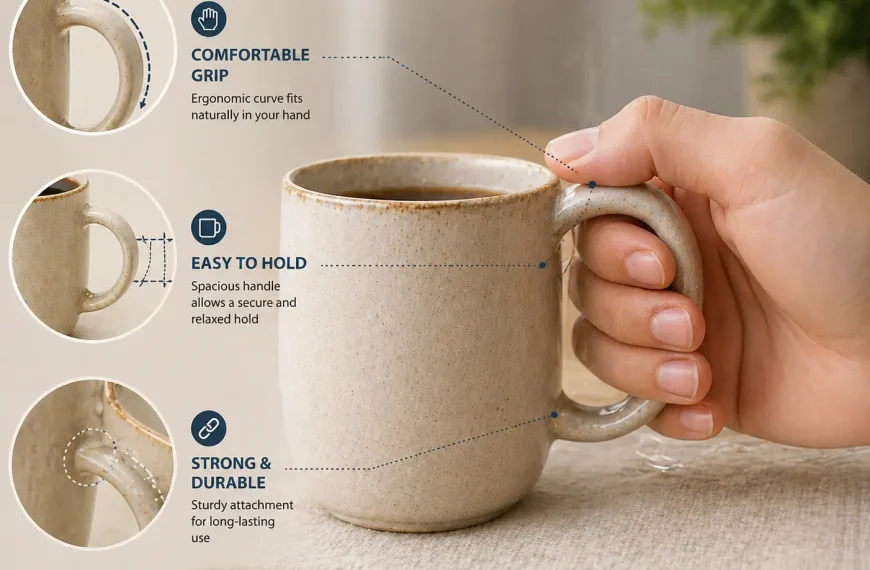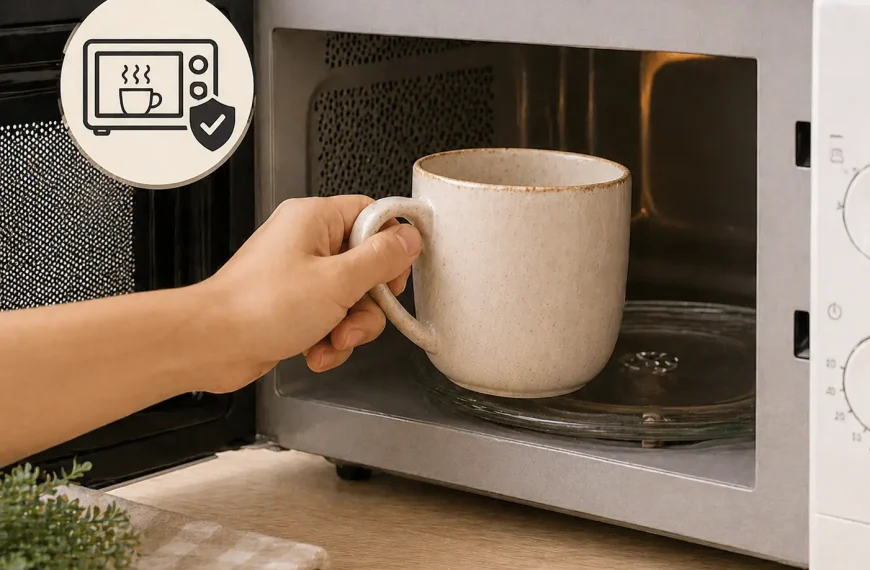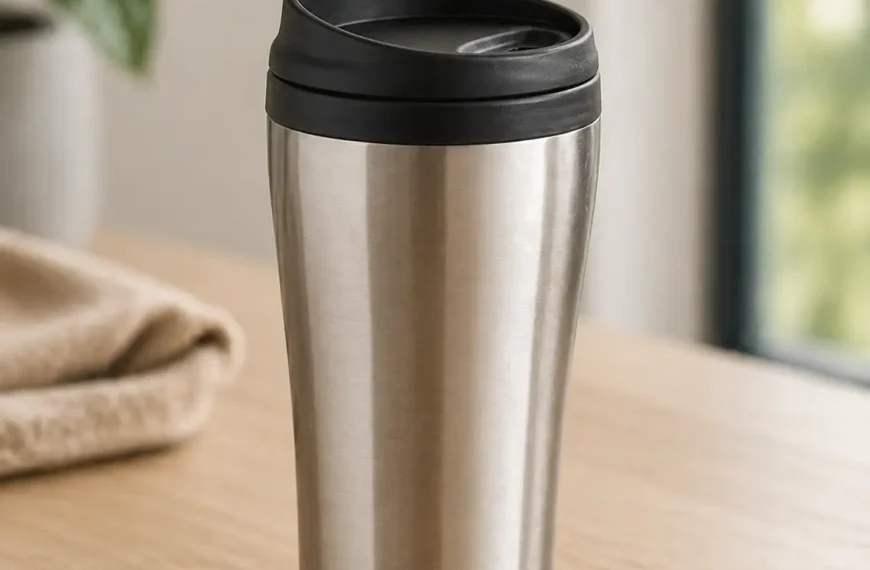

Dishwasher safety for mugs is the measurable compatibility of materials such as stainless steel, ceramic, glass, and polymers with the hydrothermal and chemical conditions inside a dishwasher. Dishwasher-safe mugs for daily use must withstand hot water cycles up to 70 °C, alkaline detergents, and mechanical spray without structural damage or surface degradation. The safest mug materials include dense ceramics, borosilicate glass, and insulated stainless steel, while risk increases for gold lustre finishes, metallic trims, and hand-painted overglaze decorations exposed to repeated detergent abrasion. Printed ceramic and photo mugs often fade or peel because pigments sit on or near the surface rather than being fully fused into the glaze, making decoration durability a primary failure point before the mug body. (Phys.org)
Travel mugs and tumblers introduce additional cleaning complexity, where insulated stainless-steel bodies may be dishwasher safe but lids, gaskets, and vacuum seals degrade under repeated heat and agitation. Dishwasher compatibility also varies by manufacturer, as brands like Yeti, Stanley, and Le Creuset use proprietary materials, coatings, and assembly methods that influence durability outcomes. Some products reference formal testing standards such as EN 12875 dishwasher proof standard, which can specify resistance across 500 or more wash cycles. These combined factors—material composition, surface decoration, multi-part construction, and brand-specific engineering—determine whether a mug maintains structural integrity, aesthetic quality, and long-term performance in dishwasher use.
The convergence of these durability metrics forms a critical pillar within the wider classification of mug features used to evaluate a vessel’s lifespan. To ensure your collection remains functional and safe, it is essential to first define what the dishwasher-safe designation actually guarantees—and what it does not.
What does “dishwasher-safe” actually mean for a mug, and what does it not guarantee?
Dishwasher-safe means the manufacturer claims the mug can go through machine washing without unacceptable damage, but the phrase is not a single regulated standard and symbol use is not universally governed. It covers two outcomes at once: the mug must stay structurally usable and it must keep its surface finish readable and attractive, because losing gloss, clouding, or worn decoration changes real-world usability. Even when a mug is labelled safe, its appearance and coatings have a finite cycle life, because repeated exposure to alkaline chemistry and abrasion causes measurable surface wear over time. (PMC)
What is the difference between “dishwasher-safe”, “dishwasher-resistant”, and “hand-wash only”?
Dishwasher-safe means the maker approves dishwashing under stated conditions, dishwasher-resistant means the mug may tolerate dishwashing but with visible wear expected sooner, and hand-wash only means the maker expects unacceptable risk from machine cleaning. A DIN standard exists in Germany for “dishwasher proof” (DIN EN 12875), but “dishwasher safe” is still not a protected claim in the same way, so wording alone does not guarantee optical durability. Hand-wash only is usually driven by one clear failure mode: delicate overglaze metals, vulnerable prints, heat-sensitive plastics, or multi-part assemblies that trap residue and degrade with high heat.
What are the common dishwasher-safe symbols, and what do they mean?
Dishwasher-safe markings are usually variations of a “plates or glass under water droplets/spray” motif, but there is no single globally mandated icon set. When a symbol includes “top rack only,” it is signalling reduced heat exposure and gentler spray compared with the bottom rack, where heating elements are commonly located. Regional presentation differs, so the most reliable interpretation is to treat symbols as quick guidance and confirm with brand or product care notes when available.
How to know if a mug is dishwasher safe: What are the label cues and physical checks?
To decide on a “mystery mug,” use three checks that target the usual dishwasher failure points: body density, surface vulnerability, and assembly complexity.
- Weight and density check: heavier, more vitrified-feeling ceramics and solid glass usually handle wash stress better than light, porous-feeling clay bodies.
- Ring and crack check: tap for a clear ring and inspect for crazing lines, chips, or hairline cracks because defects are where wash stress concentrates and where hygiene problems start.
- Surface and trim check: feel for raised decals, metallic edges, or soft-touch coatings because thin overglaze metals and surface-applied films wear down with dishwasher abrasion and detergents.
Choose hand washing even for a labelled mug when it has metallic trim, a photo-print you want to preserve, or complex lids and gaskets that need direct scrubbing and full drying.
Which mug materials are safest in the dishwasher, and which are most likely to degrade?
Material safety in a dishwasher is controlled by porosity and thermal expansion behaviour, because water ingress, rapid heating, and chemical exposure all act faster in less-vitrified bodies and at stressed interfaces. The safest materials are those that are dense, stable under heat swings, and chemically durable at the surface, while the most fragile are porous clays, reactive glass surfaces, and heat-sensitive polymers.
Are porcelain and bone china mugs more dishwasher safe than stoneware or clay?
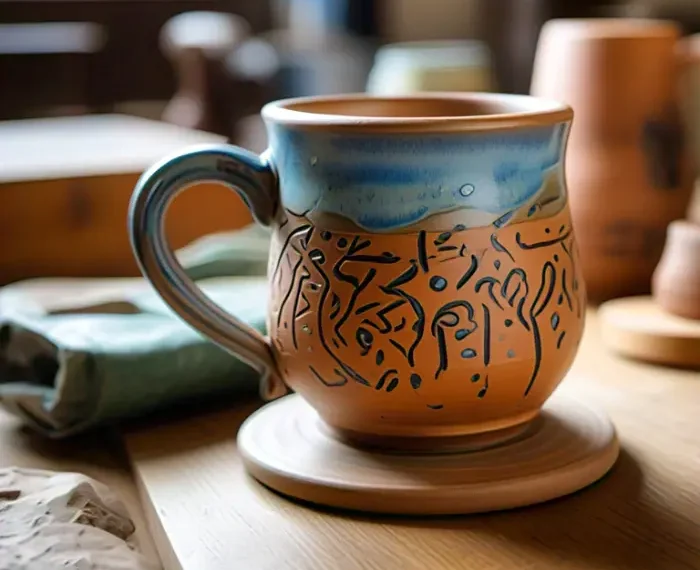
Porcelain-class bodies are typically more vitrified and lower-porosity than low-fired clay bodies, so they absorb less water and maintain strength better under repeated wet-heat cycling. Stoneware can be dishwasher safe when it is well-fired and well-glazed, but porous or underfired clay bodies are the common failure case because absorbed water and expansion stress raise cracking and crazing risk. Unglazed or raw bottoms increase the stain and water-absorption pathway, so the practical durability depends on how mature and sealed the body is, not the label “handmade” or “artisan.” (ASTM International)
Are glass mugs dishwasher safe, and can they crack from thermal shock?
Glass mugs can be dishwasher safe, but glass is chemically attacked by harsh alkaline conditions over time, and repeated cycles can create permanent clouding and surface roughness that cannot be “cleaned off.” One machine-dishwashing study on glass cups reported clouding on inner and outer surfaces appearing after about 1000 washing cycles, linking the damage to detergent-and-water etching that reveals underlying structure. Thermal shock risk is tied to thermal expansion properties, and borosilicate has higher thermal shock resistance than soda-lime glass, which is why lab glassware guidance links thermal shock resistance directly to expansion behaviour.
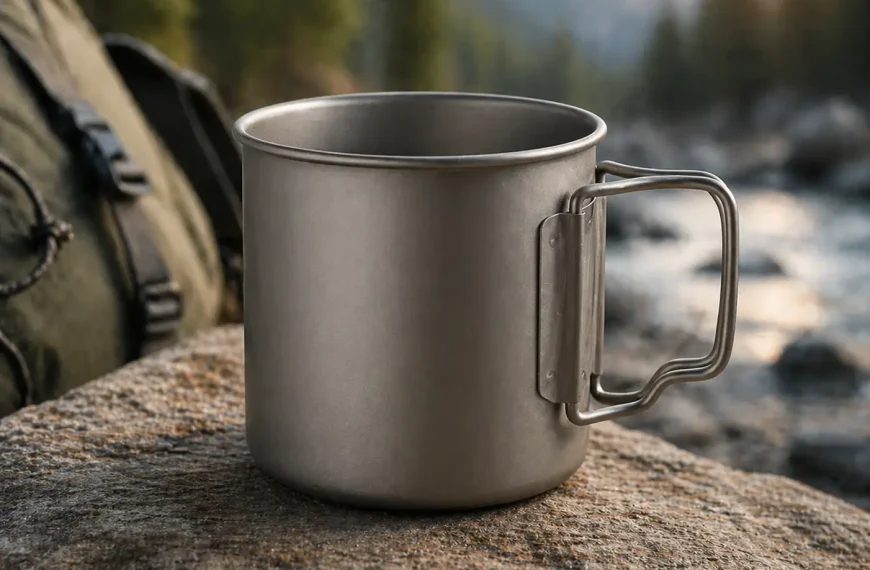
Are enamel and stainless steel mugs dishwasher safe, or will they chip and rust?
Stainless steel mug bodies commonly tolerate dishwashing, but surface finishes and joined parts decide whether the mug stays looking new after repeated cycles. Enamel mugs are glass-like coatings over a metal substrate, so the core risk is chipping; once enamel chips expose metal, rust can form at those exposed points. If you choose to dishwash enamelware, the loading rule that matters is preventing collisions, because impact and rattling are what trigger chips that later turn into edge rust.
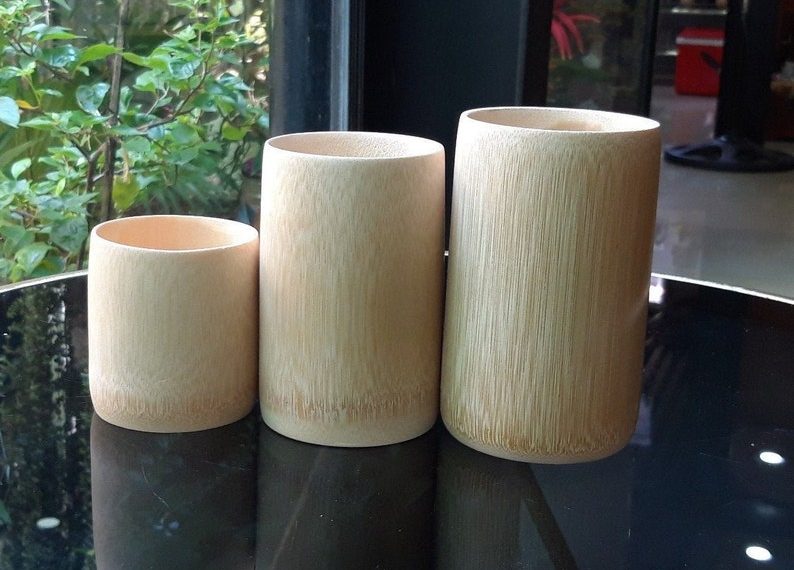
Are plastic or bamboo-composite mugs dishwasher safe, and how do I avoid melting?
Plastics and bamboo-composites are the most dishwasher-sensitive category because heat, alkaline chemistry, and repeated cycles can deform parts and accelerate chemical migration from certain resins. A food-contact study on polycarbonate items reported that repeated dishwashing drove measurable BPA release, increasing after 500 machine washes. For bamboo-filled melamine-type composites, the German Federal Institute for Risk Assessment warns that at higher temperatures harmful amounts of melamine and formaldehyde can migrate into food and drinks, which directly conflicts with hot-drink use and hot-wash exposure.
What mug finishes, coatings, and decorations fail first in the dishwasher?
Decorations fail first because the dishwasher attacks the thinnest, most surface-exposed layers: metallic overglazes, printed films, and matte microtextures. In practice, the mug body can remain structurally intact while the finish degrades enough to change grip, stain resistance, and appearance.
Are mugs with gold lustre, metallic trim, or hand-painted glazes dishwasher safe?
Metallic trims and lustres are thin overglaze layers that wear down with repeated wash abrasion, and manufacturer guidance for overglazes states that even if they tolerate repeated dishwasher washing, the metal layer will eventually wear away. Treat metallic-trim mugs like fine china if the goal is preservation: the safe decision is hand washing when optical durability matters. If the mug is both metallic-trimmed and used for hot drinks, preserve the trim by avoiding harsh cycles and avoiding abrasive contact in the rack, because mechanical rubbing accelerates metal loss.
Why do printed designs and photo mugs fade or peel in the dishwasher?
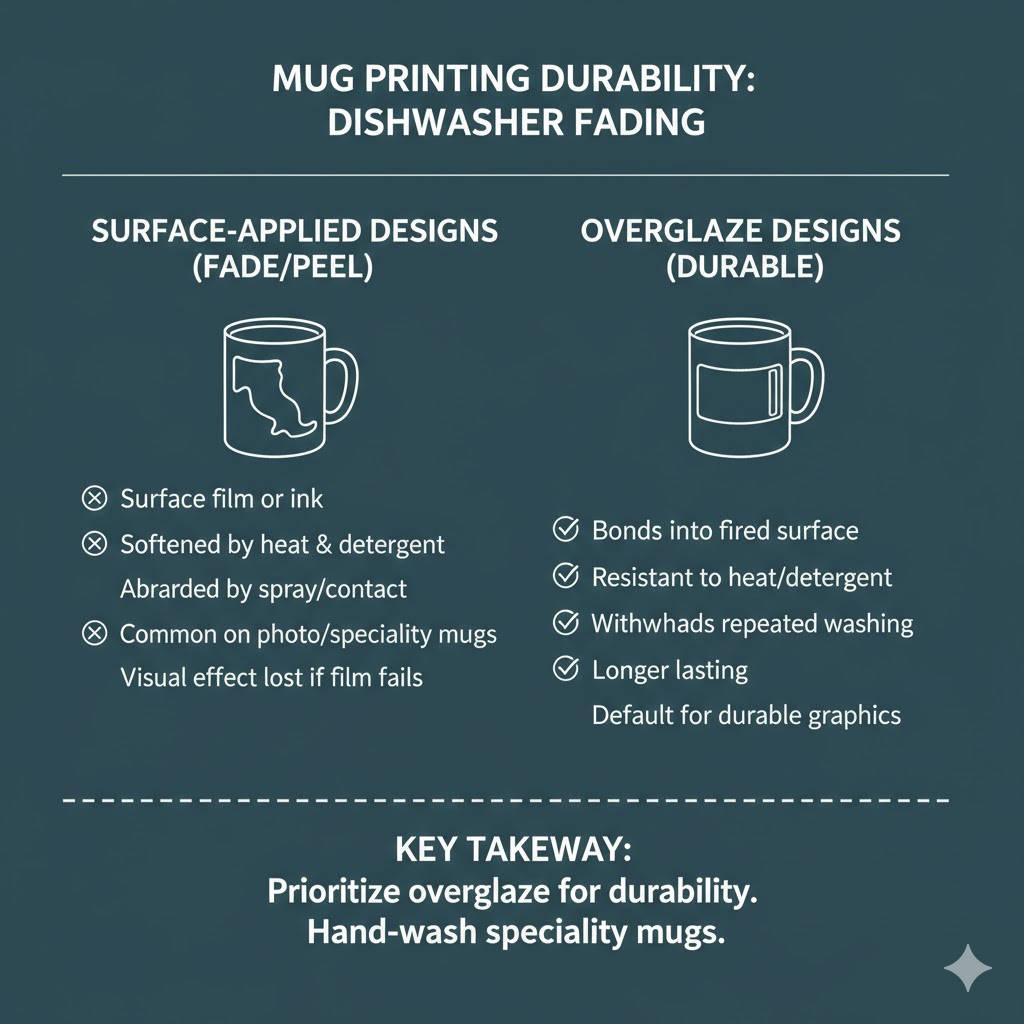
Printed designs fade or peel when the decoration is a surface-applied film or ink layer that is softened by heat and detergent and then abraded by spray and contact with other items. Overglaze-type decorations bond into the fired surface and last longer, while surface films are the early-failure group under repeated machine washing. For heat-changing and specialty-effect mugs, the durability risk is higher because the visual effect depends on layered films; once the film delaminates, the effect fails even if the mug still holds liquid.
Are matte glazes dishwasher safe, and why do they hold stains or lose texture?
Matte glazes have a microtexture that trades smoothness for a softer look, and that microtexture is easier to trap residues and harder to keep visually uniform under repeated chemical exposure. Alkaline detergents attack glaze surfaces over time, and published tableware glaze research describes alkaline detergents promoting glaze aging by attacking the silicate glass matrix. When matte texture loss happens, it looks like “polishing” in high-contact areas because the surface is being chemically and mechanically worn flatter over repeated cycles.
How do dishwasher cycles, temperatures, and detergents change mug safety?
Dishwasher safety is a two-way street because the machine environment can be aggressive enough to damage even durable materials over enough cycles, especially when detergents are strongly alkaline. A 2025 study measuring plastic release from dishwashers reported up to 920,000 microplastic and nanoplastic particles per cycle, showing that hot wash conditions can physically degrade plastics during normal use. The practical outcome for mugs is that cycle choice, detergent choice, and drying heat directly influence surface wear, print longevity, and plastic-part deformation.
Can dishwasher detergent dull or etch the glaze on ceramic mugs over time?
Dishwasher detergents are highly alkaline and can corrode glaze surfaces, and ceramic materials references treat “resistance to alkalis” as the key property for dishwasher suitability. Glaze research on porcelain tableware links repeated alkaline detergent washing to glaze aging by alkali attack on the silicate glass matrix. A dull or chalky look can be either permanent glaze wear or removable mineral film, so the correct first step is distinguishing etching from deposits before changing how the mug is cleaned. (ceramic art)
Does using rinse aid help reduce spots on mugs, or can it affect finishes?
Rinse aid reduces spots by lowering water surface tension so water sheets off more evenly during the final rinse and drying phase. That reduces visible droplets and mineral spotting, especially in hard-water areas, which is why rinse aids are positioned as a drying agent rather than a cleaner. If residue concerns exist for taste, the practical control is correct dosing and allowing a full rinse phase, because rinse aid is designed for release during the rinse stage rather than remaining as a thick film.
What dishwasher settings and cycles are safest for decorated mugs?
Gentler settings are safest for decorated mugs because they reduce peak heat and reduce mechanical aggression from long, high-force cycles. Avoid heavy-duty and sanitize-style cycles for mugs with prints, metallic trims, and matte finishes, because those are the surfaces most sensitive to chemical and abrasion exposure. The cycle decision is part of “dishwasher safe” in reality, because the same mug can look fine under a mild cycle and degrade quickly under the harshest conditions.
What is the safest way to load mugs in the dishwasher to prevent chips and cracks?
Loading is a mechanical safety problem because the spray environment and vibration can cause mugs to collide, and collision is the direct cause of chipping and handle damage. The safest load keeps mugs stable, separated, and positioned for drainage so wash water does not pool and redeposit residues.
Should mugs go on the top rack or bottom rack for the safest wash?
Top rack is the safer default for mugs because it is farther from common bottom heating elements and is designed for more delicate items, especially plastics and decorated drinkware. Bottom rack increases heat exposure and increases the chance of contact with heavier items, which raises collision and chipping risk for mugs. When a mug is marked “top-rack only,” treat that as an instruction about heat exposure rather than a general “gentle” suggestion.
Should I face mugs up or down in the dishwasher to avoid water pooling and spotting?
Face mugs upside down because it prevents dirty rinse water pooling inside the cup and improves drainage during drying. Water pooling on mug bases is a common unloading issue, and practical loading guidance focuses on angling and positioning to let water run off instead of collecting in recessed areas. Upside-down orientation also reduces the chance of debris settling back into the drinking cavity at the end of a cycle.
How should I load mugs to prevent rattling, chipping, and handle breakage?
Preventing damage comes down to three loading controls: stable spacing, no nesting, and no hard contact with metal items that can strike surfaces.
- Stable spacing: lock each mug between tines so it cannot swing into its neighbour.
- No nesting: do not stack mugs mouth-to-mouth or overlap handles because vibration turns contact points into chip points.
- Avoid hard contact: keep stainless utensils and heavy items from touching decorated ceramics and glass because direct contact accelerates scratching and scuffing.
How should you clean travel mugs and insulated tumblers without damaging seals?
Travel mugs are seal-dominated systems because lids, gaskets, and sliders create blind spots that machine washing does not reliably scrub, and those same parts are where leaks and odour issues start. For many models, the cup body and lid parts have different care rules, with top-rack instructions and disassembly steps required for proper cleaning and drying.
Can I put insulated stainless-steel travel mugs in the dishwasher?
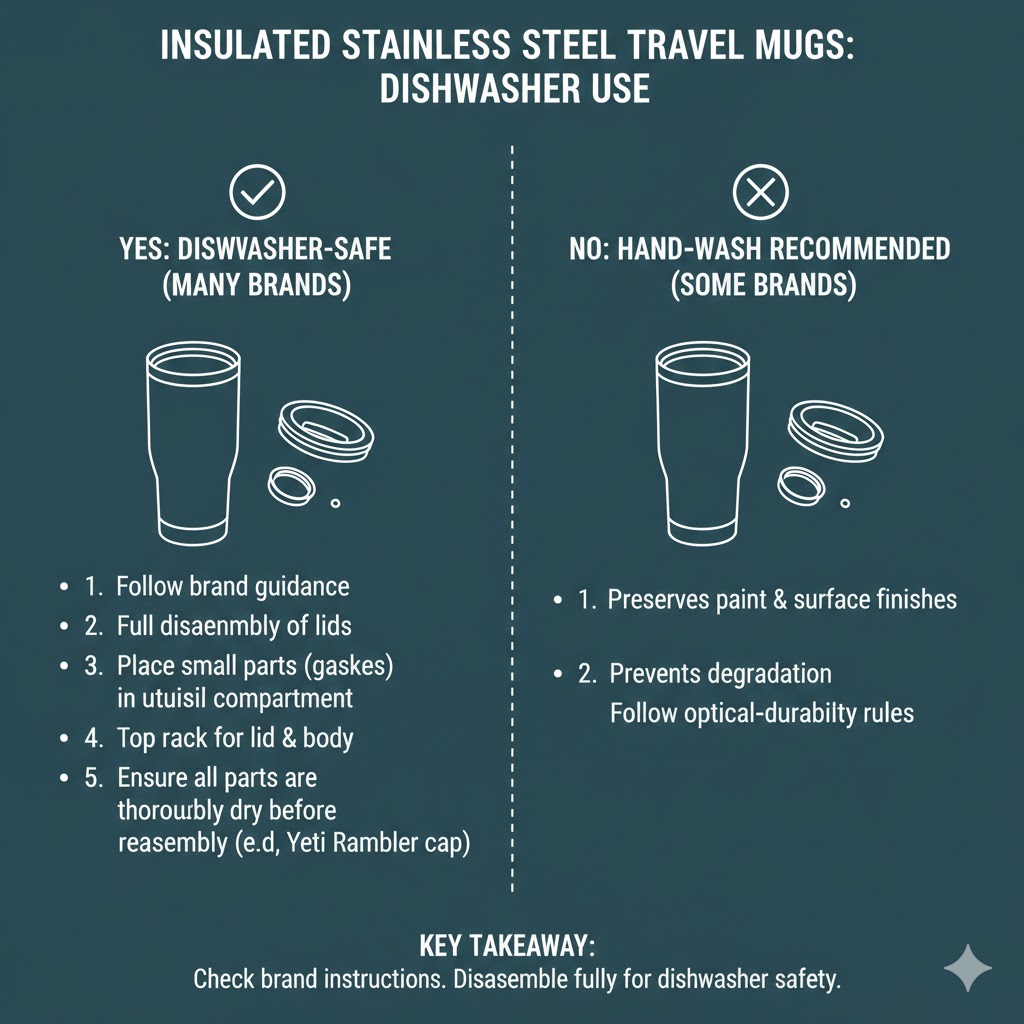
Yes, many insulated stainless travel mugs are dishwasher-safe by brand guidance, but the safe use condition is full disassembly of lids and correct rack placement for small parts. Yeti’s Rambler cap guidance explicitly instructs removing gaskets and placing parts in the utensil compartment and putting the disassembled cap on the top rack, then ensuring all parts are thoroughly dry before reassembly. If a brand advises hand washing to preserve finish and performance, treat that as the optical-durability rule, not a suggestion, because paint and surface finishes are common degradation points.
Should I hand-wash travel mug lids and gaskets even if the cup is dishwasher safe?
Yes, hand-washing lids and gaskets is the safer hygiene choice because lids and sliders have blind spots that trap residue and allow mould and odour issues to develop if parts are not disassembled and fully dried. The control step is complete part separation plus a brush-clean of narrow channels and straws, followed by full air drying before reassembly. When a brand provides a disassembly-and-dishwasher method for gaskets, follow it exactly, because gasket orientation and drying are explicitly part of safe reassembly. (yeti.com)
Are self-stirring or battery-based mugs dishwasher safe?
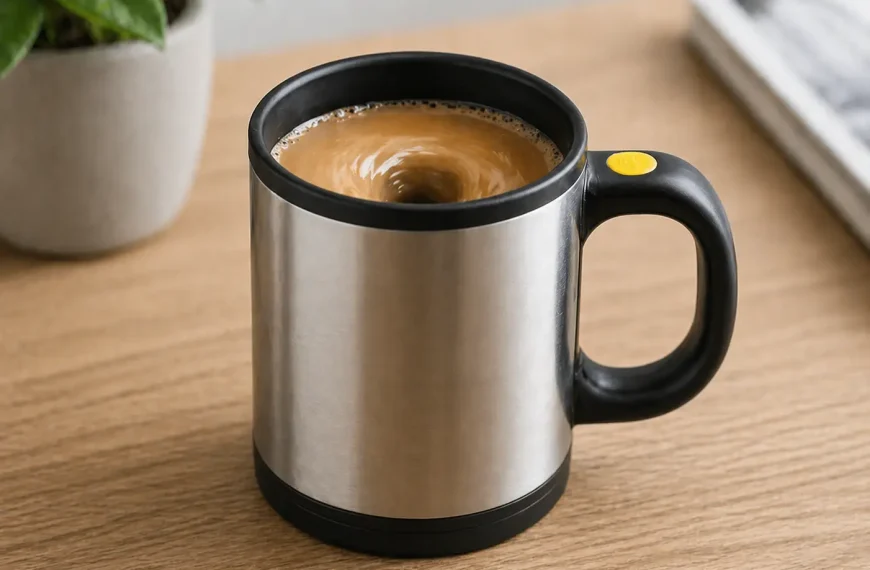
No, battery-based and motorised mugs are not dishwasher-safe because submersion and high-heat wash cycles can compromise the sealed motor compartment and electrical contacts. This is why self-stirring mugs need separate cleaning rules from ordinary ceramic or stainless mugs. Items with electronics are routinely listed among categories that should not go in dishwashers due to heat, water intrusion, and failure of adhesives and internal components. If the mug has a removable electronic base, only the non-electrical cup section is a candidate for washing, and the motor unit stays completely out of the dishwasher.
When should you stop dishwashing a mug for safety, not just appearance?
Stop dishwashing when the mug shows structural defects that worsen under heat and pressure, because damaged surfaces are harder to clean and can become a hygiene liability. “End of life” is signalled by cracks, chips at the rim, widespread crazing, or delamination of interior coatings, because these defects reduce cleanability and durability at the drinking surface.
Can dishwashing increase the risk of micro-cracks/crazing that later harbour bacteria?
Crazing is a glaze-fit failure pattern that can be triggered or revealed by repeated thermal stress, and pottery safety references treat it as a defect that affects long-term surface integrity. Ceramic-focused hygiene discussion includes bacterial survival comparisons of crazed versus non-crazed glaze surfaces, which is why crazing is treated as a sanitation-relevant surface condition rather than just an aesthetic one. A simple safety rule is to remove crazed, cracked, or chipped mugs from shared or high-risk use because damage concentrates residues at the drinking rim and makes cleaning less reliable.
Is it safe to wash a chipped or cracked mug in the dishwasher, or can it worsen the damage?
No, it is not safe to keep machine-washing a cracked or chipped mug because the dishwasher environment adds heat cycling and mechanical force that can propagate existing fractures. Cracks and chips are documented as places where organisms can persist, and the hygiene risk rises as the defect grows and becomes harder to clean thoroughly. Replace or retire damaged mugs rather than using the dishwasher to “sanitise through” a structural defect.
Are specific brand mugs dishwasher safe? (The Entity Safety Matrix)
Brand dishwasher status is product-specific, so the correct approach is to follow the care page for the exact product line and lid type rather than assuming a brand-wide rule.
- Brand / product line
- Safety status (dishwasher)
- Notes that change the answer
- Le Creuset stoneware mugs
- Dishwasher safe
- Care notes include allowing a full cycle and cooling before cleaning.
- Yeti Rambler caps and lids
- Dishwasher safe with disassembly
- Remove gaskets and place parts in utensil compartment; put cap on top rack; fully dry before reassembly.
- Stanley drinkware
- Dishwasher safe varies by product; hand washing often recommended for best finish
- Brand guidance supports dishwasher use when rated safe, while also positioning hand wash as best for preserving finishes.
Maintaining the Integrity of your Drinking Vessel Collection
Dishwasher safety is one pillar of mug longevity because long-term performance is set by both cleaning method and how the mug is stored, handled, and protected from impacts that create chips and craze lines. Pre-rinsing is not automatically required for mug hygiene if the dishwasher cycle and loading allow spray to reach surfaces, but scraping solids and preventing dried-on residue improves cleaning outcomes and reduces redeposit. Deep-cleaning the dishwasher itself matters for mug results because rinse performance and deposit control influence spotting and film on mugs, which is why rinse aid and hard-water management are practical levers for clean-looking drinkware.Understanding these material constraints ensures that the cleaning process does not compromise the structural or aesthetic standards required of high-quality mugs.
The Dishwasher-Safe Reality Check for Mugs
Dishwasher safety is decided by four variables that can be controlled: material maturity, surface decoration type, detergent and cycle harshness, and stable loading that prevents collisions. When a mug is dense and well-glazed, undecorated or in-glaze decorated, and loaded securely on the top rack with a gentler cycle, the dishwasher outcome is predictable and stable. When a mug relies on surface films, metallic overglaze, heat-sensitive plastics, or complex seals, hand washing is the preservation and hygiene control, not a preference.