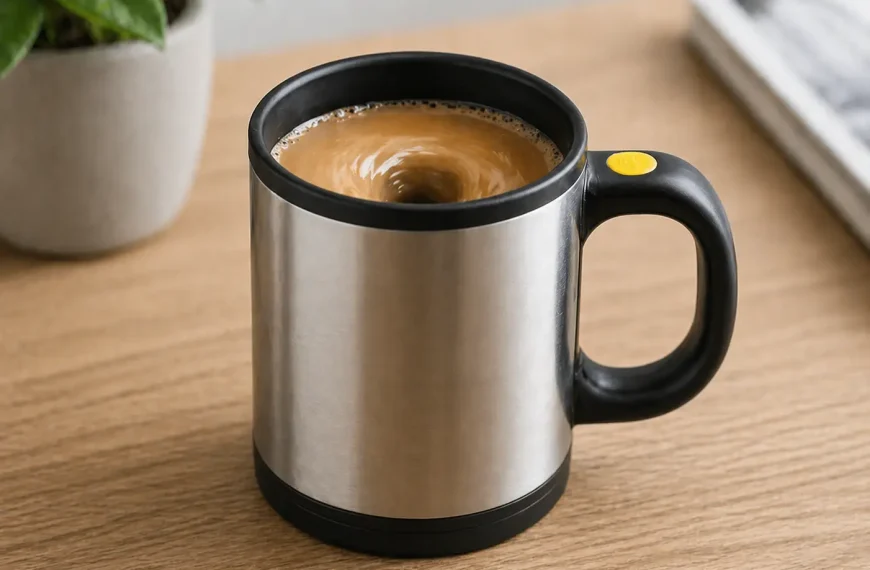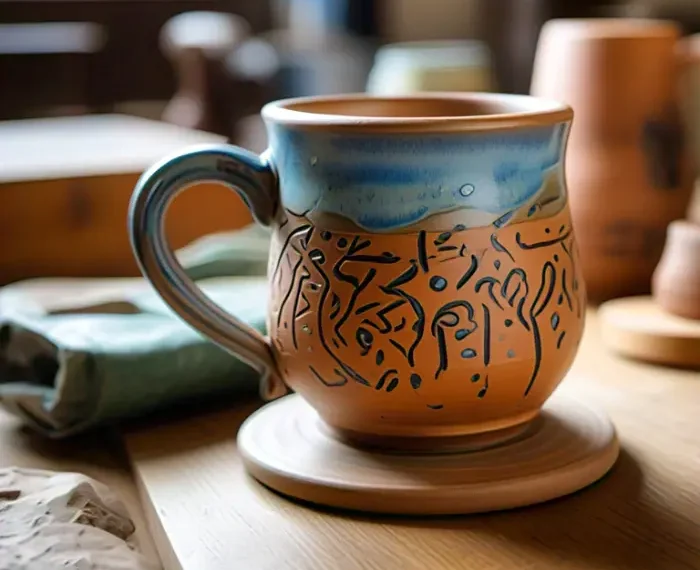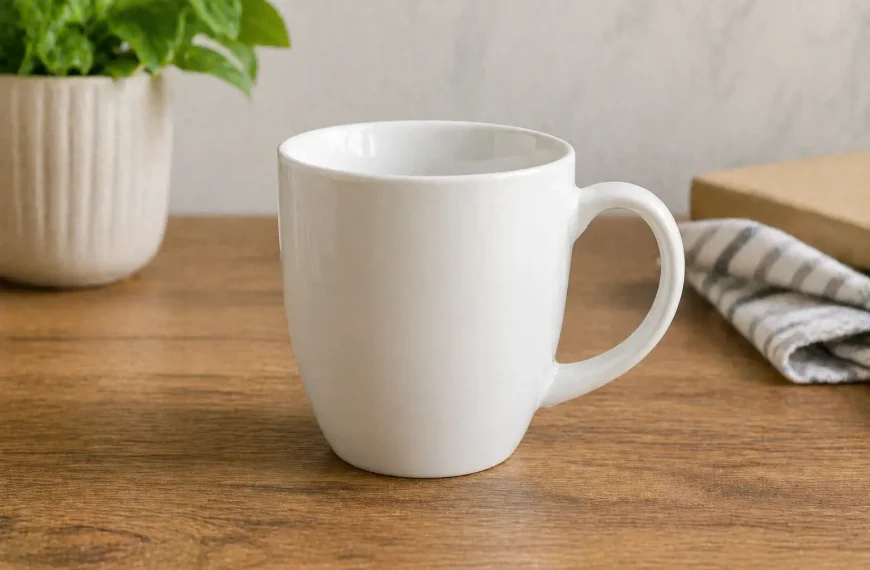

Mug accessories are external components used with drinking mugs to improve three things: surface protection, temperature control, and day-to-day handling. They bridge the gap between what the mug alone can do and what the setting demands, such as preventing heat and moisture damage on a table, slowing temperature loss at a desk, or keeping a drink contained during movement. In practice, these add-ons turn a plain mug into a more controlled beverage setup with clearer limits and fewer failure points.
The strongest functional upgrade in this category is active temperature maintenance through electric warming plates and smart mug warmers, because they target the part of the drinking experience that changes fastest: the drop from “drinkably hot” to “too cool.” A reviewed body of work on hot beverage temperature preference places the most accepted drinking band around 54–60°C (130–140°F), which matches why warmer devices focus on holding temperatures rather than reheating to near-boiling. Controlled consumer testing also shows acceptance clustering around 58–66°C, and reports 68–70°C as a practical floor where no participants called the coffee “too cold,” which explains why safety, shutoff behaviour, and stable holding ranges matter as much as raw heat output.
The accessory ecosystem spans passive base layers like coasters, saucers, and textile mug rugs, plus containment parts like replacement lids and leak-focused seals, and it also includes thermal wraps, cleaning tools, and storage systems that reduce clutter. Performance depends on physical fit and contact, such as the mug’s base geometry and material compatibility on a warmer, and the integrity of lid interfaces when spill control is the goal. The scope boundary is clear: integrated heated mugs belong to a different product class than external warmer coasters and warming plates, even though both aim at temperature control. By functioning as the interface between the user and the environment, these accessories complete the broader operational circuit of Related Products, sitting alongside our drinkware and preparation hardware. With that hierarchy in place, the next step is to sort the foundational accessory categories first, because advanced technology only delivers its benefits when the basic protection and compatibility choices are correct.
What are the things you put mugs on called?
Base-layer mug accessories are surfaces that sit under the mug to protect the table and to stabilise where the mug rests. There are 3 primary entities used in everyday coffee and tea service:
- Coasters
- Saucers
- Mug rugs
They overlap in purpose, but they are not interchangeable in form or serving context. Coasters and mug rugs act like surface barriers against heat and moisture, while a saucer is also part of a serving set that can catch drips and hold a spoon in formal service.
What is a mug coaster and are they necessary for mugs on wood tables?
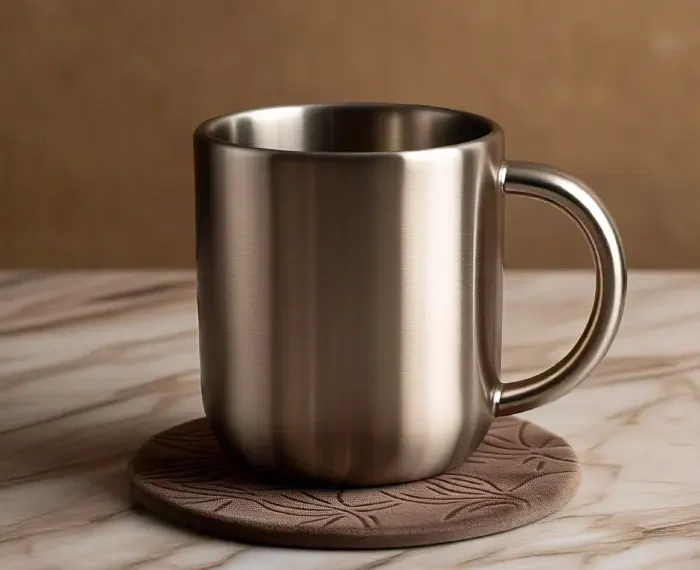
A mug coaster is a small, flat accessory placed beneath a mug or cup to protect surfaces from heat, moisture, stains, and scratches. Coasters are necessary on wood tables when the table finish can be softened by heat or marked by moisture that sits at the contact point under the mug. A wood-surface study on hydrophobisation shows why barrier layers matter: researchers measured water contact angles around 90° on tung-oil-coated wood, and noted that contact angles can rapidly decline on some low-coverage coatings as water penetrates the surface, which supports the real-world problem that wood finishes vary in water resistance and can fail locally under repeated exposure. (uscholar.univie.ac.at) There are 3 coaster functions that directly target that failure mode:
- Block condensation and spills from contacting the finish
- Reduce heat transfer into the finish at the mug base
- Provide a sacrificial surface that is cheaper to replace than refinishing wood
Coaster holder sets matter for daily use because the storage piece reduces scatter, which increases the chance the coaster gets used consistently rather than “sometimes.”
What is a mug saucer and why it is used in modern coffee serving?
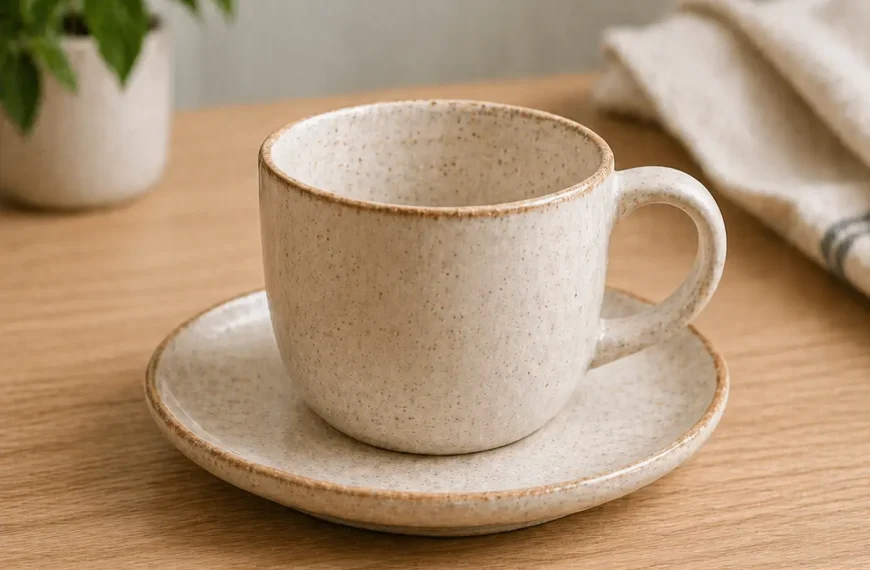
A mug saucer is a shallow plate paired with a cup or mug to catch drips, carry a spoon, and keep the service tidy on a table or tray. It is still used in modern service because it adds a stable carrying surface and a defined “place setting” that keeps liquid contact off the table. Saucer plates are most often ceramic or porcelain in home and café settings, and they are also found in glass and metal for specific styles of service. A saucer can be used as a coaster when its diameter and rim shape allow the mug base to sit stably without rocking. The key distinction is role: the saucer is the formal sibling of the coaster because it is part of a serving set, not just furniture protection.
How do you choose the right saucer size for specific cup types?
Saucer sizing is a matching problem where the saucer must fully support the cup base and still leave a rim zone for drips and utensils. There are 4 practical checks that select a usable size without relying on a universal standard:
- Base fit: the cup base sits fully on the saucer without balancing on a rim curve
- Rim margin: the saucer leaves visible space around the base to catch drips
- Utensil space: a teaspoon can sit without sliding into the cup
- Carry stability: the saucer can be lifted level with one hand without the cup wandering
Espresso cups and cappuccino cups typically have different base proportions than large mugs, so the base-fit check matters more than the label on the saucer.
What is a mug rug, and how is it different from a coaster?
A mug rug is a textile-based, oversized resting mat for a mug that also provides spare surface area beyond the mug’s footprint. A coaster is a smaller, usually rigid or semi-rigid base that is sized mainly to sit under the mug base rather than extend around it. Mug mat is a common synonym for mug rug in some regions, and the main distinction stays the same: the mug rug is designed to be larger and more “placemat-like” in use. In practical use, a mug rug is chosen when the drink routine includes extra items in the same resting zone, such as a biscuit, spoon, or teabag wrapper.
What materials are best for mug rugs and how do you maintain them?
Cotton, linen, and wool are the common base materials because they tolerate repeated washing and provide a soft, stable surface under a mug. There are 3 maintenance priorities that keep a mug rug functional:
- Wash to remove oils and tannins
- Dry fully to avoid odour and mildew
- Maintain surface grip so it does not slide
Machine-washability depends on construction, not just fibre, because stitching density, batting, and backing determine whether the rug keeps its shape after cycles. Slip prevention depends on the bottom layer, and felt or rubberised backing is the typical solution when the rug is used on smooth desks.
What is a mug warmer and do they actually work?
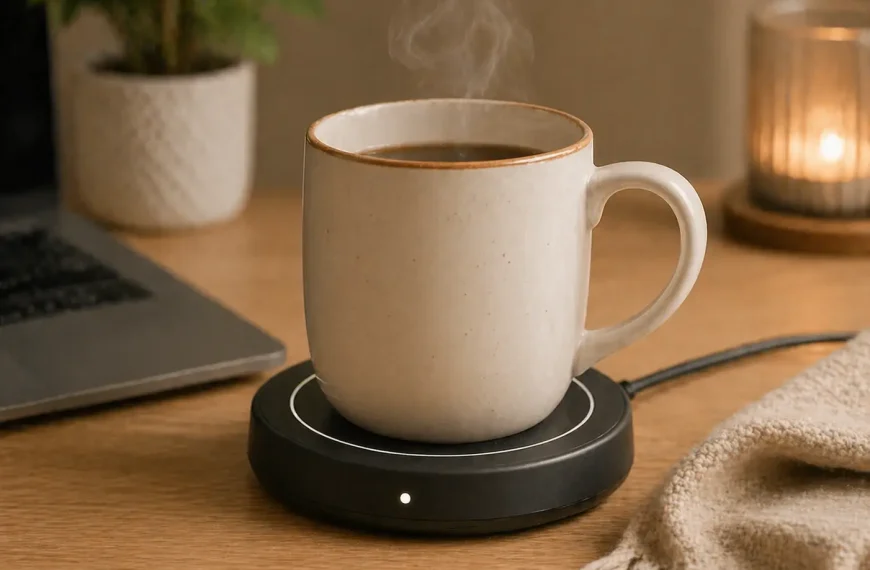
A mug warmer is a small electric accessory designed to keep a mug of coffee, tea, or other hot beverage warm for an extended period. They work when the mug base makes consistent contact with the heating surface. A peer-reviewed review of hot beverage temperature research reports an optimised serving range around 54–60°C (130–140°F) with a preferred value of 57.8°C (136°F) when balancing preference and scald risk, which supports the core warmer value proposition: maintaining a narrow, pleasant zone rather than pushing temperatures back to brewing-level heat. The most common technical failure is poor surface contact, because a curved, textured, or recessed mug base reduces heat transfer into the drink. (Food Science at Oregon State University) There are 3 practical factors that decide whether a warmer performs:
- Flatness of the mug base
- Thermal behaviour of the mug material at the base
- Device control behaviour, including shutoff design
What temperature do mug warmers keep coffee at and are they safe?
Mug warmers are designed to hold coffee in a temperature range that stays acceptable for drinking without forcing it into scald-risk territory. A controlled consumer study on black coffee found that acceptance is maximised around 58–66°C, and that 68–70°C is the minimum range where no participants rated the drink “too cold,” which supports why warmer setups aim for steady holding rather than repeated reheating cycles. There are 4 safety checks that matter more than maximum wattage:
- Automatic shut-off presence
- Stable, non-tipping desk placement
- Cord and spill management around the device
- A mug base that sits flat so the device does not overcompensate
Fire risk and desk safety are mainly about leaving powered heat unattended and placing heat sources near paper, fabric, or clutter.
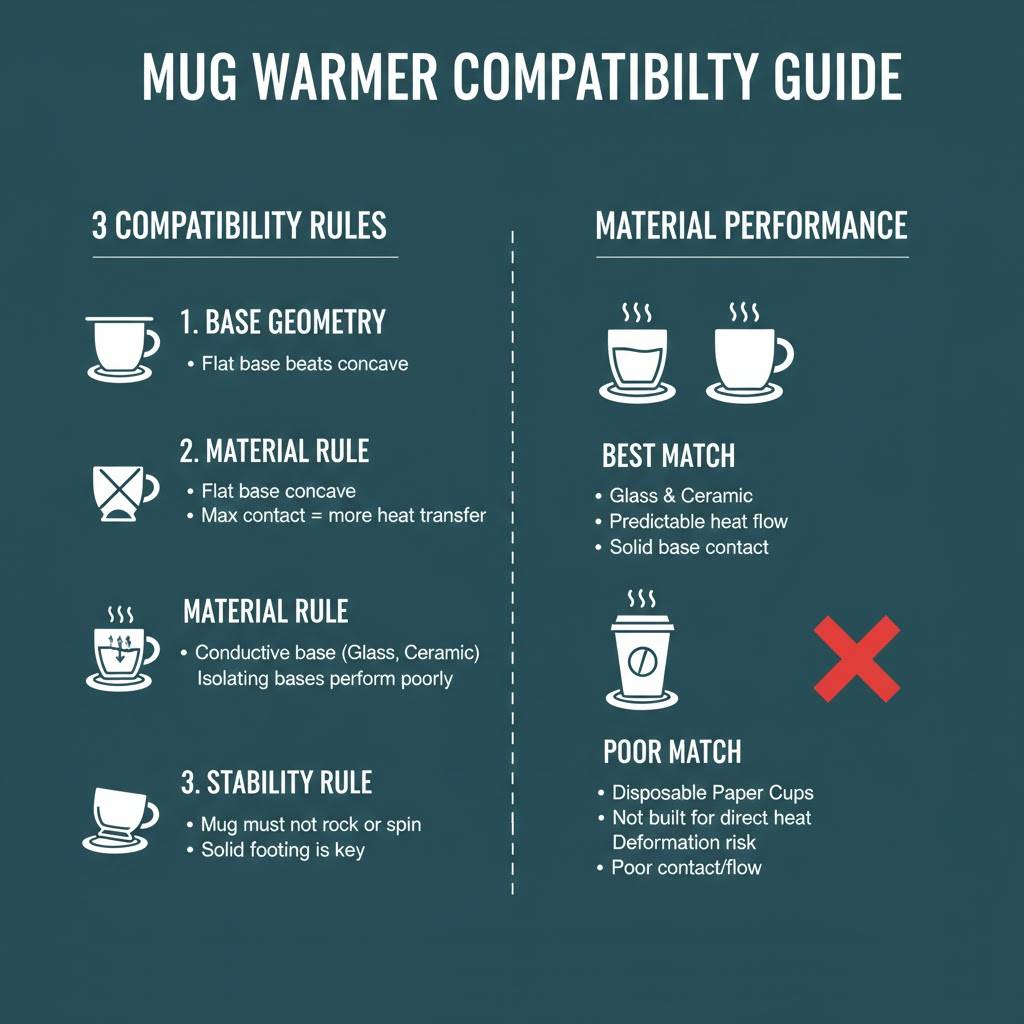
What mugs work best on a mug warmer (Glass vs. Stainless Steel)?
The best mug for a warmer is the one that provides solid base contact and predictable heat flow through the bottom contact zone. There are 3 compatibility rules that determine performance:
- Base geometry rule: flat base beats concave or ring-foot bases because contact area drives heat transfer
- Material rule: a base that conducts heat into the liquid zone predictably performs more consistently than a base that isolates the contact zone from the liquid
- Stability rule: the mug must not rock or spin on the plate
Disposable paper cups are a poor match because their base structure and heat tolerance are not built for direct, continuous contact with a heating plate, and they are more vulnerable to deformation when warmed from below.
What is the difference between a heated mug and a mug warmer coaster?
A heated mug is a self-contained vessel with integrated heating and control, while a mug warmer coaster is an external device that warms the mug from underneath. There are 3 clean comparison points:
- Heat source location: inside the mug system versus outside under the base
- Control method: built-in temperature control versus device-side control behaviour
- Portability: heated mugs travel as a single unit, while coaster warmers depend on a powered surface at the destination
Desk mug warmers are commonly electric, and smart mug warmers add temperature-control features, but they still depend on mug-base contact because they transfer heat through the bottom interface.
What is a mug sleeve or mug cozy used for?
A mug sleeve or cozy is an insulating wrap that reduces heat transfer through the mug wall and protects the hand from hot surfaces. A sleeve often refers to a simpler band-style cover, while a cozy is commonly a thicker, fitted cover, including knitted styles used for comfort and grip. Neoprene sleeves are used because the material insulates and adds friction, which reduces slips. There are 2 core outcomes sleeves target:
- Hand protection from heat
- Slower cooling by reducing heat loss through the side walls
In practice, sleeves can help heat retention, but their most immediate effect is improving grip comfort and reducing “too hot to hold” moments.
How do you choose a thermal wrap or handle cover for your mug?
Choosing a wrap is a fit-and-function decision where the sleeve must match handle geometry and the mug’s diameter without sliding. There are 4 checks that prevent wasted purchases:
- Handle compatibility: the sleeve must not block finger clearance or pinch the handle gap
- Adjustability: adjustable sleeves matter when mugs vary in diameter across a household
- Heat zone coverage: the sleeve should cover the hand-contact zone, not only the middle of the mug
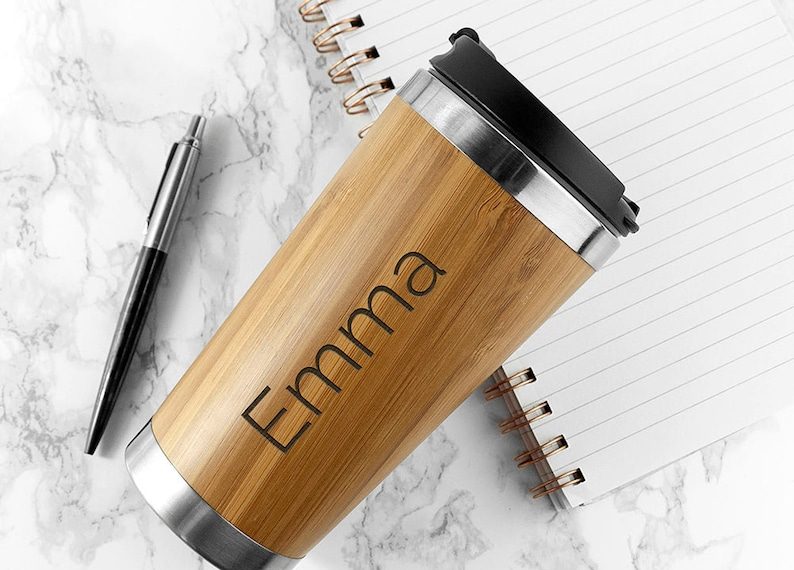
- Use-case matching: travel-mug wraps must tolerate movement and bumping without twisting
Reflective thermal wraps exist as higher-performance insulating layers, and they are selected when the goal is reducing heat loss rather than only improving grip comfort.
What is a mug cover used for, and how do you choose a replacement lid?
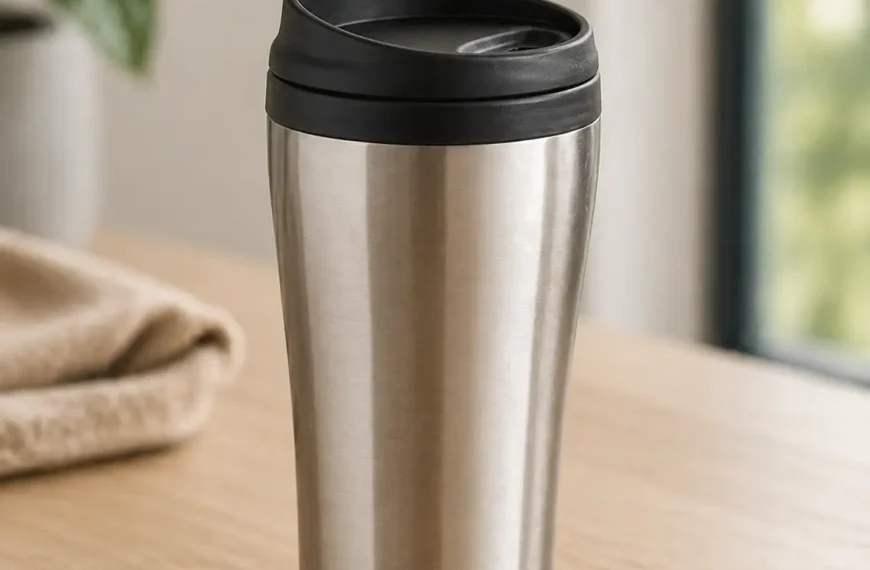
A mug cover is a lid used to reduce spills and splashes, limit contamination from dust or insects, and improve heat retention by reducing evaporation from the liquid surface. Cup covers for hot drinks focus on spill control and heat retention, while dust covers are about keeping debris out when a mug sits unused. Bug covers matter outdoors because they create a physical barrier without needing a sealed travel-lid design. There are 3 buying priorities for replacement lids:
- Fit to diameter and rim shape
- Seal design and gasket quality
- Drinking interface design, such as flip-top, straw port, or venting
Do universal mug lids fit most mugs, and are they leak-proof?
Universal lids fit across many mugs by using flexible silicone rims or adaptable shapes, but leak-proof performance depends on seal integrity and the lid’s locking mechanism. There are 4 common lid types used in mug routines:
- Flip-top lids
- Straw lids
- Vented lids for hot drinks
- Wide-mouth travel mug lids
Leak-proof travel lids usually rely on a gasket or seal that compresses evenly around the rim, and leaks typically come from worn seals, misalignment, or debris trapped in the sealing surface.
How do you replace a travel mug gasket or O-ring?
A gasket or O-ring replacement is a seal maintenance step that restores leak prevention by re-establishing compression at the lid interface. There are 3 rules that make replacements work reliably:
- Match the part shape to the lid model and channel geometry
- Clean the groove before installation so the seal sits flat
- Inspect for twisting after seating because a twisted ring leaks even when new
Replacement travel mug lids and seal parts are typically sold as manufacturer parts, third-party compatible sets, or bundled accessory kits.
What prep and serving accessories pair best with mugs?
Prep and serving accessories are tools that either sit inside the mug during brewing or support serving and dosing around it. Tea infusers, basket infusers, and tea strainers allow loose-leaf brewing directly in the mug while keeping solids contained. Travel mug tea infusers are the same concept adapted to narrower openings and movement, so secure fit matters. Coffee filter inserts for travel mugs exist for drip-style brewing when a full brewer is not available.
What stirring tools and countertop sets support your mug routine?
Stirring and station tools are small accessories that reduce mess and standardise the drink-making area. There are 4 common station items that organise the routine:
- Spoon rests
- Coffee spoons and mug spoons
- Creamer and sugar bowl sets
- Coffee condiment countertop sets
A spoon rest prevents drips from landing on the counter, and a dedicated condiment set reduces scattered sachets and sticky residue around mugs.
What storage and organization accessories manage mug clutter?
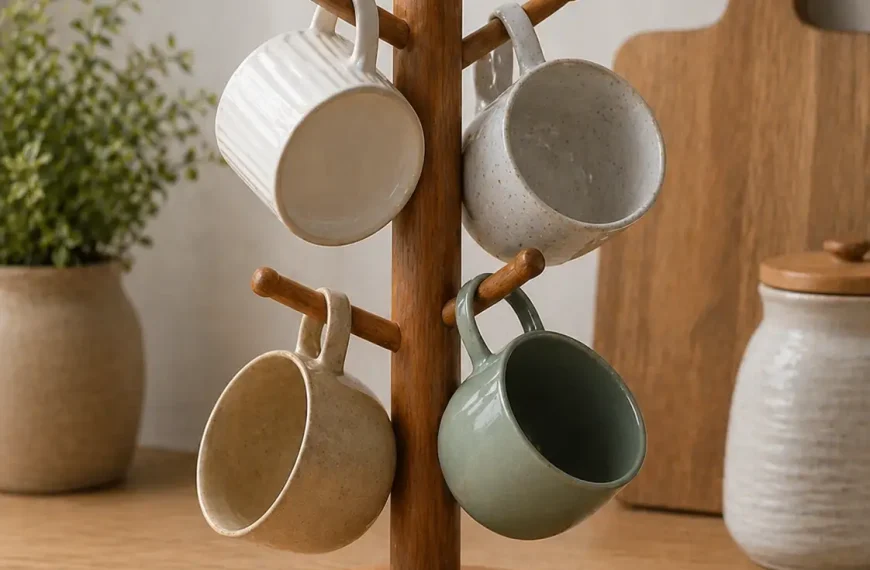
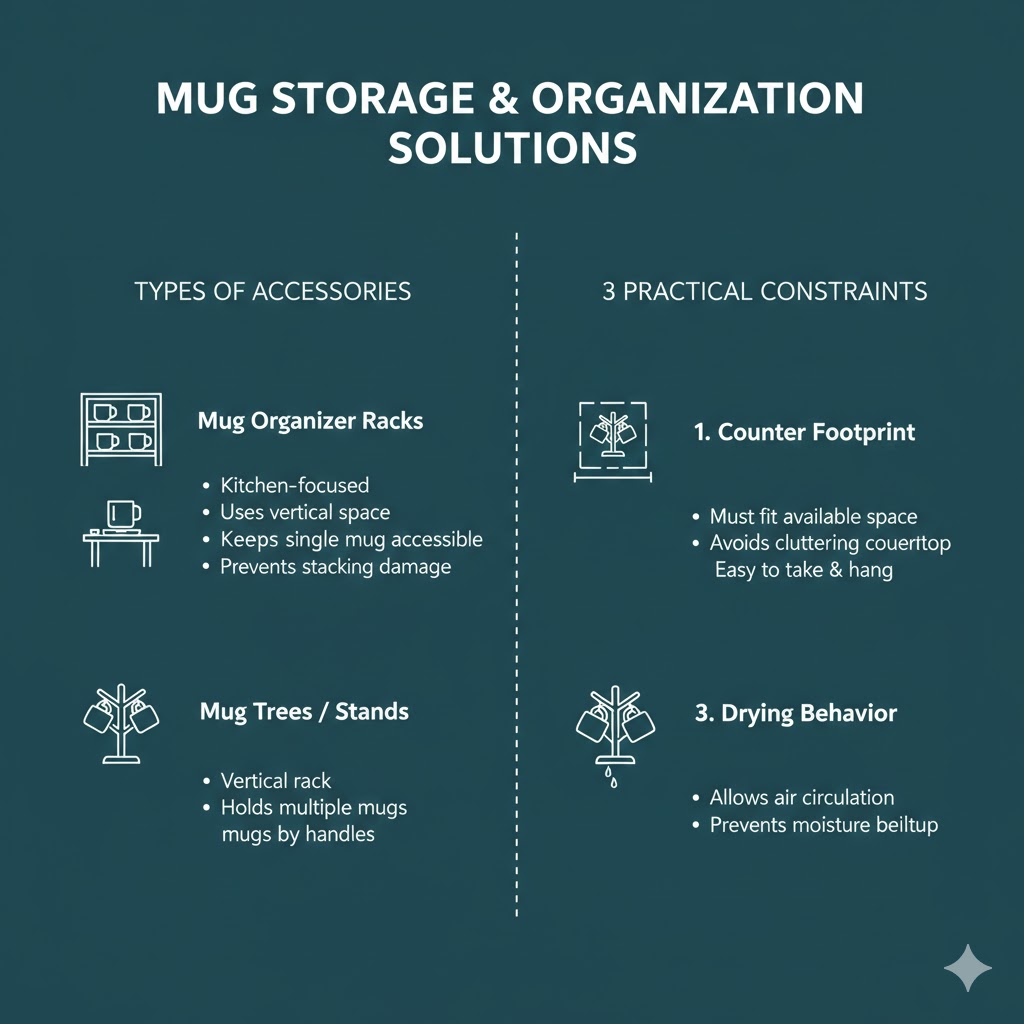
Storage accessories manage mug clutter by using vertical space, hooks, and racks to keep mugs accessible without stacking damage. Mug organiser racks and desk mug holders serve the same core function, but one is kitchen-focused while the other is workspace-focused. Mug trees and mug tree stands are vertical racks designed to hold multiple mugs by their handles. There are 3 practical constraints that decide whether a storage system works in a real kitchen:
- Counter footprint
- Handle clearance so mugs do not knock each other
- Drying behaviour after washing so moisture does not sit in enclosed spaces
What travel, transport, and car accessories make mugs easier to carry?
Travel and car accessories are add-ons that reduce spills, improve grip, and help a mug fit safely in vehicle storage. Carrying cases and travel mug pouches protect the mug body and make one-handed movement easier. Handle straps add control when lids are not fully leak-proof or when the mug is heavy. Car cup holder adapters and expanders solve the fit problem when a travel mug is wider than the built-in holder.
What cleaning tools are essential for maintaining mugs and lids?
Cleaning tools for mugs focus on reaching narrow interiors, scrubbing residue, and removing odour trapped in lid parts and seals. Mug cleaning brushes and travel mug brushes target the interior wall, while bottle brushes match deeper vessels. Straw cleaning brushes are specialised for narrow tubes, and lid cleaning needs small brushes that reach gasket grooves and sliding seals. There are 3 common hygiene targets in travel systems:
- Residue in lid channels
- Odour in gaskets and seals
- Biofilm risk in straws and narrow vents
Cleaning tablets and coffee stain removers are used when standard soap and rinsing do not remove tannin staining or persistent odours.
What is the safest and most enjoyable serving temperature for hot drinks, and why does it matter?
Serving temperature matters because it sits at the intersection of taste acceptance and burn risk, and both are driven by the same variable: heat level at the moment of contact. A hot beverage temperature review in a peer-reviewed journal describes a practical recommended service band of 130–160°F, framed as balancing consumer preference with safety rather than serving at brewing temperature. (PubMed).
What temperature range do studies suggest people prefer for drinking coffee, and when does it start feeling “too cold” or “too hot”?
Preferred coffee drinking temperatures cluster in a narrow band where the drink still tastes “hot” without feeling painfully hot on contact. Brown and Diller’s serving-temperature work reports a consumer preferred drinking temperature of 140±15°F (60±8.3°C) for a population of 300 subjects, which shows preference is not a single number but a bounded range. That range is the reference point used by many service discussions because it gives a temperature window that can be managed with pour timing, mug choice, or a warmer.
What temperatures increase scald risk, and how do serving practices manage burn risk without changing the mug itself?
Scald risk rises fast because burn severity depends on both temperature and exposure time. A clinical review on scald burns reports that deep second- or third-degree scald injury can occur at about 60°C for 5 seconds or 70°C for 1 second, reflecting the steep temperature-time relationship in thermal injury. (PMC) There are 4 service practices that reduce scald risk without changing the mug:
- Serve below brewing temperature by allowing a short cooling interval before contact
- Avoid overfilling so slosh does not reach the rim during movement
- Use stable placement zones on trays and tables to reduce accidental tipping
- Keep hot liquids away from edges where a bump turns into a spill
How do common cooling dynamics (time, room temperature, mug material) change the temperature a drink reaches in the first 10–15 minutes?
Cooling dynamics are governed by heat leaving through the mug walls and surface evaporation from the drink, so the mug’s material and lid use change how quickly “drinkably hot” becomes “lukewarm.” A temperature-preference study found that acceptance is strongest around 58–66°C and that 68–70°C acts as a floor where participants did not label black coffee “too cold,” which provides a numeric target zone to think about when timing the first sips and when deciding whether a warmer or lid is worth using. There are 3 levers that shift the early cooling curve in normal use:
- Surface exposure: an open mug loses heat faster than a covered mug
- Thermal mass and conductivity: thicker, higher-mass materials hold heat differently than thin walls
- Environment: airflow and room temperature drive how quickly heat leaves the mug and the drink surface
The practical end-point: build a mug setup that matches the setting
A functional mug accessory setup is the one that matches where the mug is used and what failure happens most often, such as rings on wood, drinks cooling too fast, or cluttered storage. There are 3 high-impact zones that cover most real routines:
- Protection: coasters, mug rugs, and saucers to control heat and moisture contact
- Thermal management: warmers, sleeves, and lids to control drink temperature and handling comfort
- Organisation and hygiene: racks, carriers, and cleaning tools to reduce clutter and keep seals and straws clean
Once those zones are chosen deliberately, specialised add-ons become easier to evaluate because the goal is already defined for the long-term utility of your mugs.