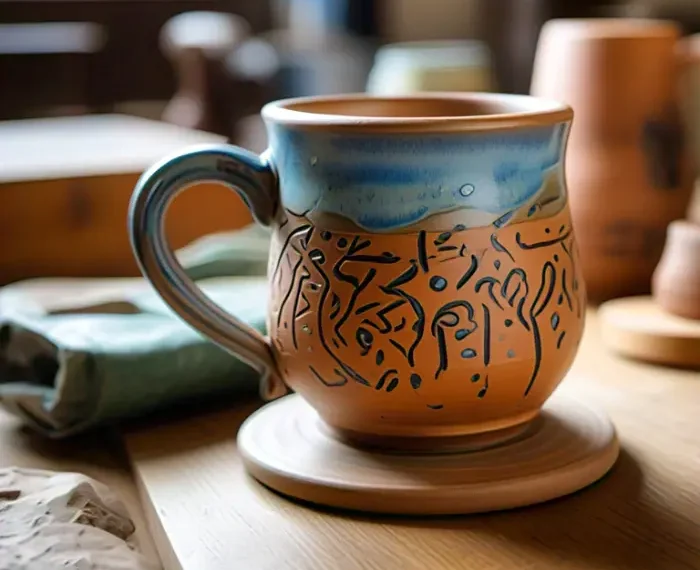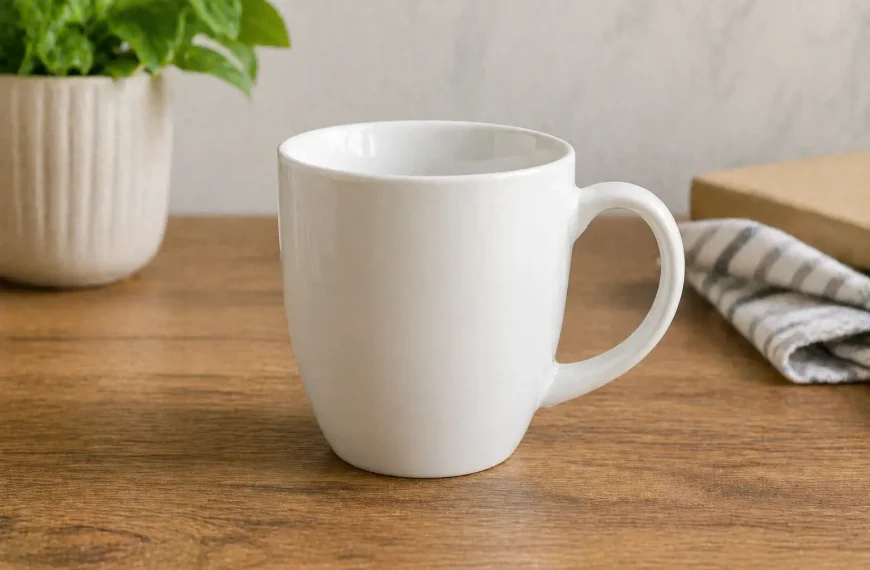

Beverages used in mugs are drinks chosen for a handled drinking vessel where temperature control, grip, and serving volume matter most. The clearest example is the Moscow Mule, which is traditionally served in a copper mug because copper chills the drink fast, but the same pairing also raises a safety constraint: guidance tied to FDA rules warns against contact between copper and acidic foods below pH 6 because copper can leach into the drink.
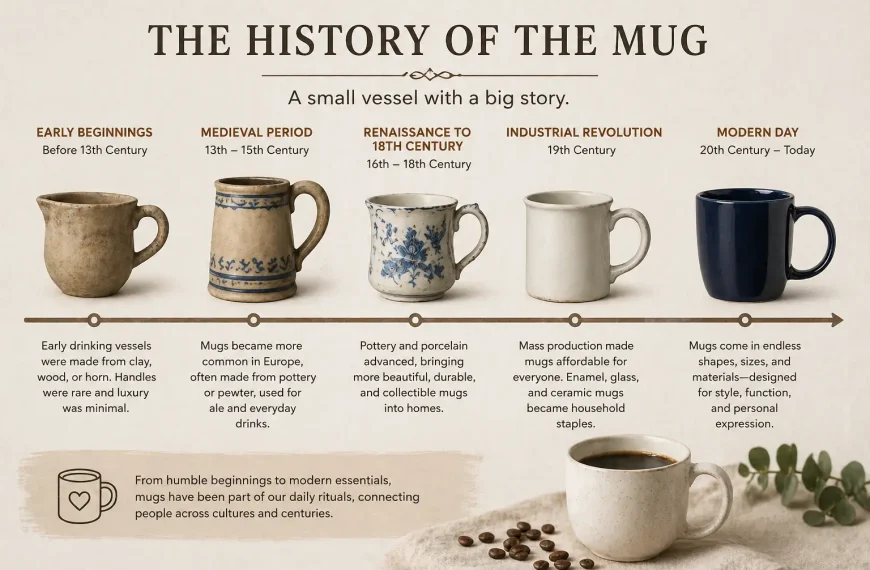
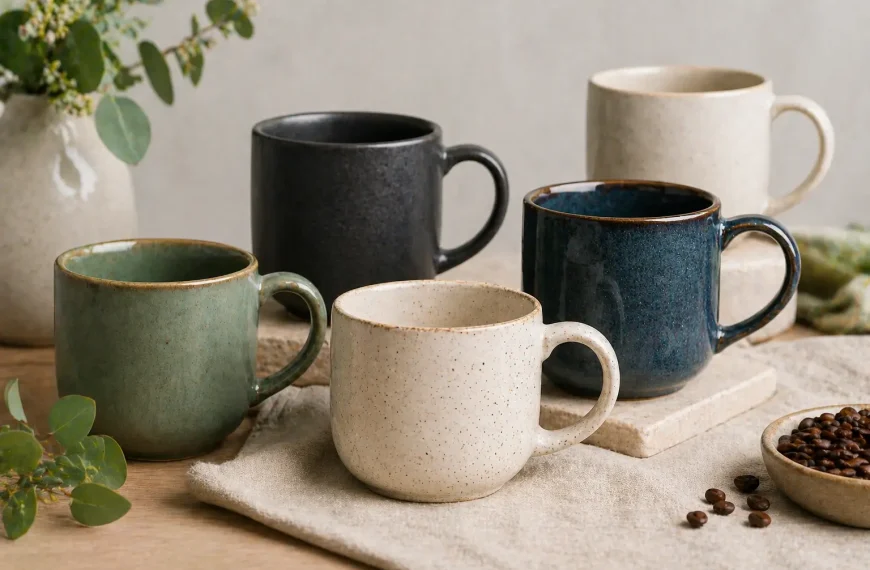
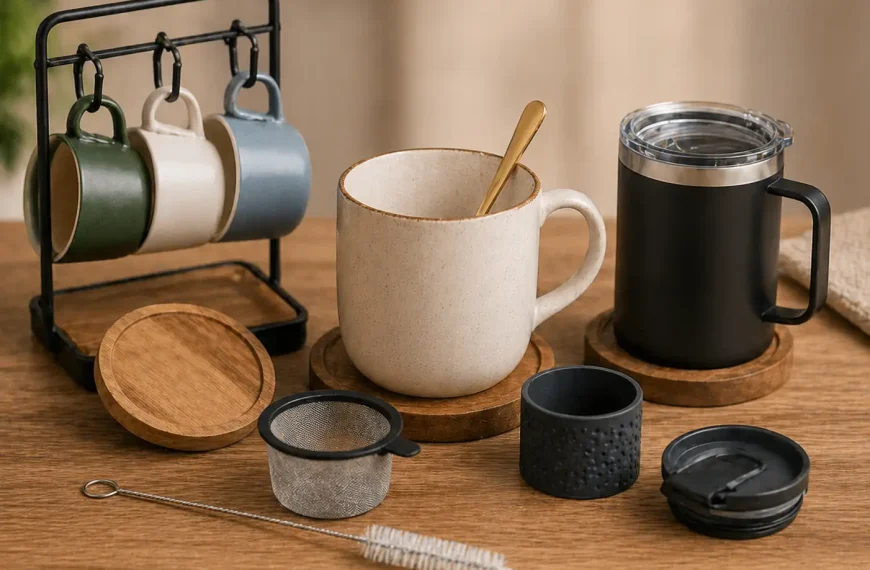
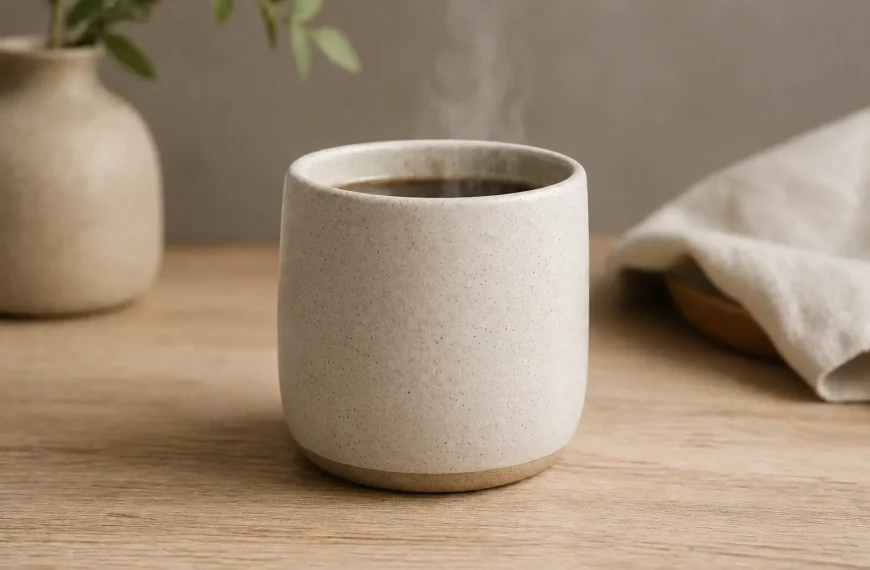
Beyond specialty metal mugs, mug use is dominated by everyday coffee and milk-based drinks, where the vessel is doing practical work: keeping heat in, giving enough headspace for foam, and staying comfortable in the hand. Material properties support that logic: measured thermal conductivity values show ceramic around 3.8 W/m·K, glass around 1.1 W/m·K, and steel around 14.3 W/m·K, which helps explain why thick ceramic and insulated designs are common for hot drinks while metal is often paired with lids for portability.
Serving size is part of the same fit between liquid and vessel. A typical “standard” reference point is 1 cup = 240 mL, and common mug capacities cluster around the 240–350 mL range, which matches the everyday brewed-coffee and latte-serving formats covered across the outline (black coffee through milk-heavy drinks, plus seasonal variants and tea-based lattes).
Coffee sits at the centre of modern mug use because the mug’s thicker walls, larger volume, and stable geometry suit hot, high-volume servings. Even sensory work supports treating the vessel as part of the drinking system: a large-sample specialty-coffee study found that cup shape changes perceived aroma, sweetness, and acidity, so the choice between a shallow cup, a wide mug, or a taller mug is not only about capacity but also about how the drink is experienced. This intersection of sensory science and vessel choice is a cornerstone of the broader social traditions and historical shifts explored within Usage & Culture.
Why is coffee usually served in a mug instead of a cup?
Coffee is usually served in a mug because the mug is built for heat, grip, and everyday serving volumes, while many “cups” are designed for smaller servings and formal table settings. A typical mug capacity sits around 250–350 mL (8–12 US fl oz), which matches common brewed-coffee portions better than many smaller coffee cups. In coffee competitions, even the definition work treats the vessel as part of the drink: the World Barista Championship defines espresso as around 30 mL (1 fl oz), which helps explain why espresso is not the default “mug drink” in most settings. The mug’s handle also matters because it reduces hand contact with a hot body, so the drink stays comfortable to hold for longer.
How do temperature, volume, and foam influence the choice?
Choosing a mug is mainly a temperature and geometry decision: a thicker vessel slows heat loss and a deeper shape supports headspace and foam. In a controlled tasting study on specialty coffee with 276 participants, cup shape changed perceived aroma and taste: aroma was rated stronger in a tulip-shaped cup, while sweetness and acidity were rated more intense in a split-shaped cup. That result supports a practical rule: vessel shape can change the sensory experience, so a deeper mug with a stable rim can make milk-foam drinks feel different than a shallow cup. Serving volume also pushes coffee toward mugs because a “cup” as a measurement is commonly anchored around 240 mL in the U.S. reference table used for kitchen equivalencies.
Which beverage characteristics make mugs a common choice?
Mugs fit beverages that are hot, high-volume, or physically messy to drink from thin glassware. There are two characteristics that repeatedly push drinks into mugs:
- Heat load
- Viscosity and toppings
Heat load matters because hot drinks stay in-hand for minutes, not seconds, so a handle and thicker walls reduce discomfort. Viscosity and toppings matter because cocoa, whipped-cream drinks, and syrup-heavy coffees need a wide enough opening and enough headspace to stir without spilling.
Which everyday coffee drinks are commonly served in mugs?
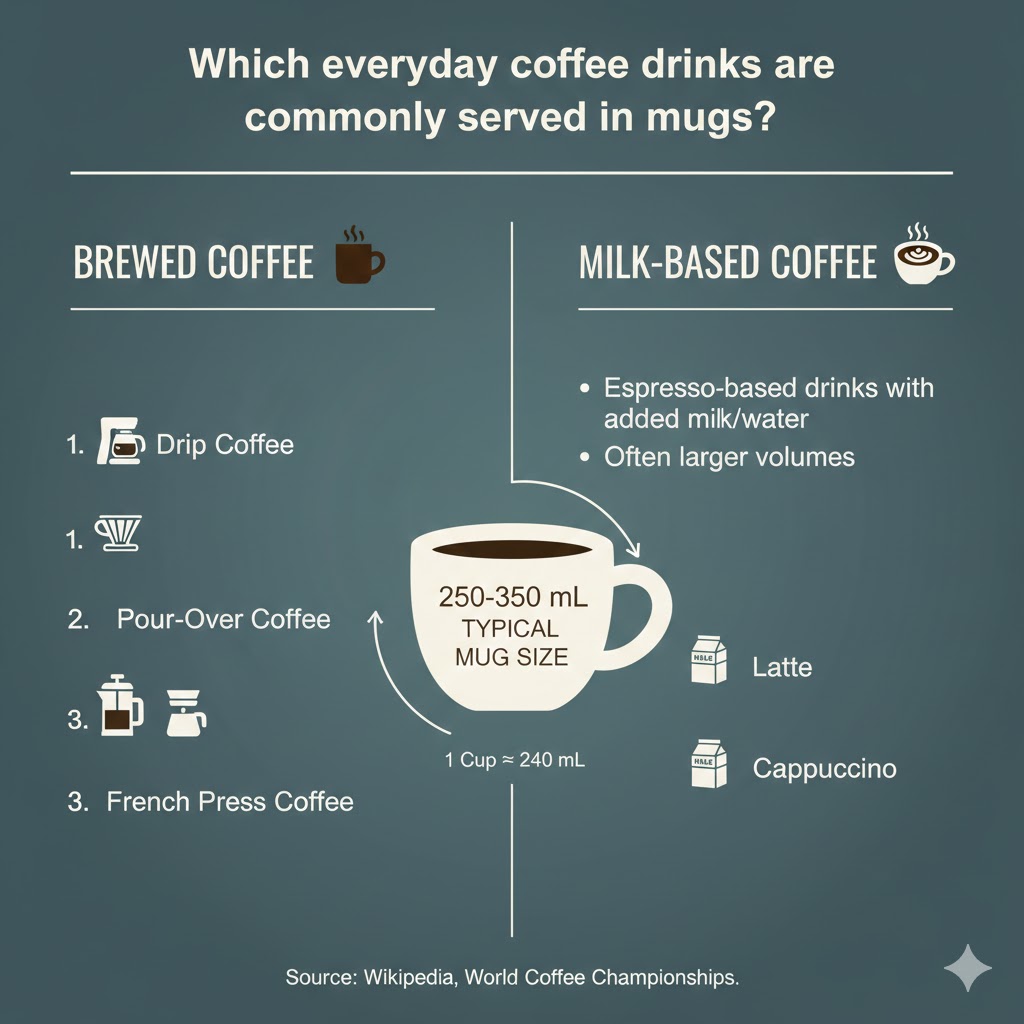
Everyday coffee drinks served in mugs cluster into two groups: brewed coffee and milk-based coffee, with mug size acting as the bridge between them. A typical mug holds about 250–350 mL, which sets the practical “mug zone” for most daily coffee servings. In competition standards, espresso sits around 30 mL, which highlights why drinks built from espresso often move to larger vessels once water or milk is added.
What is brewed coffee in a mug and its capacity?
Brewed coffee in a mug is coffee made by steeping or filtering ground coffee with hot water, then serving it in a handled vessel sized for a full portion. There are three common brewed formats that show up in mug use:
- Drip coffee
- Pour-over coffee
- French press coffee
A standard reference point for liquid volume is 1 cup = 240 mL, and typical mugs commonly span 250–350 mL, which is why a single mug often represents “one serving” in daily life even though it is not a strict measurement unit. (NIST)
Can you serve an Americano in a mug?
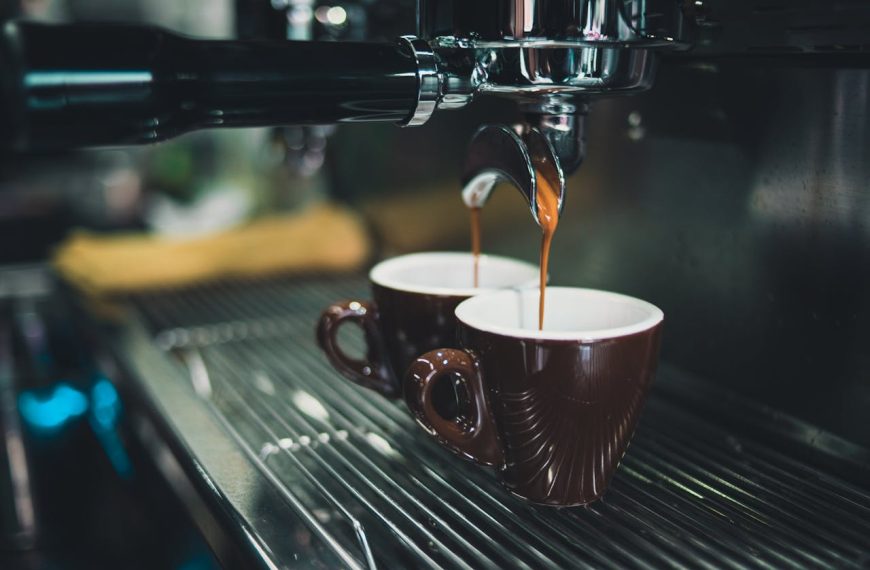
An Americano belongs in a mug when it is built as an espresso diluted with hot water to reach a full drinking volume. The key distinction is dilution: once the drink moves beyond espresso-scale volume, a mug becomes the normal fit. World Barista Championship rules define espresso as around 30 mL, which is far below typical mug capacity, so adding water pushes the drink toward mug serving sizes. Espresso itself, and shorter milk drinks built close to espresso volume, do not need mug volume to be functional.
What’s the best mug for lattes and cappuccinos?
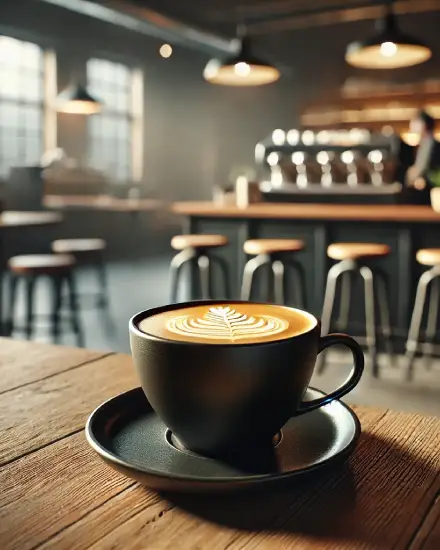
The best mug choice depends on whether the drink is “cup-defined” or “mug-defined” by volume. In World Barista Championship rules, a cappuccino is served in a 150–180 mL cup, which is smaller than a typical mug and helps explain why traditional cappuccino service often uses a smaller handled cup rather than a big mug. For larger milk drinks, a wider rim supports sipping comfort and can support latte art, while a taller vessel supports layered looks and reduces spill risk during carrying.
Which milk-based wellness drinks are served in mugs?
Milk-based wellness drinks are served in mugs because they are hot, stirred, and often include powders or spices that need mixing and heat stability. Two common examples are:
- Golden milk (turmeric latte)
- Ginger latte
Both are built around heated milk and suspended ingredients, so a mug’s handle and thicker walls make it easier to hold and stir safely. These drinks also benefit from mug volume because the liquid is often prepared as a full serving rather than as a small “shot-style” beverage.
Which flavored and seasonal coffee drinks are popular?
Flavoured and seasonal mug drinks concentrate syrups, spices, and toppings into a hot drink that is meant to be held and sipped slowly. The mug matters because it provides headspace for whipped cream, foam, or spice dusting without overflow. There are 7 common flavour directions that show up repeatedly in seasonal mug menus:
- Vanilla
- Caramel
- Hazelnut
- Cinnamon
- Maple
- Berry
- Ginger snap
What are the best holiday mug drinks (PSL, Eggnog)?
Holiday mug drinks are built around warmth, spice, and a full serving size that stays enjoyable as it cools. Two common holiday clusters are:
- Pumpkin spice-style drinks
- Eggnog-based drinks
Eggnog also appears in alcoholic forms, which is why it overlaps with “spiked” mug drinks in winter contexts. Mug serving makes sense because these drinks are dense and often topped, so the vessel needs both stability and headspace.
Which traditional teas and herbal infusions use mugs?
Traditional teas and herbal infusions use mugs when the drink is brewed for longer extraction, made in larger servings, or served as a comfort drink rather than a formal tea setting. Mug volume around 250–350 mL lines up with a “long steep” drink that can be sipped over time. Brewing time also matters because extraction changes with time: a peer-reviewed study on black tea infusions found infusion time influences polyphenol content and antioxidant activity.
Can you serve a London Fog, Chai Latte, or Earl Grey?
A London Fog is served well in a mug because it is tea plus milk, built as a larger, hot drink rather than a small cup pour. Earl Grey commonly appears in mug format when it is prepared as a milk tea (London Fog style) because the drink is meant to be held and sipped. Mug serving also matches the brewing-time patterns used for many teas: recommended brew-time tables commonly place black teas like Assam and Darjeeling at 3–4 minutes, which fits a larger, longer-sip format. Chai and chai lattes also fit mugs because they are spiced and often milk-based, so they are mixed and served as a full-volume drink. (tea.co.uk)
Which herbal infusions and wellness teas are best?
Herbal infusions work well in mugs because they are often brewed as full servings and consumed for comfort and hydration. There are 6 common herbal mug infusions that show up repeatedly in everyday use:
- Peppermint
- Ginger
- Dandelion
- Rooibos
- Honey lemon ginger
- Berry infusion
The practical reason is that many people brew them “long,” and research on tea extraction shows time affects what ends up in the cup.
Which chocolate and specialized hot drinks use mugs?
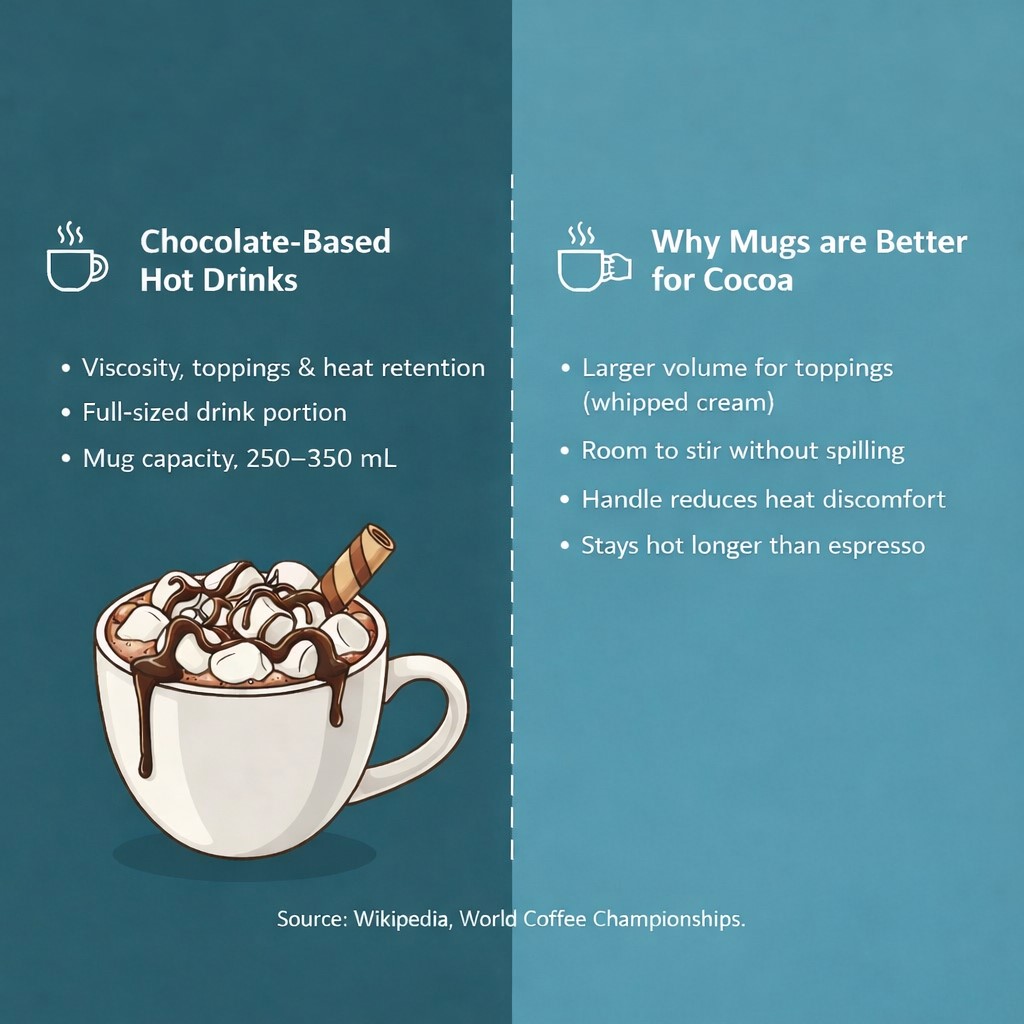
Chocolate-based hot drinks use mugs because viscosity, toppings, and heat retention matter at the same time. Mugs also match the cultural norm of serving hot chocolate as a full-size drink rather than a small tasting portion, and a typical mug capacity sits around 250–350 mL.
Is hot chocolate better in a mug or a cup?
Hot chocolate is better in a mug because it is served as a larger drink with toppings and needs room to stir without spilling. The mug’s typical 250–350 mL capacity fits a full cocoa serving and leaves space for marshmallows or whipped cream. In practice, the handle also reduces heat discomfort, which matters because cocoa is usually held in-hand longer than a quick espresso-style drink.
Can you serve soup, broth, or savory liquids in a mug?
Soup and broth can be served in a mug when the goal is a quick, portable “mug meal” format with a handle for heat control. The handle makes a difference because the liquid is often near-boiling and the vessel is held like a drink, not eaten like a bowl. Two common mug-served savoury or tart-hot liquids are:
- Broth or light soup
- Hot lemon water or hot lemonade
The functional test is simple: if the liquid is sipped and carried, a mug is the practical vessel.
Which alcoholic “Spiked” drinks use mugs?
Alcoholic mug drinks split into two vessel styles: clear glass mugs for layered visuals and ceramic mugs for heat and grip. Mug serving is common when the drink is hot, topped, or served slowly, because the handle reduces heat discomfort and supports long sipping. Mug volume still anchors the experience, with common mugs around 250–350 mL. (Wikipedia)
What is Irish coffee and the vessel requirements?
Irish coffee is typically served in a clear glass mug because seeing the cream layer is part of the drink’s identity. The practical requirement is visibility plus heat tolerance, so the vessel is usually clear and thick enough to handle hot coffee. A common reference serving size for Irish coffee glassware is around 250 mL, which aligns with a standard mug-like portion while preserving the layered look.
Is a Hot Toddy or Buttered Rum served in a mug?
A hot toddy is served in a mug because it is a hot, aromatic drink meant for slow sipping, and it is built from a small set of ingredients mixed directly in the vessel. A classic recipe definition uses four core ingredients:
- Hot water
- Whiskey
- Honey
- Lemon
Buttered rum is also mug-suited because it contains fat and sugar that need heat to stay dissolved and smooth.
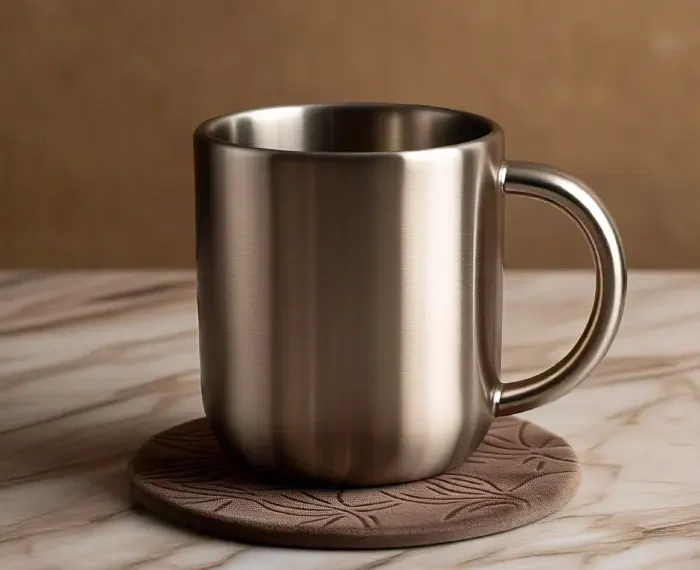
Why is a Moscow Mule served in a copper mug?
A Moscow Mule is served in a copper mug because copper’s high conductivity makes the rim and wall feel colder, reinforcing the “icy” sensation of a chilled cocktail. Safety is the limiting factor: a peer-reviewed kinetics study notes the U.S. FDA recommendation that beverages with pH < 6.0 should not contact copper or copper alloys due to leaching risk, and it also cites a Council of Europe release limit of 4 mg/kg for copper in foodstuffs. That is why lined mugs exist: lining reduces direct copper contact for acidic drinks like lime-based cocktails. The practical check is not “copper looks right,” but whether the drink-contact surface is lined and whether the beverage is acidic. (PMC)
Is beer better in a glass mug or a pint glass?
Beer is better in a glass mug when thermal mass and grip matter more than aroma-focused headspace. A thicker mug wall can keep the drink colder longer by slowing warming from the hand, and the handle reduces direct heat transfer from the palm. Larger mug-like beer vessels also exist as a distinct class, separate from standard mugs: mug-shaped vessels much larger than typical mug volume are often discussed as tankards rather than everyday mugs.
Can you serve iced coffee or cold brew in a mug?
Iced coffee and cold brew can be served in a mug when the mug is chosen for insulation or comfort, not tradition. A thick ceramic mug can slow warming from the hand and reduce immediate condensation on the outside compared with thin glass. Cold mug drinks that commonly fit this format include:
- Iced coffee
- Cold brew
- Iced mocha
- Matcha cold brew
- Frappé-style blended coffee
The practical limiter is lid and carry: if the drink is taken on the go, a travel mug design is usually a better fit than an open mug.
Can you serve boba tea (bubble tea) in a mug?
Boba tea can be served in a mug, but it is often awkward because the drink depends on a wide straw and suspended tapioca pearls. The better mug fit is milk tea without pearls, where the mug behaves like a hot tea latte vessel rather than a “straw drink” container. Two practical constraints decide this:
- Straw logistics
- Pearl settling and sip flow
If a straw is essential for the drink, a mug is rarely the most functional vessel.
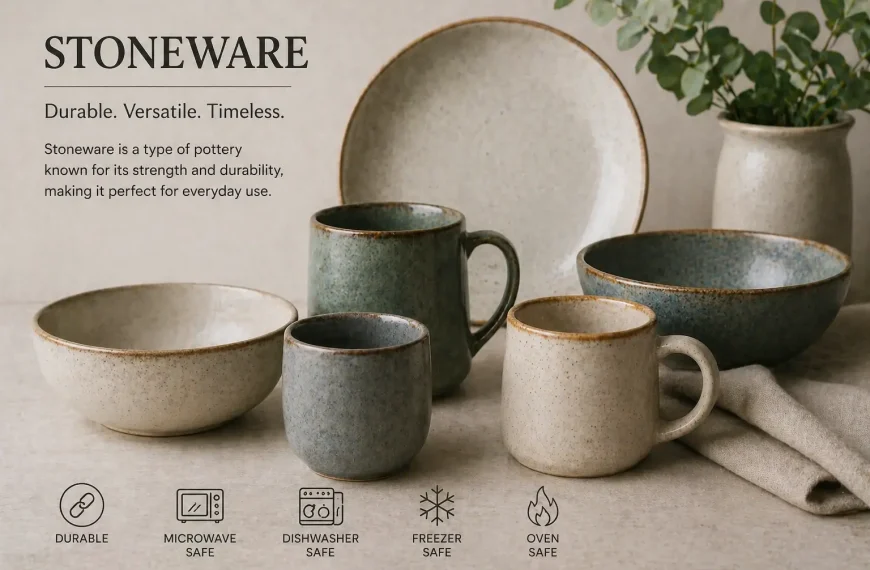
Do ceramic, glass, or double-wall mugs stay hotter?
Ceramic, glass, and double-wall mugs keep drinks hot for different physical reasons: thermal conductivity and insulation design. A research review on coffee receptacles highlights that cup properties matter enough to shape the tasting experience, noting a scale claim of about 400 billion cups of coffee consumed every year and summarising evidence that material and other physical cues influence perception. (ScienceDirect) For the heat side, a basic reference table of thermal conductivity values shows why materials behave differently: glass around 1.1 W/m·K, ceramic around 3.8 W/m·K, and steel around 14.3 W/m·K. (Those numbers support the practical point: double-wall designs and air gaps are often more important than the base material alone.) Pre-heating also matters for hot drinks because warming the vessel reduces early heat loss into the mug wall.
What is a tiki mug and what drinks are served in them?
A tiki mug is a decorative ceramic vessel associated with tropical cocktail presentation, often used to serve mixed drinks with crushed ice, fruit, and strong aromas. The functional point is not heat retention but presentation and grip: thick ceramic stays comfortable to hold even with icy drinks. Tiki mugs also appear in niche overlaps where mug-style cocktail service is part of the experience, including mule-style drinks and some eggnog cocktails.
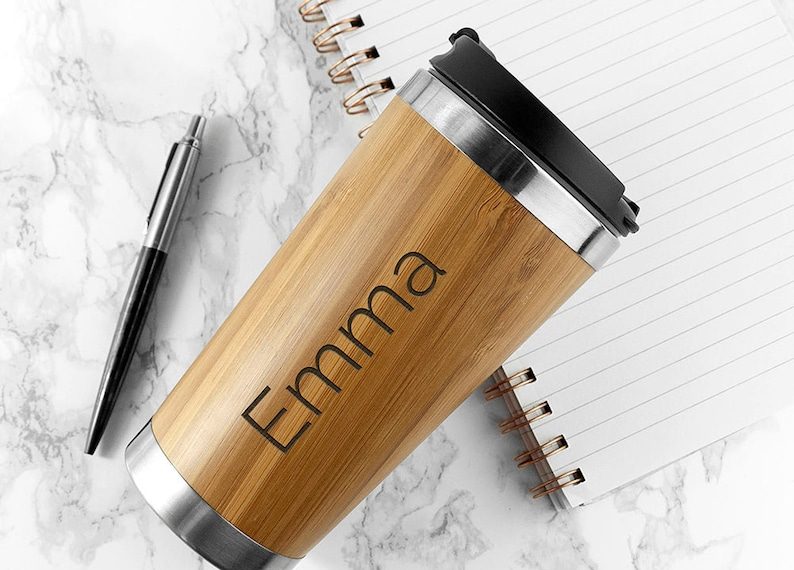
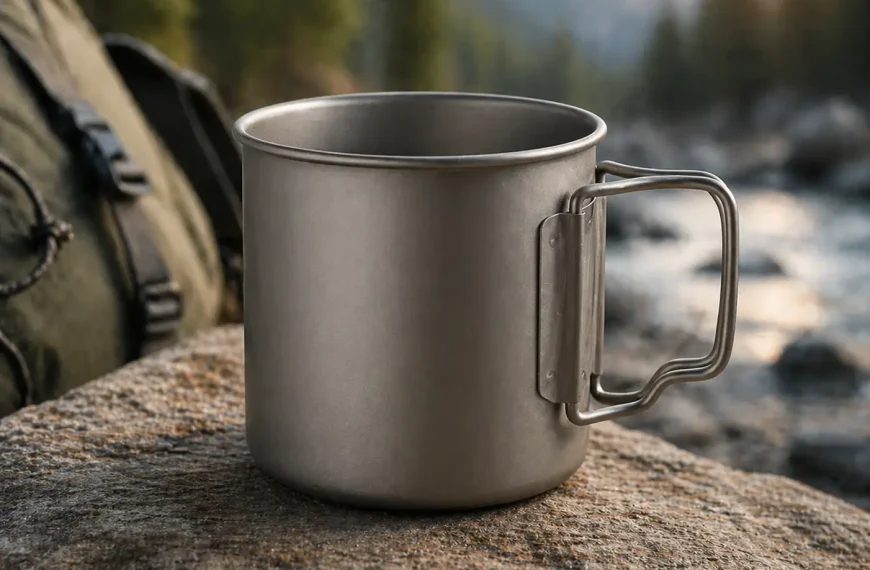
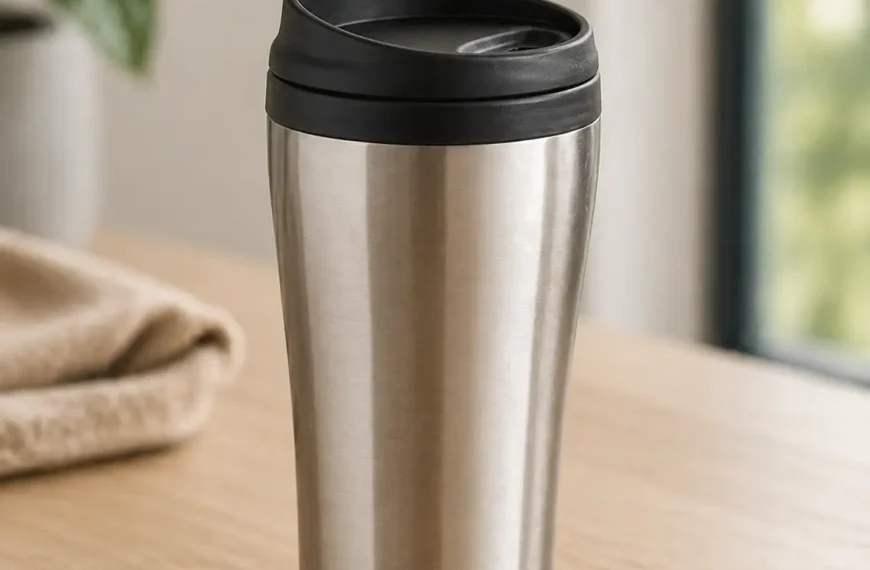
What is the best mug for camping and travel?
The best camping and travel mug is chosen around durability, sealing, and how the drink is carried. There are 2 material families that dominate this context:
- Stainless steel
- Enamel-coated steel
A travel setting adds a second requirement beyond heat: the vessel must work during motion, so travel mugs with lids and tight seals become the practical choice when the drink is carried. When milk-based drinks are carried, the safe-use focus shifts toward cleaning and preventing residue build-up in lids and seals, because the vessel becomes both a drink container and a storage container.
What is the environmental impact of mugs and reusable cups compared with disposable cups?
Reusable mugs and cups can reduce environmental impacts compared with single-use cups, but only after they are reused enough times to “break even.” A United Nations Environment Programme meta-analysis reports that many studies find a break-even range from 10 to 670 uses, depending on material comparisons, end-of-life assumptions, and especially washing assumptions. It also states washing is often the most significant contributor to the life-cycle impacts of reusable cups, with manufacturing next. That means the “best mug” environmentally is often the one that is actually reused frequently and washed efficiently.
What is the “break-even point” in cup life-cycle studies, and why does it matter?
The break-even point is the number of uses required for a reusable cup or mug to match or beat a single-use alternative on an impact measure such as climate impact. UNEP’s synthesis reports break-even points commonly ranging from 10 to 670 uses, showing that the answer changes with assumptions rather than being one fixed number. It matters because the same reusable mug can be better or worse depending on whether it is used daily or only occasionally.
How do washing method, energy mix, and water use change the footprint of a reusable mug?
Washing assumptions drive a large share of the difference because they determine energy and water per use. UNEP’s synthesis states washing is often the most significant contributor to the life-cycle impacts of reusable cups, and it flags water temperature and whether washing is by hand or machine as key determinants. A reusable mug only stays “low impact” when washing and reuse patterns stay consistent with those assumptions.
Practical decisions: which mug styles reduce waste without undermining daily use?
The most effective choice is a mug style that gets reused enough times to clear the break-even range reported in studies. UNEP’s review places the break-even range as low as 10 uses in some comparisons, which is achievable in a few weeks for a daily commuter mug, but it can be far higher under different assumptions. In practice, leak resistance and durability decide whether reuse happens at all, so travel mugs and sturdy everyday mugs often deliver the real-world benefit when they are actually carried and used.
The mug-beverage match in one sentence
The best beverages for mugs are the ones that need a handled vessel in the 250–350 mL range for heat, grip, and stable sipping, while smaller “cup-defined” drinks like espresso live closer to 30 mL and belong in smaller vessels.