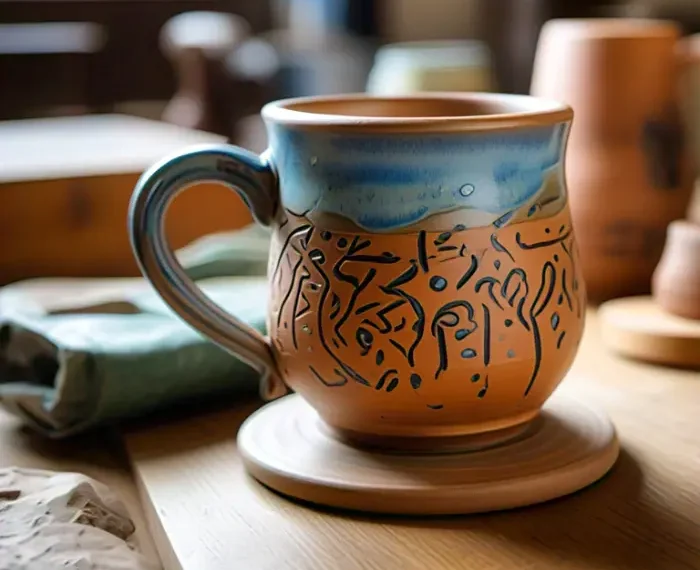

Appliances used to prepare mug beverages are the electrical and mechanical systems engineered to heat water, extract coffee by gravity or pressure, and texture milk so the liquid can be served in a drinking mug. In most setups, these systems are designed to brew directly into a mug or into a vessel that is later poured into a mug. Brewing spans three mechanical paths: immersion tools such as a French press, gravity-fed brewers such as drip machines and pour-over drippers, and pressure-driven espresso machines that commonly target about 9 bar during extraction. Brew-water temperature is controlled within a narrow hot-extraction range, around 90–96°C, which is why heating and control hardware is a defining feature across machines.
The same preparation station also includes the interface tools that make espresso workable day to day, including the portafilter system, baskets, tampers, and frothing pitchers, plus dedicated milk-and-foam appliances for latte-style mug drinks. Convenience formats sit in the same ecosystem as single-serve pod machines, where the capsule and holder become part of the workflow even though the extraction path is constrained by the pod format. The outer boundary of mug preparation is not only coffee extraction hardware, because hot-water appliances such as electric kettles, water boilers, and dispensers are central to specialty tea and manual brewing, and the final fit still depends on the mug through spout height, drip-tray clearance, and cup geometry that changes how aroma escapes. These machines represent the mechanical side of a broader ecosystem that includes the non-mug drinkware and accessories found in Related Products
What appliances are used to prepare beverages for mugs?
Beverage preparation for mugs typically involves several appliance categories, including coffee machines for brewing, espresso machines for pressure-based extraction, kettles and boilers for hot water, milk systems for texture and volume, and manual brewers that operate without electricity. These systems either brew directly into a mug or produce a beverage that is poured into a mug for serving.
What is a coffee machine and how does it work?
A coffee machine is a mechanical extractor that heats water, moves it through coffee grounds, and delivers brewed liquid directly into a mug or carafe, typically with the mug placed under the machine outlet. In a typical drip setup, water sits in a reservoir, gets heated, rises through an internal tube, then spreads over a bed of grounds and drains by gravity into the serving vessel. The Specialty Coffee Association discusses brew temperature as a key variable and notes that a temperature near 93°C is widely believed to be best, and that drip brewers that cannot reach 92°C fast enough fail certification. (Specialty Coffee Association)
What is the difference between a coffee maker and a drip coffee maker?
“Coffee maker” is the umbrella term for appliances that brew coffee, while “drip coffee maker” names the specific gravity-based method where hot water drips through grounds held in a filter. In everyday shopping language, people often use “coffee maker” to mean a drip machine because it is the most common countertop format. The practical difference shows up in the brew path: drip machines rely on a heated water stream plus gravity, while other coffee makers may use immersion, pressure, or vacuum.
What is a drip basket and what does it do?
A drip basket is the holder that positions the coffee filter and grounds directly under the water outlet so brewing can happen cleanly and consistently. It keeps the coffee bed level, prevents grounds from spilling into the carafe, and makes the used grounds removable as one unit. In most machines, a showerhead sits above the basket to spread water across the grounds instead of pouring into one spot.
What is a coffee filter and what does it do?
A coffee filter is the porous barrier that holds grounds while allowing brewed liquid to pass through into the mug beverage. It reduces sediment and fine particles that would otherwise end up in the cup, and it also influences how much coffee oil carries through. The key job is simple: separate solids from the final drink without stopping flow.
What should I look for when buying a coffee maker?
There are 5 practical variables that decide whether a coffee maker fits your mugs and routine.
- Capacity
Choose a size that matches the volume you actually drink, including whether you brew one mug at a time or multiple servings. - Brew temperature performance
Look for machines designed to brew in the range commonly discussed for quality extraction, around the low-90s °C, because underheating is a known failure mode for certification-level drip brewing. - Programmable timing
Pick this if you need scheduled brewing or auto-start for workdays. - Carafe type
Decide between a thermal carafe for heat retention or a hot plate style if you prioritize simplicity. - Service and parts availability
Filters, baskets, and seals wear out, so easy replacement matters for keeping the brewer running.
How long do coffee machines and espresso machines last?
Service life depends on category, usage, water hardness, and maintenance, but population-level data gives a grounded baseline. The European Environment Agency reports average lifespans of about 5.5 years for pad or capsule coffee machines and about 7 years and 2 months for espresso machines. (European Environment Agency) These averages describe “typical ownership life,” not a guaranteed lifespan for any one unit, so maintenance and repair access often decide whether a machine reaches or exceeds those ranges.
What is an espresso machine and how does it work?
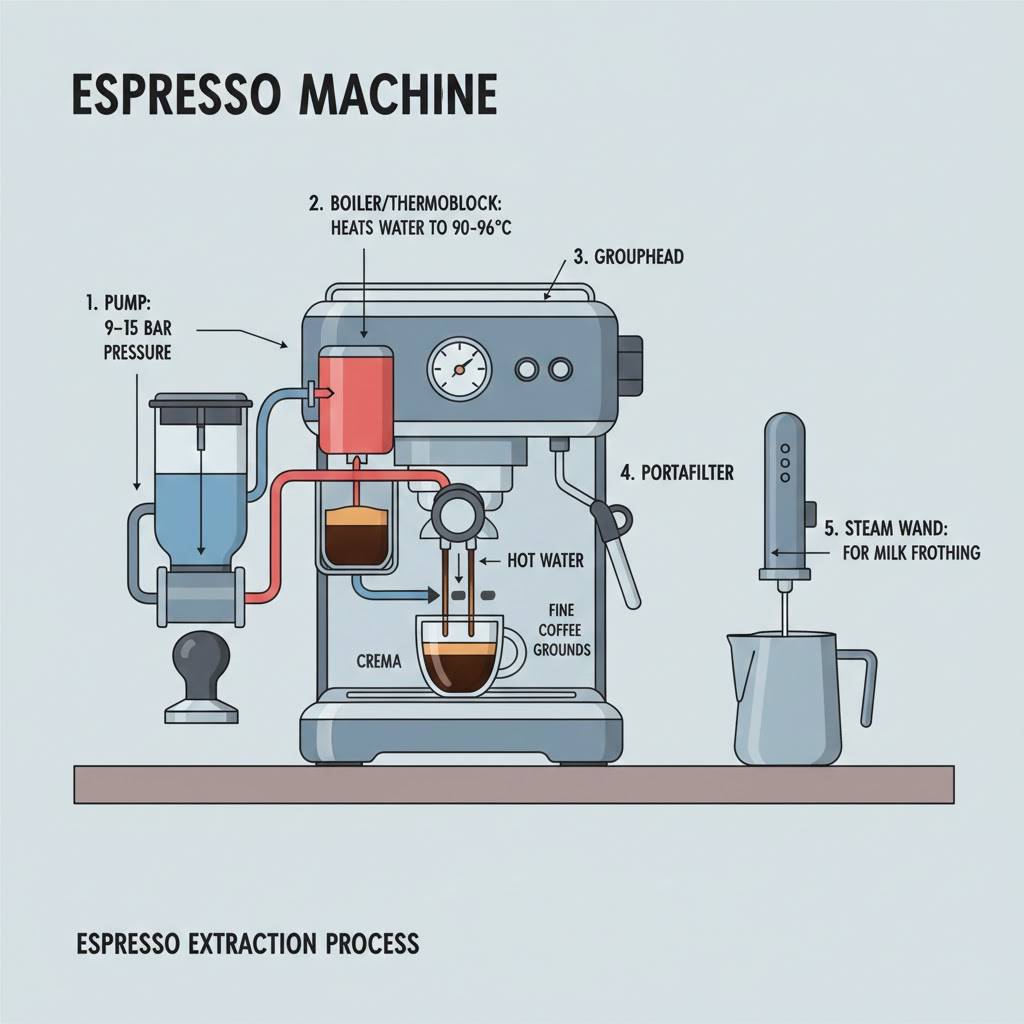
An espresso machine is a high-pressure extractor that forces hot water through a compacted puck of finely ground coffee to produce a concentrated shot. The defining mechanical difference from drip brewing is pressure, with the common reference point being extraction around 9 bar, where 1 bar is about atmospheric pressure. The output is small in volume but intense in dissolved solids and aroma, which is why espresso is a base for mug drinks like americanos and milk-based beverages.
What’s the difference between a coffee maker and an espresso machine?
There are 4 core differences that separate a drip coffee maker from an espresso machine.
- Extraction force
Drip relies on gravity, while espresso relies on pump or lever pressure, commonly around 9 bar. - Brew path and contact time
Drip spreads water across a larger bed over a longer cycle, while espresso pushes water through a compact puck quickly. - Grind requirement
Drip tolerates medium grinds, while espresso generally demands a finer, more uniform grind to avoid channeling. - Cup outcome
Drip yields a larger mug volume by default, while espresso yields a concentrated base that is often diluted or combined with milk for mug-sized drinks.
Can a coffee maker make espresso or can an espresso machine brew regular coffee?
A drip coffee maker cannot make true espresso because it does not generate espresso-level pressure, and pressure is central to espresso-style extraction. An espresso machine can produce “regular coffee” style drinks by making espresso and then adding hot water, which is the basis of an americano served in a mug. For straight espresso and americanos, the best fit is an espresso machine with stable temperature control and enough clearance for taller mugs or a removable drip tray if you use large vessels.
Are coffee and espresso combo machines worth it?
Combo machines trade footprint and convenience against internal specialization. A combined unit saves counter space and can simplify workflow for households that want both drip mugs and espresso drinks. The trade-off is that the espresso side and drip side may share compromises in heating design, pump performance, or build quality at the same price point compared with buying two dedicated units.
What types of espresso machines are there?
Espresso machines are often grouped by how much work the user does versus what the machine automates, and by how they heat and pressurize water. The categories include manual lever machines, semi-automatic pump machines, automatic machines that control shot volume, and super-automatic machines that grind, dose, tamp, and brew at the press of a button. Your choice is mainly a choice about workflow control, maintenance complexity, and how consistent you need the output to be for mug-based drinks.
What’s the difference between manual, semi-automatic, automatic, and super-automatic espresso machines?
There are 4 major categories and each changes the user’s role.
- Manual
You control pressure and flow using a lever, so technique drives results. - Semi-automatic
A pump provides pressure, while you start and stop extraction, usually by a switch or button. - Automatic
The machine controls shot volume or time automatically once you start it. - Super-automatic
The machine handles grinding, dosing, tamping, and brewing, which raises convenience but increases cleaning demands and internal complexity.
What should I look for when buying an espresso machine and how much should I spend?
There are 5 buying checkpoints that translate directly into mug results.
- Thermal stability
Stable brew temperature reduces taste swings across shots. - Build materials and repairability
Metal boilers, accessible gaskets, and available parts support longer service life. - Milk capability
If you make lattes, prioritize steam performance or a dedicated frother path. - Workflow fit
Manual control is slower but flexible, super-automatic is fast but locks you into its defaults. - Mug clearance
Check spout height and drip tray design, because tall mugs often force you to remove the tray or use a shorter cup.
What is the best espresso machine for beginners?
A beginner-friendly espresso machine is one that reduces failure points in temperature management and workflow. It should have stable heating behavior, simple controls, and a forgiving path for grind and tamp errors, such as a pressurized basket option for early use. If milk drinks are the main target, a reliable steam wand or a bundled milk frother matters more than advanced manual features.
What size espresso machine fits best on a small countertop?
The best countertop fit is a machine that leaves clearance to refill the water tank and still allows your tallest mug to sit under the spout. Small counters also reward machines with front-access reservoirs and removable drip trays. Measuring the footprint is not enough, because the real constraint is often vertical access and mug height under the brew head.
What internal parts control the brewing and heating performance?
Machine performance comes from the internal chain that stores water, heats it, controls temperature, and moves it through the brew chamber. The main “guts” include the heating element, thermostat or PID control logic, water tank or plumbing inlet, pump for espresso machines, and the control panel that sets the brew cycle. When one link is unstable, the mug result becomes inconsistent, especially in temperature and strength.
What is a heating element and a thermostat?
A heating element is the powered component that raises water temperature, and a thermostat is the sensor-driven switch that regulates that heat. In a drip machine, this is usually tied to the reservoir heating path and hot-plate behavior. In espresso machines, heating design is more demanding because water temperature and pressure-driven extraction interact directly during a short shot.
What is PID temperature control and do I need it?
PID temperature control is a feedback algorithm that adjusts heating to keep brew water closer to a target temperature throughout extraction. A peer-reviewed espresso study on brewing temperature reports that a maximum brewing temperature of 92°C has been suggested because higher temperatures extract more bitter and astringent compounds and can impair sensory quality. (PMC) If you care about repeatable espresso that will later be diluted into americanos or combined with milk in a mug, tighter temperature control supports consistency from shot to shot.
What’s the difference between thermoblock, single boiler, heat exchanger, and dual boiler machines?
There are 4 common heating architectures and each changes speed, stability, and milk workflow.
- Thermoblock
Heats water on demand in a metal block, often compact and quick, but stability varies by design. - Single boiler
Uses one boiler for brewing and steaming, which can force waiting between espresso and milk. - Heat exchanger
Uses a steam boiler with a heat-exchange tube to heat brew water, designed for faster switching. - Dual boiler
Separates brew and steam boilers, supporting simultaneous brewing and steaming and more stable temperature control for frequent milk drinks.
Why does espresso need pressure and what is a pump?
Espresso needs pressure to push water through a compacted puck quickly enough to produce a concentrated extraction. The pump is the component that generates and maintains that force during the brew cycle. In most home machines this is a vibration or rotary pump design, and the pump’s stability affects flow, shot timing, and how forgiving the machine is with grind and tamp variation.
What does “9 bar pressure” mean and how many bars do I actually need?
“9 bar” means the machine is operating at about nine times atmospheric pressure, and 1 bar is approximately sea-level atmospheric pressure, around 14.5 psi or 100 kPa. Espresso machines are often built to target this region because it is the widely used reference point for espresso-style extraction, while the exact pressure at the puck depends on the machine design and resistance of the coffee bed.
What is a pressure gauge and what does it measure?
A pressure gauge displays the pressure in the brewing system during extraction. It gives real-time feedback that helps diagnose grind and tamp problems, because pressure spikes or drops often track puck resistance and flow restriction. In practice, it acts as a quick visual check during the brew cycle rather than a direct “quality meter.”
What is a brewing chamber and what happens during a brew cycle?
A brewing chamber is the physical space where hot water meets coffee grounds, and a brew cycle is the full sequence of heating, delivery, contact, and exit into the cup. In drip machines, this includes heating in the base, showering water over the basket, and draining through a filter. In espresso machines, it includes heating, pre-wetting or pre-infusion if enabled, pressurized extraction through the puck, and discharge through the spout into a cup or mug.
What is pre-infusion and does it matter?
Pre-infusion is the low-pressure wetting phase that saturates the puck before full-pressure extraction begins. One detailed explanation describes “ideal” espresso pre-infusion as occurring at very low pressure with a low flow rate of about 2–3 ml/second before pressure rises. The practical benefit is more even wetting, which supports more uniform extraction when the full-pressure phase starts.
What accessories and interface tools are required for the machine?
Home espresso is not only a machine purchase, because the operator needs tools that connect hands to hardware. The core interface tools manage dosing, tamping, locking into the brew head, and cleanup. A complete setup often includes a portafilter system, baskets, tamper, knock box, and for many kitchens a pod machine or capsule system as a fast alternative for single mugs.
What is a portafilter and what does it hold?
A portafilter is the handled brew device that locks into the espresso machine and holds the coffee basket during extraction. It positions the puck under the group head so hot pressurized water can pass through the grounds. Its size and basket type determine dose range and how forgiving extraction is.
What is a pressurized portafilter vs. a non-pressurized basket?
A pressurized basket adds artificial resistance through a restricted outlet, which can mask grind inconsistencies and help beginners get a more stable-looking pour. A non-pressurized basket relies on the puck itself to create resistance, which rewards a good grinder and correct technique. The choice is mainly about learning curve and how much control you want over shot dialing.
What is a bottomless portafilter and what does it help with?
A bottomless portafilter removes the spouted base so extraction is visible as it exits the basket. It helps diagnose channeling and uneven puck preparation because flaws show up immediately in the flow pattern. It is mainly a feedback tool rather than a performance upgrade on its own.
What is an espresso tamper and why is tamping needed?
An espresso tamper compresses the grounds into a stable puck so water meets even resistance across the coffee bed. Tamping is needed to reduce voids and support uniform flow, because uneven density promotes channeling. Tamper sizing matters because it should match the basket diameter closely to avoid leaving loose grounds around the edges.
What is a knock box and do I need one?
A knock box is a container with a bar that lets you strike the portafilter to remove the spent puck quickly. You need one if you pull multiple shots, because it speeds cleanup and keeps wet grounds out of sinks and bins. It also protects the portafilter basket because you are not prying out pucks with sharp tools.
What is a pod coffee machine and is Nespresso the same as espresso?
A pod coffee machine is a single-serve brewer that uses sealed capsules or pods and a preset extraction cycle to deliver one cup quickly. Nespresso-style systems are designed for convenience, but the cup outcome is not the same as traditional espresso pulled on a grinder-based espresso machine, mainly because capsule systems constrain dose, grind freshness, and puck prep options. Consumer reliability and ownership patterns also show how mainstream single-serve brewing is, with Consumer Reports reporting surveys of more than 51,000 members to estimate reliability and satisfaction across coffee makers.
What is a coffee pod/capsule and what is a capsule holder?
A coffee pod or capsule is a sealed consumable that contains a pre-measured portion of coffee designed for a compatible brewer. A capsule holder is the storage accessory that organizes capsules for quick loading and reduces clutter near the machine. A coffee pod recycler is the collection path for used capsules so the aluminum and coffee residue can be processed in a structured way.
What milk-and-foam appliances are used for café-style mug drinks?
Milk systems turn espresso into full mug drinks like lattes and cappuccinos by adding volume, sweetness, and texture. The main categories are steam-based systems built into espresso machines, and standalone mechanical frothers designed for foam production. Choosing between them is mostly a decision about control, cleanup, and how many milk drinks you make per day.
What is a steam wand and how important is it for lattes?
A steam wand is the steam nozzle that injects hot steam into milk to heat and texture it. It is important for lattes because it can create microfoam that integrates into the drink, not only a dry foam cap. Steam power and wand control also affect how fast you can produce milk for a large mug without overheating it.
What’s the difference between a steam wand and an automatic milk frother?
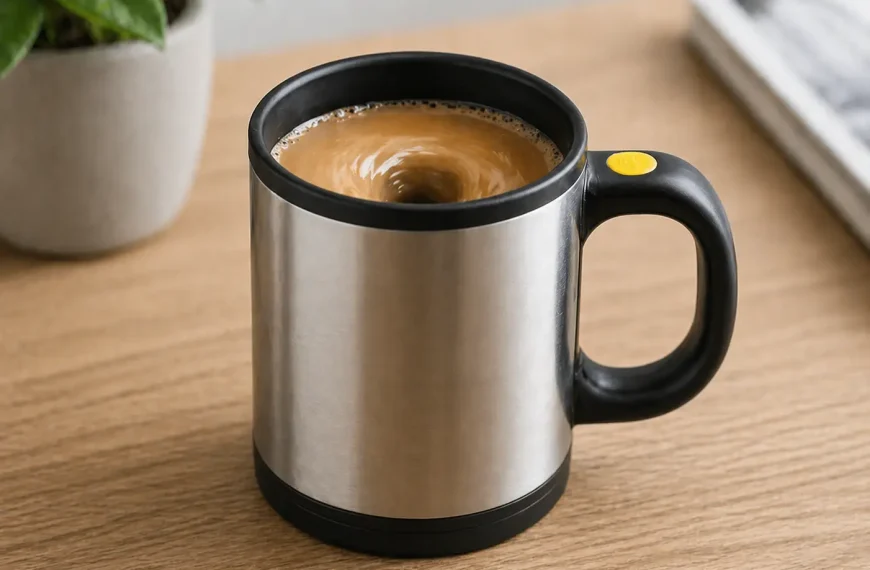
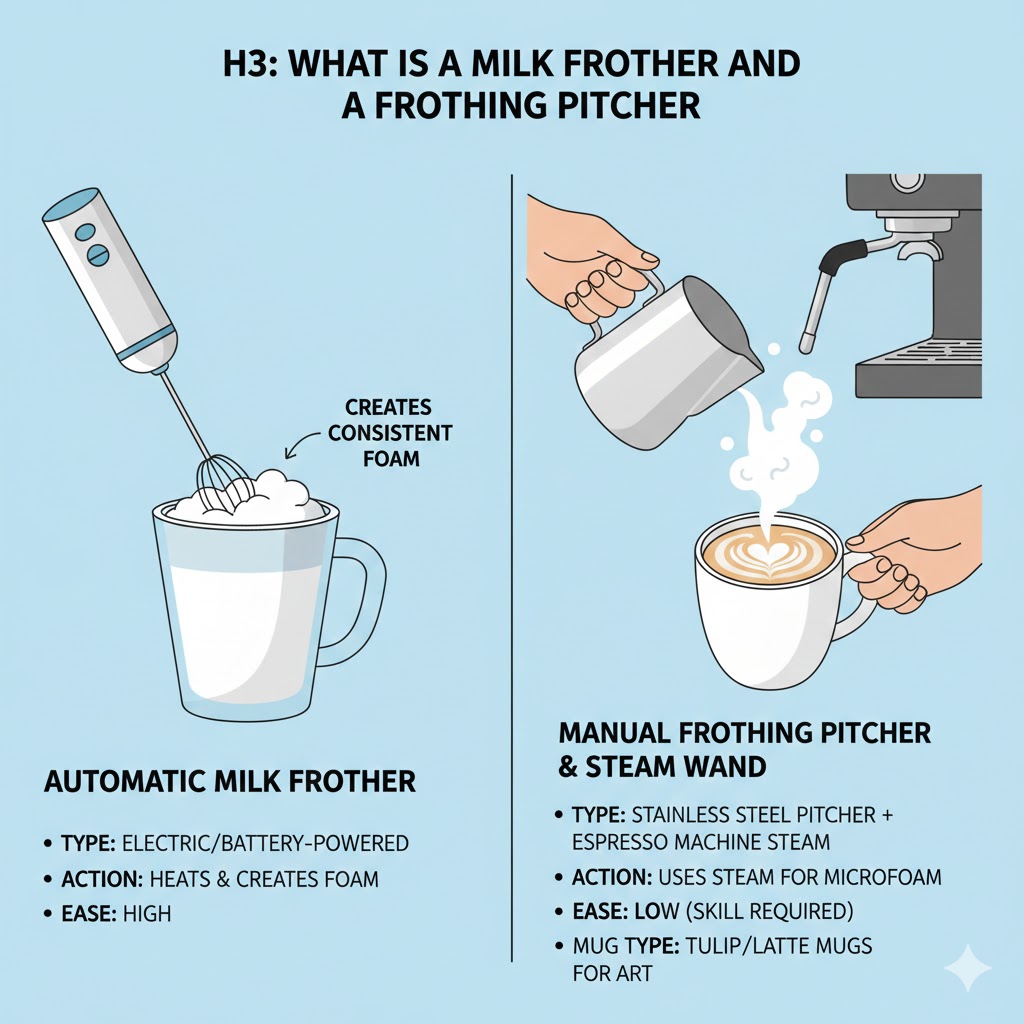
A steam wand is integrated into the espresso machine and uses pressurized steam, giving more control over texture and temperature. An automatic milk frother is a separate appliance that heats and froths with a built-in whisk or magnetic stir system, prioritizing consistency and convenience. The trade is control versus simplicity, plus different cleanup routines.
What is a milk frother and a frothing pitcher?
A milk frother is the appliance or attachment that foams milk by introducing air and agitation, sometimes with heat. A frothing pitcher is the metal jug used to hold milk during steaming, and its shape matters because the spout and body geometry support controlled pouring for latte art. For home setups, the main goal is repeatable texture that fits the mug size you serve in.
What is the best machine for lattes and milk drinks at home?
There are 3 common machine paths that work well for milk drinks.
- Semi-automatic espresso machine with steam wand
Best if you want control over espresso and milk texture. - Super-automatic espresso machine with integrated milk system
Best if you want one-button milk drinks with consistent output. - Espresso machine plus standalone milk frother
Best if you want simpler cleanup or if the machine’s steam performance is limited.
What grinder types are used for better coffee brewing?
A coffee grinder is the mechanical tool that reduces roasted beans into a target particle size so extraction happens predictably. Grind size controls flow and contact area, which directly affects strength and flavor balance in the mug. For espresso, grinding consistency becomes more critical because small changes in particle size can change resistance and shot timing.
Do I need a grinder for an espresso machine?
A grinder is effectively required if you want consistent espresso from a traditional basket-based machine, because espresso depends on fine, uniform particles to create stable resistance. Pod machines bundle the grind inside the capsule, but that locks you into factory grind and dose decisions. If the goal is repeatable americanos and milk drinks in a mug, the grinder is the piece that stabilizes the shot base.
Is a built-in grinder better than a separate grinder?
A built-in grinder reduces counter clutter and speeds workflow, which can matter in small kitchens. A separate grinder is easier to replace or upgrade without replacing the espresso machine, and it can reduce maintenance coupling when one part fails. The practical choice depends on whether you want an all-in-one appliance or a modular setup.
What is a burr grinder vs. a blade grinder?
A burr grinder uses two burr surfaces to produce a more uniform grind, supporting repeatable extraction and steadier flow. A blade grinder chops beans with spinning blades, producing a wider particle spread that makes extraction less consistent. For espresso and pour-over, burr grinding is the standard mechanical match because uniformity supports predictable brewing.
What is a bean hopper and what does it feed?
A bean hopper is the storage container on a grinder that holds whole beans and feeds them into the grinding chamber. It supports workflow speed because beans are ready for dosing without opening bags each time. Hopper design also affects freshness practices because larger hoppers encourage leaving beans exposed longer.
What manual brewers can you use instead of machines?
Manual brewers are non-electric tools that rely on gravity, immersion, or stovetop heat to produce coffee for a mug, typically by brewing directly into a mug or pouring into one after extraction. They often cost less and have fewer failure points, but they shift consistency control onto the user. This part of the preparation ecosystem covers immersion hardware, gravity drippers, vacuum tools, and stovetop pressure-adjacent pots.
What is a French press and how does immersion brewing work?
A French press is a manual immersion brewer with a plunger and mesh filter that separates grounds from brewed coffee after steeping. Immersion brewing works by holding water and grounds together for a set time so extraction happens through contact rather than through continuous flow. It is the baseline “manual hardware” model because the process is mechanically simple: steep, press, pour into a mug.
What is a pour-over dripper and how does it use gravity?
A pour-over dripper is a cone or flat-bottom brewer that holds a paper or metal filter and coffee grounds. Gravity does the work by pulling water through the bed and filter into a mug placed below the brewer, while the user controls pour rate and pattern. It is popular because it can scale from one mug to small batches with minimal equipment.
What is a siphon brewer and a percolator?
A siphon brewer uses vacuum pressure changes to move water between chambers and brew coffee with a distinctive workflow. A percolator cycles boiling water up through a tube and repeatedly passes it through grounds, producing a strong cup with a classic profile. Both are mechanical, stovetop-friendly options that sit outside standard drip and espresso machines.
What is a moka pot and how does it make stovetop espresso?
A moka pot is a stovetop espresso maker that uses steam pressure from boiling water to push water through grounds into an upper chamber. The result is a concentrated coffee often used as a base for milk drinks in a mug, even though it is not the same as pump-driven espresso. It is common in homes because it needs only a stove, water, and ground coffee.
What is a Turkish coffee pot?
A Turkish coffee pot is a small pot used to simmer very fine coffee grounds directly in water, usually with foam formation at the top. The brewing method is closer to simmering and suspension than filtration, so the final cup contains fine sediment. It is a traditional, low-tech tool that produces a distinct texture and strength profile.
What appliances are used mainly for hot water and specialty tea?
Hot water appliances are water-heating systems designed to deliver boiling or near-boiling water quickly, independent of coffee extraction hardware. They support tea, instant drinks, and coffee methods that need controlled pouring, such as pour-over, where hot water is poured directly into a mug for preparation. A 2025 study found that changing cup rim temperature by ±2°C relative to the beverage shifted sensory outcomes, with cooling by 2°C increasing perceived coldness and significantly increasing perceived deliciousness and comfort in their test, which makes water temperature management and preheating practices directly relevant to mug-based drinks. (ScienceDirect)
What is an electric kettle vs. a water boiler?
An electric kettle is an appliance that heats a batch of water quickly and then switches off, while a water boiler is designed for repeated dispensing, often holding water hot over time. Kettles suit pour-over and manual brewing because they let you heat only what you need and pour it directly into a mug. Boilers suit repeated mug refills in homes or shared kitchens because the water is kept hot and ready.
What is a hot water dispenser and how does on-demand heating work?
A hot water dispenser is an appliance that delivers hot water on demand through a spout, often from a holding tank or rapid heating element. On-demand systems focus on speed and convenience for tea and instant drinks prepared directly in a mug. The practical value is fewer kettle cycles when multiple people need mugs of hot water across the day.
What is an automated tea maker or chai maker?
An automated tea maker controls steeping time and water delivery to reduce manual steps, and a chai maker often includes simmering or heating behavior suited to spiced milk tea. These appliances are built around infusion and temperature control rather than coffee extraction pressure. They fit the mug beverage ecosystem because tea and chai are common mug drinks in the same kitchen station.
How do you maintain these appliances to prevent leaks and noises?
Maintenance is the difference between a machine that stays stable and one that leaks, screams, or drifts in output. The core problems are mineral scale, coffee oils, milk residue, and worn seals. A solid routine is built from cleaning, descaling, and water quality control, with replacement of consumable parts when they start to fail.
How often should I clean and descale my coffee or espresso machine?
Cleaning removes coffee oils and residue from accessible parts, while descaling removes mineral buildup from internal water paths. Nespresso recommends descaling every 3 months or after about 300 capsules, and it also recommends a weekly cleaning cycle. A simple baseline for other machines is to match descaling frequency to water hardness and usage volume, because hardness drives scale and scale drives heat and flow problems.
What is a descaler and can I use vinegar?
A descaler is the chemical solution designed to dissolve mineral buildup inside boilers, thermoblocks, and tubing. For capsule systems, Nespresso explicitly recommends using its descaling approach and schedule rather than improvised acids, because the process is tied to machine materials and seals. If a manufacturer provides a descaling solution and cycle, following that instruction is the most defensible maintenance choice.
How do I backflush an espresso machine or clean a steam wand?
Backflushing is the cleaning cycle that pushes water, and sometimes detergent, backward through the group head path to remove coffee residue. Steam wands need immediate wipe and purge after each use to prevent baked-on milk film, because milk residue is both a hygiene and performance issue. The practical rule is to treat milk systems as “clean now” parts, not “clean later” parts, because dried milk is harder to remove and can block steam holes.
How do water softeners and filters improve machine health?
Water treatment protects both taste and hardware because minerals influence extraction and also create scale. The Specialty Coffee Association notes typical US tap water values around 150 ppm CaCO3 alkalinity and 170 ppm CaCO3 total hardness, which is enough mineral content to drive meaningful buffering and scale behavior over time. Filters reduce off-tastes like chlorine and can reduce particulate load, while softeners directly reduce hardness that forms scale.
Do I need filtered water and what water hardness is best?
Filtered water is a practical default because it removes common taste defects and reduces variability between batches. For hardness, the key point is that “too hard” accelerates scale and “too soft” can flatten extraction, so matching your water to a stable mid-range profile is better than guessing. The SCA’s discussion of alkalinity and hardness highlights why water chemistry changes both flavor balance and equipment stress, even before you touch grind size or brew ratio.
Why is my espresso machine leaking water or making loud noises?
There are 5 common hardware causes that explain most leaks and loud noises.
- Worn gaskets or seals
Group head seals, tank seals, and steam wand O-rings degrade and then leak under pressure. - Scale buildup
Mineral deposits restrict flow, force pumps to work harder, and can create vibration and noise. - Loose fittings
Vibration over time can loosen internal clamps or external connections. - Cracked reservoir or hoses
Plastic tanks and tubing can fatigue, especially with heat cycles. - Pump strain or air ingestion
Low water level or blocked intake can make pumps cavitate or rattle.
How do I know when it’s time to replace my coffee machine parts?
Replace parts when performance symptoms track to a consumable component rather than a one-time clog. Common triggers include persistent leaking after cleaning, unstable pressure behavior, repeated temperature drift, and degraded brew flow that returns quickly after descaling. The best starting point is the parts that wear fastest, like seals, baskets, and steam tip components, because replacing them is cheaper than replacing the machine.
How do you choose the right appliance for your favorite drinking mugs?
Mug choice changes the practical “fit” of a machine, because spout height, drip tray design, and clearance decide whether your mug can physically sit under the outlet. Cup geometry also changes sensory perception even when the coffee liquid is unchanged: in a large-sample peer-reviewed study, cup shape influenced ratings of aroma, sweetness, acidity, and hedonic judgement for specialty coffee. For daily use, that means the preparation station is a combined system: machine output, mug shape, and the way aroma escapes from the cup all interact every time you drink.
How do mug design factors change flavour perception even when the appliance output is identical?
Mug design changes how aroma concentrates, how the liquid cools, and what reaches your nose while sipping, even when the appliance produces the same brew. The measurable differences show up in controlled sensory ratings, which is why cup choice is not only aesthetic. The practical takeaway is simple: if you care about taste consistency, treat the mug as part of the brewing system, not just a container.
How does cup shape (opening diameter and headspace) shift aroma, sweetness, acidity, and liking for coffee?
Cup shape changes perceived aroma and taste attributes because it changes headspace and how volatiles reach the nose while drinking. In the Carvalho and Spence study on specialty coffee, cup shape significantly affected ratings including aroma, sweetness, and acidity across both amateurs and experts. A wider opening and different internal geometry can change where aromas concentrate, which is why the same espresso-based mug drink can feel different across cups.
How do rim temperature and rim material or softness alter perceived temperature and flavour while drinking?
Small rim temperature differences can shift comfort and perceived flavour cues at the moment of contact. A 2025 study tested ±2°C rim temperature variation relative to beverage temperature and found that cooling the rim by 2°C increased perceived coldness and significantly increased perceived deliciousness and comfort in their evaluation. For hot mug drinks, this is the mechanical reason preheating a mug, or choosing a material with different thermal behavior, can change perceived temperature and mouthfeel.
How do travel-mug lids and restricted aroma release change what you taste compared with an open mug?
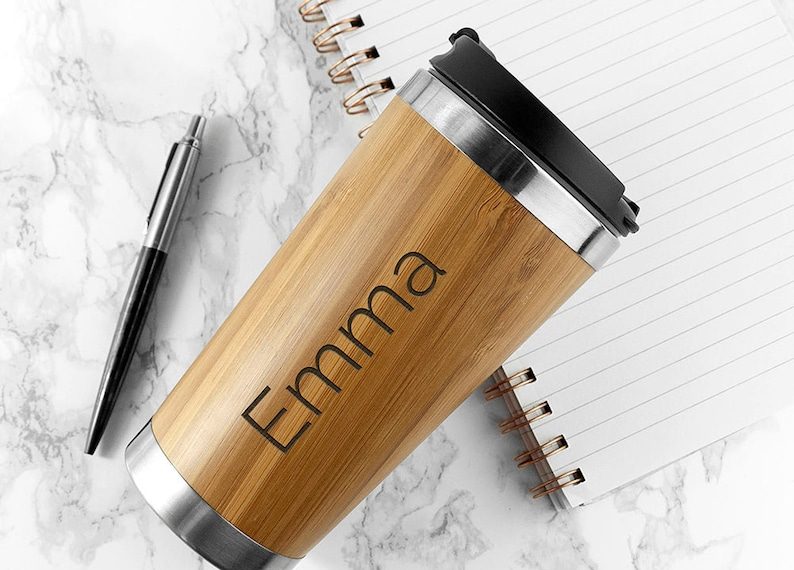
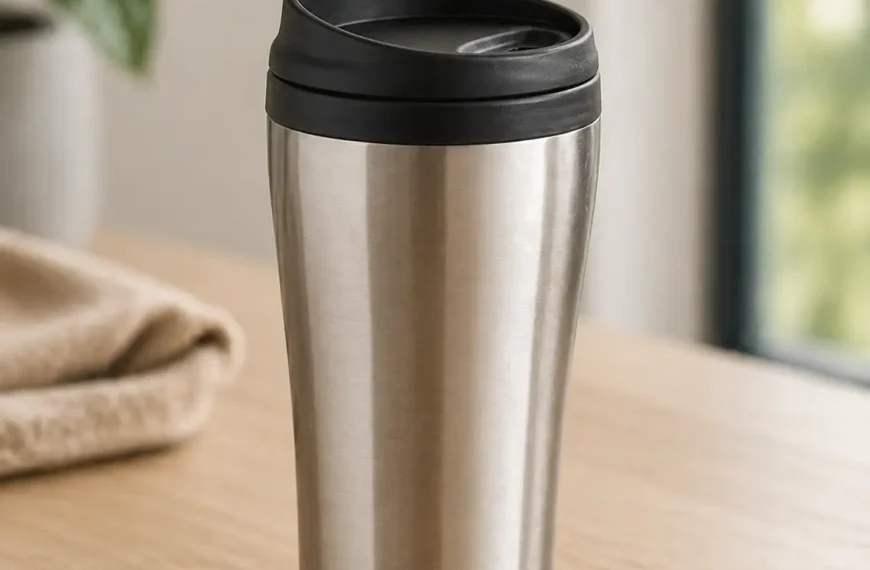
A lidded travel mug restricts aroma release, and aroma is a large part of what people experience as “flavor” while drinking coffee. When the lid blocks aroma pathways, the drink can taste flatter even at the same strength, because less volatile aroma reaches the nose during sipping. This is why some machines taste “better” in an open ceramic mug than in a sealed travel mug, even when the brew is identical.
A clean machine, the right mug, and fewer surprises
The most reliable mug beverages come from a stable heat and water path, consistent extraction hardware, and a mug that physically fits under the machine and supports aroma release. Keep temperature and water quality under control, then match the device to your drink style: drip for volume, espresso for concentrated bases, and dedicated milk tools for café-style mugs. Use maintenance schedules that are actually published for your machine class, like Nespresso’s 3 months or 300 capsules descaling trigger, because scale and residue show up first as leaks, noise, and drifting taste in your drinking vessel.